
Getting a pimple right before a big event is annoying, but it doesn’t happen all the time. The moment that stands out is different. This is the third breakout in the same spot this quarter. The bumps on your forehead won’t go away, and the shine comes back before lunch. If your skin does the same thing over and over, you might want to take a closer look at your routine and targeted acne care. That results in an anti acne serum for some people and a dermatologist for others. This guide helps you figure out which skin signs are important and which ones are just skin being skin.
First, a Note on Reading Your Own Skin
Skin has a feel to it. Pores that can be seen on the nose, the odd spot, and some oiliness during Pakistan’s hot summers are all normal and don’t need to be fixed. Dermatology groups like the American Academy of Dermatology say that acne is a common skin problem that is caused by clogged pores, too much oil, germs, and swelling. It can be anywhere from a few pimples to deep, painful bumps.
We won’t try to help you figure out what’s wrong with you by looking at you in the mirror. These signs should only be used to remind you to check your skin, not to judge it.
The Nine Signs
1. The Same Area Keeps Breaking Out
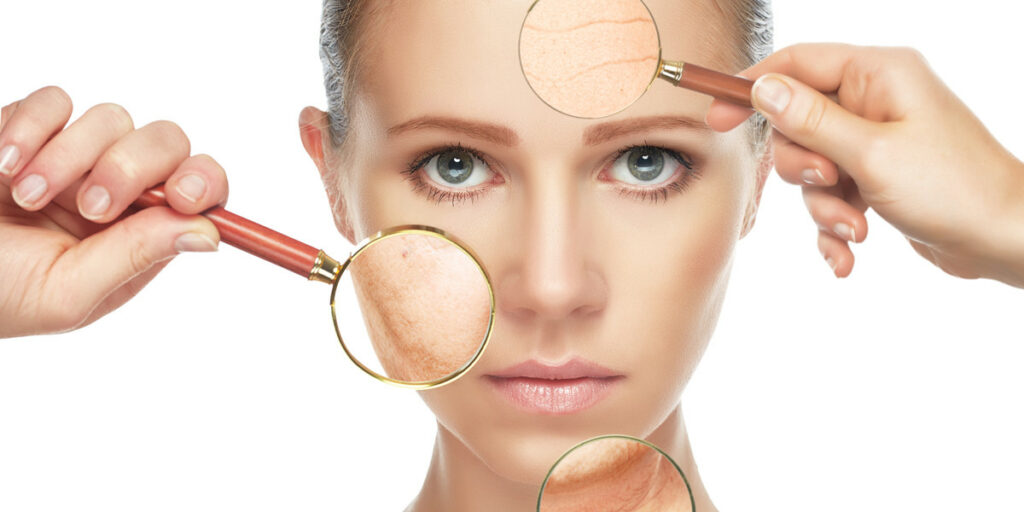
Image is credit by Yandex
One stray pimple usually means something short-term. If you get spots on the same chin or cheek over and over, it means that your pores are getting clogged up again and again. Write down a simple note and leave it on your phone for two or three weeks before you make any changes. It tells you more than words can.
2. The breaks are planned on a calendar
Some people have flare-ups before their period, during exam time, or after not getting enough sleep for a few nights. Changes in hormones and stress have both been linked to acne in dermatology literature. Because the pattern is always the same, the trigger may be below the surface. This means that a product by itself might not be the whole answer.
3. Little bumps that don’t get bigger
Comedones that look like skin-colored bumps on the forehead or chin and feel rough but aren’t red are usually closed comedones. These are pores that are clogged with dead skin cells and oil, and they stay there for a long time. For this pattern, ingredients that gently exfoliate are often talked about. One of them is not scrubbing harder, because friction can make acne-prone skin worse without getting rid of the acne.
4. Blackheads that come back in a few days
A blackhead is an open pore that is clogged up. The dark color is caused by oil that has been oxidized, not dirt. You shouldn’t squeeze your nose if the blackheads come back quickly after you clear them. It might leave marks and make the pores bigger. It’s usually smarter to use a pore-focused ingredient over time instead of extracting them at home.
5. Shine That Comes Back Within Hours
Oily skin is a type of skin, not a flaw. When the oil comes along with congestion or breakouts, it becomes important. When you wash your face too much, your skin can feel tight and still look shiny. Take note of whether the shine and the breakouts show up in the same areas. This is your helpful hint.
6. Red, Tender Bumps Appear Alongside Clogged Pores
Pimples that are swollen and hurting are a sign of inflammation. If you have red spots and whiteheads or blackheads next to each other, your skin is having more than one problem. Because of this, different types of breakouts usually react to different methods. This is why one product doesn’t cover everything. It also tells you why copying a friend’s routine might not work out as planned.
7. Dark Spots Last Longer Than Pimples
If you have darker skin, a brown or red mark may stay on top of a swollen spot for weeks or months after it heals. This color change is not a scar; it’s caused by inflammation. Using sunscreen every day is important because the sun can make these marks darker. In real life, the goal is to calm acne early on so that fewer spots get red in the first place.
8. A Reasonable Routine Is Not Changing Much
Say you always use a gentle cleanser, a moisturizer, and sunscreen, but after a few weeks, your skin hasn’t changed much. The information you gave is helpful. It’s not fair to judge an acne product after only a few days of use. An anti acne serum is one option if your procedure has stopped working. You should only add one so you can tell what is making your skin worse or better.
9. Pain, big bumps, or scars
You should see a dermatologist or qualified doctor if you have deep, painful nodules, lumps that last for weeks, scars that look like they might form, or acne that makes you feel bad about your self-esteem or mood. Scars that can’t be fixed with serum can be avoided with prescription treatment. Getting help early is not an overreaction; it is a smart move.
Where an Anti Acne Serum Fits In
A serum is a light, concentrated formula that you put on your face after cleansing but before moisturizer. One or two active ingredients, which vary greatly from product to product, make up an anti acne serum.
Salicylic acid breaks down in oil and is used to get rid of gunk in pores. This is why it shows up when you have blackheads or closed comedones. Niacinamide is often added to help the skin’s barrier and reduce redness and oiliness, but the effects are different for each person. Azelaic acid is used to get rid of spots and marks that won’t go away. Each is good for a different issue, but none of them are good for everyone. What works for oily, clogged skin might irritate skin that is dry or sensitive.
Also, keep your expectations in check. A serum is a step in your skin care routine, not a cure. It can’t promise clear skin or a set amount of time. Most of the time, serums work better for small problems. People with moderate to severe inflammatory acne generally need to see a doctor.
Choosing and Using an Anti Acne Serum Safely
Instead of picking the product with the longest list of ingredients, start by picking one that fits your main concern. For each formula, read the label to find the active ingredient and follow the steps on it. These can vary in terms of strength and how to use them.
When using an anti acne serum for the first time, test it out for a few days on a small area of skin, like the jawline. Then start slowly, maybe once every other night, and only add more if your skin stays comfortable. Bring out one new item at a time. When you layer activities like cleaning acids, retinoids, and benzoyl peroxide on top of each other, your skin’s barrier gets weaker, and it turns red.
Don’t change anything else in your routine. It’s enough to use a gentle cleanser, a light moisturizer, and sunscreen during the day. Because some active ingredients make skin more sensitive to the sun, you have to use sunscreen. If you feel burning, swollen, or have a rash, stop using the medication and talk to a doctor. Ask your doctor before using any anti acne serum if you are pregnant, nursing, or already taking prescription acne medication.
Last Words
Breakouts that happen over and over are information, not failure. Keeping track of where, when, and how your skin reacts can help you pick care that works for you instead of buying what’s popular at the moment. An anti acne serum that is carefully chosen and applied slowly can be a good first step for mild but persistent problems. If your acne is painful, deep, or leaves scars, you should see a doctor right away. Stick to a simple routine, give products a fair chance, and be patient as you make progress.
Recommend0 recommendationsPublished in Makeup, Skin Care