
In a competitive fashion market where customers expect quality, variety, and fast-changing trends, retailers must constantly find ways to maximize their profit margins. One of the most effective strategies is partnering with wholesalers who offer competitive pricing without compromising product quality. By purchasing affordable wholesale dresses and other wholesale apparel categories in bulk, retailers can significantly reduce costs, boost revenue, and create a sustainable business model that performs well across seasons. Wholesale pricing not only supports financial growth but also helps boutiques maintain a strong inventory flow that keeps customers coming back.

Photo credit Wholesale Dress Outlet
Wholesale Pricing Reduces Upfront Inventory Costs
One of the biggest advantages of wholesale pricing is the immediate reduction in inventory expenses. When retailers buy directly from wholesalers, they gain access to bulk rates that are far lower than traditional retail costs. These wholesale prices allow boutiques and e-commerce stores to purchase larger quantities of trending styles without straining their budget. Instead of spending excessively on small runs or high-cost suppliers, retailers can invest in ready-made collections that provide excellent value. This cost reduction helps store owners start with a healthier cash flow and reduces the financial barriers typically associated with the fashion industry.

Photo credit Wholesale Dress Outlet
Affordable Wholesale Dresses Improve Profit Margins Immediately
Profit margins are directly related to the difference between purchase costs and selling prices. When retailers source affordable wholesale dresses, the price gap widens, allowing businesses to mark up items significantly while remaining competitive in the market. This means retailers can achieve margins of 2x, 3x, or even 5x, depending on the dress category. High-performing segments such as evening wear, party dresses, and boutique-style casual dresses often provide the strongest returns. By leveraging wholesale pricing, retailers can maintain lower costs, higher margins, and a more predictable income structure.
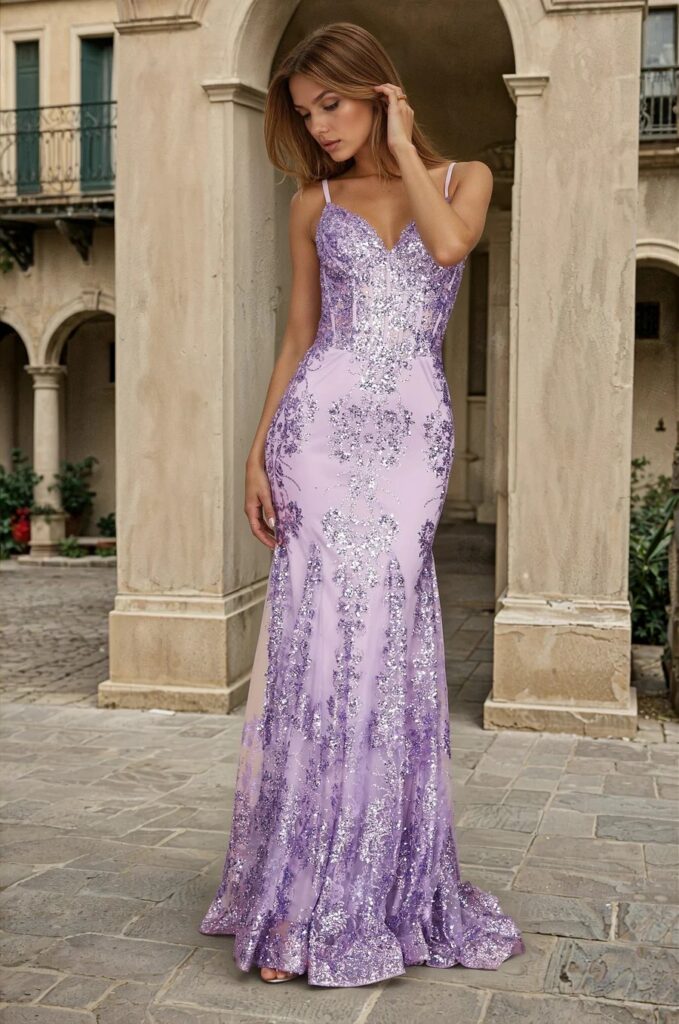
Photo credit Wholesale Dress Outlet
Bulk Buying Ensures Better Negotiation Power
Purchasing in bulk gives retailers the ability to negotiate even better pricing and special terms with wholesalers. Most suppliers offer tier-based pricing where the cost per item decreases as the quantity increases. This not only boosts profit margins but also allows retailers to plan seasonal buying more strategically. Retailers who develop long-term relationships with trusted wholesalers often receive additional benefits such as early access to new collections, exclusive discounts, or priority restocking options. These advantages further increase profitability and simplify inventory planning throughout the year.

Photo credit Wholesale Dress Outlet
Wholesale Pricing Supports Larger Inventory Variety
A diverse inventory is one of the biggest keys to retail success. Customers want to see multiple colors, silhouettes, and styles when they shop, whether online or in-store. Wholesale pricing makes it easier for retailers to stock a wider range of dresses without spending too much on each item. When retailers purchase affordable wholesale dresses, they gain access to multiple categories—casual wear, formal dresses, partywear, plus-size fashion, and seasonal collections—at a fraction of the cost. This variety helps stores attract more customers, increases the chances of repeat purchases, and strengthens the brand’s market position.
Lower Costs Reduce the Risk of Unsold Inventory
Unsold inventory is one of the biggest threats to retail profitability. Wholesale pricing minimizes this risk because each dress is purchased at a lower cost, which reduces the impact if an item sells slowly. Retailers can offer discounts, bundle deals, or clearance sales without sacrificing their profit margin. Since the initial purchase price is affordable, businesses have greater flexibility to move inventory creatively. This advantage is especially valuable during slow seasons or when fashion trends shift faster than expected.

Photo credit Wholesale Dress Outlet
Wholesale Suppliers Offer Consistent Quality at Lower Prices
Many retailers assume that lower prices mean lower quality, but wholesale suppliers follow structured production processes to maintain consistency. Reliable wholesalers use large-scale manufacturing, which reduces cost per unit while ensuring consistent stitching, fabric quality, and sizing. When retailers purchase affordable wholesale dresses from trusted suppliers, they benefit from products that look premium but cost significantly less than boutique manufacturing. This combination of quality and affordability helps retailers maintain customer trust and improve long-term repeat sales.
Better Cash Flow Allows Retailers to Scale Faster
Strong cash flow is essential for growth, and wholesale pricing supports this by lowering the financial burden of restocking. When retailers spend less on inventory, they have more capital available for marketing, e-commerce upgrades, customer service improvements, and expansion strategies. With more flexible cash flow, retailers can test new trends, experiment with new categories, and scale their production more confidently. Wholesale purchasing provides the financial stability needed to grow a fashion business at a steady pace.
Seasonal Buying Becomes More Efficient and Profitable
Fashion seasons change quickly, and retailers must refresh their collections regularly to attract customers. Wholesale pricing makes seasonal buying more manageable because retailers can purchase new arrivals without overspending. Affordable seasonal collections—such as summer dresses, winter partywear, or festive formal gowns—allow retailers to update their catalog at a lower cost. This results in stronger sales cycles and higher seasonal profits since each new arrival is purchased at an advantageous wholesale rate.
Competitive Retail Pricing Increases Customer Attraction and Loyalty
Affordable wholesale dresses help retailers stay competitive in a crowded market. When businesses purchase garments at lower rates, they can offer appealing retail prices that attract price-sensitive customers. Competitive pricing encourages more frequent shopping, higher cart values, and stronger customer loyalty. Retailers can run promotions, offer bundle deals, or introduce value-based collections without losing profitability. This balance between competitive pricing and high margins is one of the biggest strengths of the wholesale model.
Wholesale Pricing Helps Build Long-Term Retail Success
Retailers who consistently leverage wholesale pricing have a tremendous advantage in the long run. They enjoy higher profit margins, more stable cash flow, and greater flexibility in inventory management. With a reliable supply of affordable wholesale dresses, boutiques and online stores can respond quickly to market demands, maintain strong stock levels, and grow their brand steadily. The wholesale model supports long-term sustainability and provides an ideal foundation for retailers who want to scale confidently in a competitive industry.
Conclusion
Wholesale pricing is one of the most powerful tools retailers can use to maximize profit margins and build a successful fashion business. By sourcing affordable wholesale dresses, retailers reduce costs, increase revenue, and expand their product offerings with ease. The wholesale model strengthens cash flow, improves inventory management, and gives retailers the competitive advantage needed to thrive in today’s fast-paced fashion market.
Recommended1 recommendationPublished in Uncategorized