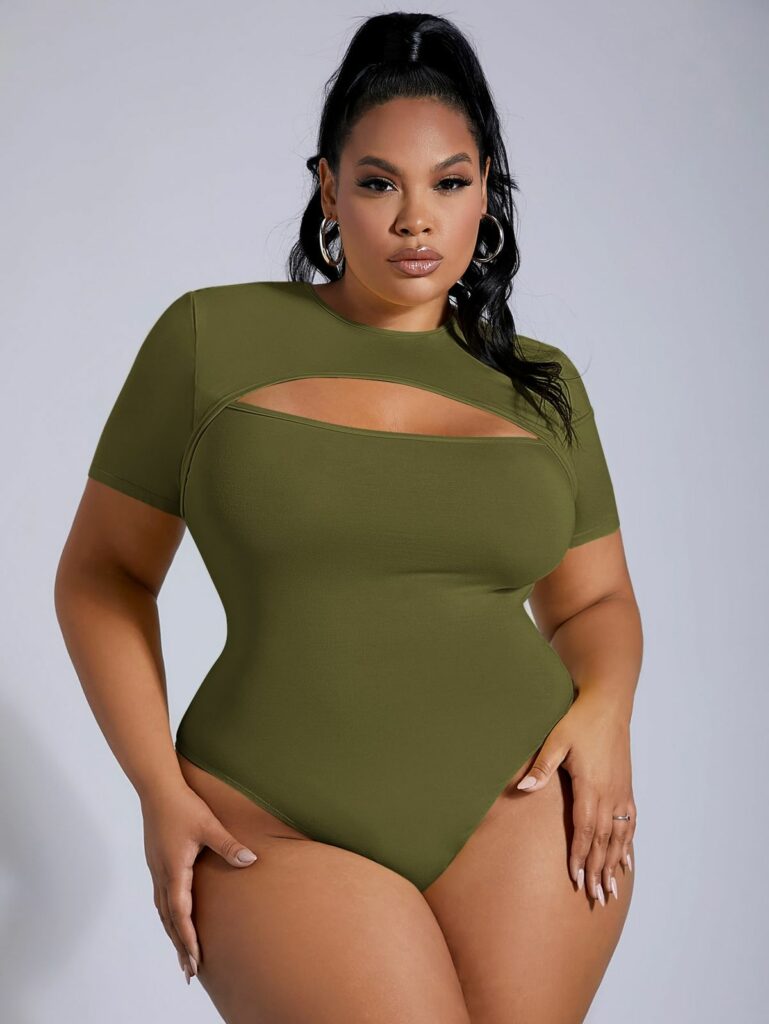
Plus-size shapewear: what does and what does not work is a very necessary article that will tell every woman how to get underwear that can be worn and make them feel beautiful and not tormented or encumbered. By 2026, shapewear will not relate to an impossible expectation of the body shape, but rather to the lines, comfort, and natural curves. The correct shapewear enhances self-esteem and complements the outfits, whereas the incorrect one may make the wearer feel uncomfortable, create visible silhouettes, and feel sluggish. This blog reveals precisely what fashions are most suitable for plus-size bodies as well as what they should avoid.
Why Plus-Size Shapewear Should Do What.
Before we get into styles, it is good to clarify what good plus-size shapewear is, in fact, doing:
Slides without aching burningly.
Gravity aids and does not limit movement.
Forms flawless undergarment lines.
Use your body, do not oppose it.
Shapewear is not meant to be a challenge, as it is supposed to be something that adds comfort and size.
What Works: Plus-Size Shapewear Styles that Work.
High-Waisted Smoothing Briefs.
Why they work:
High-waisted briefs also appeal to the tummy and waist without being too constrictive. The longer panel levels the midsection, with the possibility of the movement remaining natural. They are very good with daily time and fitted dresses or pants.
Best to use: having a flattering effect on the waistline, an appearance of a trim figure under custom-made clothes.
Making Bodysuits of Flexible Panels.
Why they work:
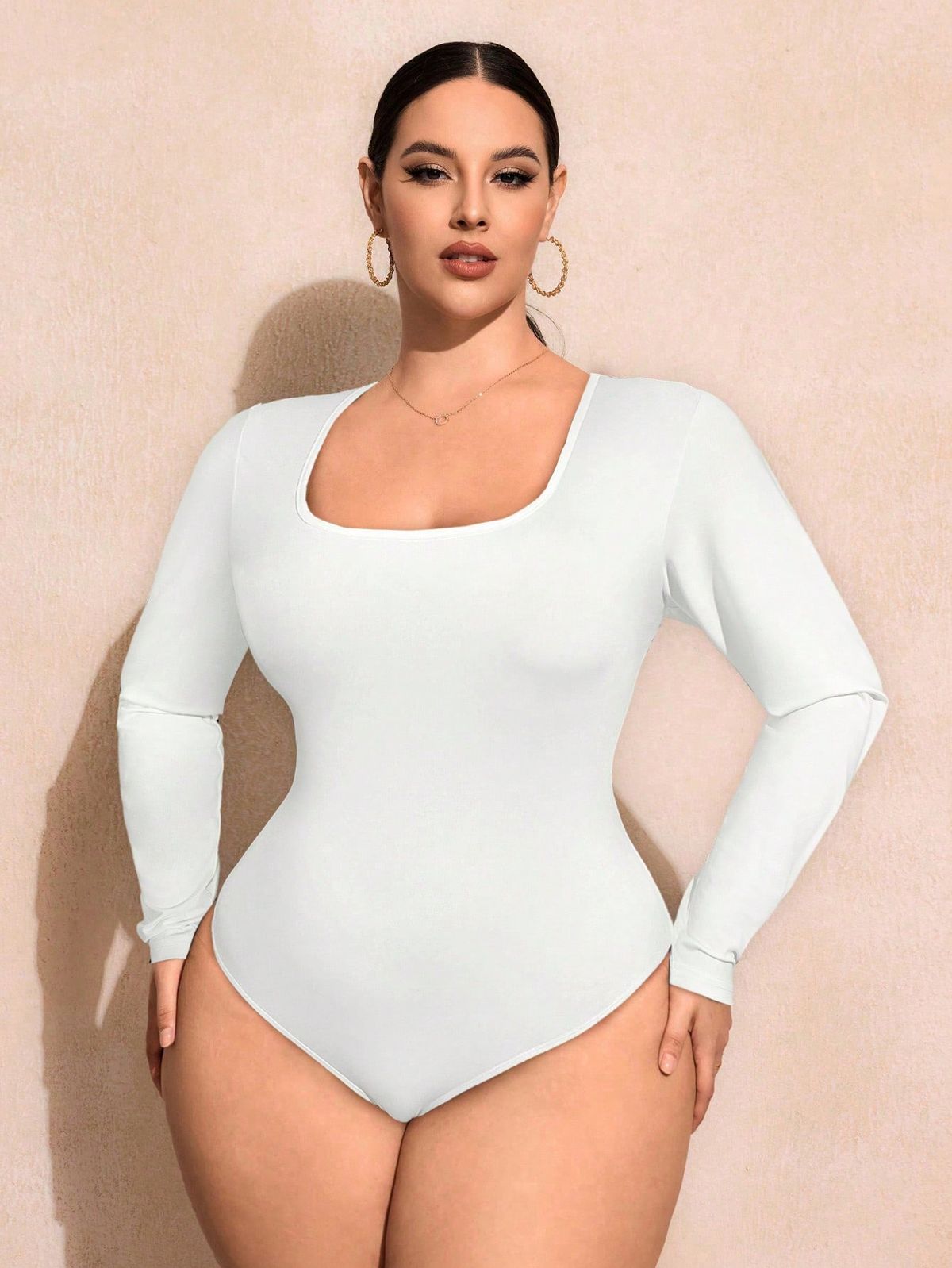
Strategically paneled bodysuits (stiffer at the waist and hips, softer at the other parts) offer full coverage of shaping at the waist to hips. They remove panty lines and give a smooth foundation that is continuous.
Best: dresses that you desire to have smooth lines and softness from the top to the bottom.
Breathable Fabric Control Thigh Shapers.
Why they work:
Thigh shapers assist in flattening the upper legs and hips, and the inner-thigh-rub issue is a frequent complaint. Find materials to wear that do not bind but rather stretch as you move.
Best: dressed in skirts, dresses, or shorts during the summer period.
Shapers Cami and Light Compression Tanks.
Why they work:
Light compression of the torso under blouses and jackets is made smooth with the help of tanks and lightweight camis without stiffness. These are particularly favorable as long as there is a desire to have a slight bit of shaping and comfort in either a professional or casual appearance.
Best: to be worn under shirts or overcoats.
Waist Cinchers of Moderate Compression.
Why they work:
Squeezy-firm compression waist cinchers may shape the middle without difficulty in breathing and moving around. It is a middle, not an extreme compression, which kills comfort.
Perfect time: tight tops and dresses in which you need a slimmer waist.
What Doesn’t Work: Shapewear Design Follies to Shun.
Extreme Compression Pieces
Squeezing shapewear would be uncomfortable, would limit breathing, and would leave an unnatural lump forming around the sides. Comfort should come at no price – your body does not need to be re-modeled with a hammer.
Why it does not work: Bulges that form in the edges, irritation of the skin, and imparting uneven looks to outfits are all caused by uncomfortable compression.
Fragments Without Breathability.
Clothing that retains heat or does not wick moisture easily feels uncomfortable. Shapewear that doesn’t move moisture easily or traps it is also rather uncomfortable on a long day or in hot weather. Breathable clothes are a necessity.
The reason it is ineffective: The appearance of irritation, sweating, and discomfort is caused by the use of heat-trapping materials.
Poor Fit or Wrong Size Shapewear.
Shapeless shapewear is ill-fitting. Those that are too small tumble down, poke, or leave distinct marks. Too large pieces do not form at all. It is not the number of the label that counts.
Why it fails: The wrong size will destroy smoothing, lead to slippage, and form distorted lines in outfits.
Individual Pieces That Do Not Fit Together.
The shapewear garments are not matched (such as high compression briefs and loose tank shaper), and the consequence is the formation of areas of disproportionate pressure that change during the day. Combined with clothes, shapewear has to belong.
The reason behind its failure: Bunching, pinching, and discomfort are experienced due to uneven compression.
How to pick Plus-Size Shapewear That Works.
Select the Shapewear for the Outfit.
The tailored dresses can require full bodysuits or high-waisted briefs, and the casual outlooks can be achieved with light tank shapers.
Focus on Fabric Quality
Stretch mesh, microfiber blend, and moisture-wicking fabrics balance the ratio between shaping and movement as well as breathability.
Begin with Light to Moderate Compression.
You can never put on too much more shaping, but you can never take off bits that are too tight.
Test Strategy with Strategic Paneling.
Shape is produced without discomfort by the use of diagonal panels of reinforced waist stitching.
Check for Seamless Edges
Welded or skin-welded lines eliminate the appearance of visible lines and make your figure luscious.
Conclusion
Designing plus-size shapewear that works intelligently to support where needed and breathe where desired, and feel smooth beneath the garment without seeming claustrophobic. Breathable thigh shapers, high-waisted briefs, body-contouring bodysuits, and light compression tanks practically shape, but do not sacrifice. Extreme compression, bad breathability, and ill-fitting pieces should be avoided; they do not flatter curves and can usually make outfits regressive. As shapewear feels good and suits your needs, it is actually a secret weapon that makes you feel confident and elegant in the morning and at night.
Recommend0 recommendationsPublished in Uncategorized