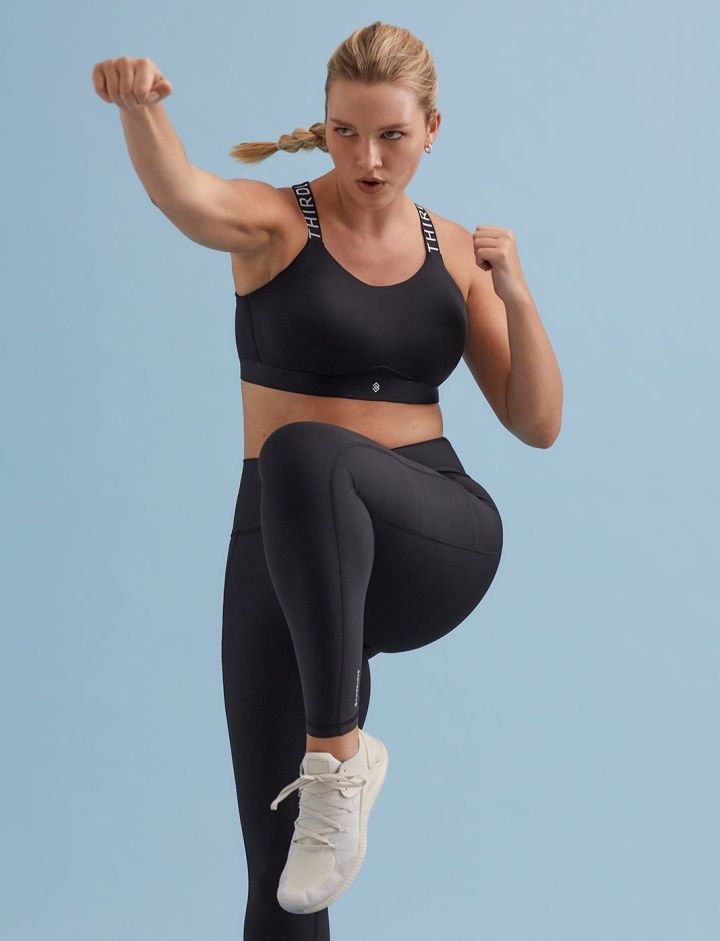
The explanation of types of sports bras is a crucial subject for women who prefer to be comfortable, protected, and feel secure when moving around. By the year 2026, sports bras are never going to be one-size-fits-all. Sports activities demand different levels of demand on the body, and an incorrect sports bra may cause discomfort, ineffective support, and strain in the long term. This guide separates the key categories of sports bras, the purpose of each of them, and how to understand which one you really need based on your lifestyle.
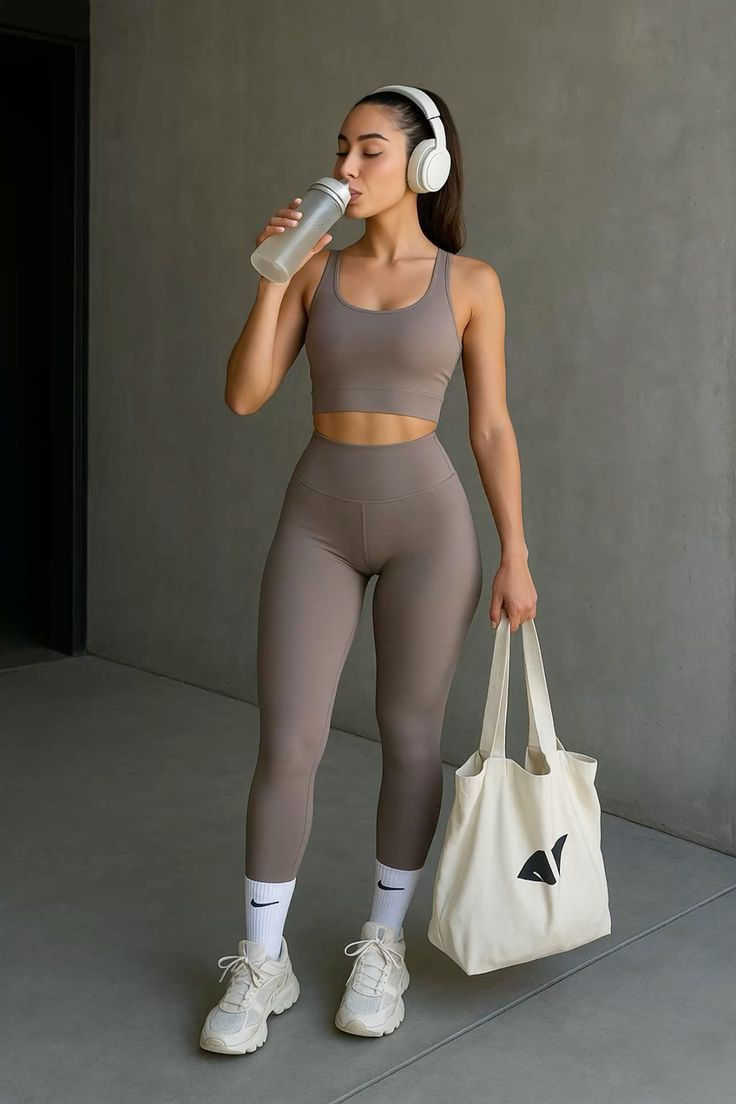
The Why of Selecting the Right Sports Bra.
A sports bra is not merely a piece of clothing that is used during workouts; it is also an aid. When the body is on the move, the breast tissue moves in various directions, and everyday bras are not crafted to contain such movement. A proper sports bra will minimize bouncing as well as preserve the breast tissue, enhance comfort, and enable you to concentrate on whatever you are doing rather than being focused on perpetual adjusting. The incorrect type may lead to pain even when one is performing light exercise.
Compression Sports Bras
The compression sports bras are used by flattening the breasts against the chest to reduce the movement of the breasts. They tend to be pull-on designs and typically have no cups and are made of stretch material that is tight and firm.
Why they work
Compression bras are thin, airy, and comfortable when involved in shorter or low-impact activities. They can be worn easily, and they can be used as casual athleisure tops as well.
Best for
Stretching, walking, pilates, yoga, and loitering are casual gym activities.
Who needs them
Females with smaller to medium breasts who perform low-impact exercise and are more comfortable in their bodies, and want to move.
Encapsulation Sports Bras
Encapsulation sports bras only hold each breast separately via the molded or structured cups. Rather than flattening the chest, they raise and part to give it controlled movement.
Why they work
This construction provides greater accuracy in support and less bouncing and compression. The encapsulation bras are more natural and supportive, particularly for full busts.
Best for
Running, gym exercises, bicycling, hiking, and dance exercises.
Who needs them
Medium and large-busted women or those who prefer the shaped support.
Combination Sports Bras
Combination sports bras are compressive and encapsulative. They keep the breasts tight to the body as well as support them (one at a time).
Why they work
It is the most accommodating design of a sports bra. It reduces the motion in any direction and provides the most stability when there is a heavy activity.
Best for
HIIT, high-impact exercises, aerobics, sport training, high cardio.
Who needs them
Females who have large busts or those who engage in high-impact exercise that requires significant support.
High-Impact Sports Bras
The sports bras designed for high impact are designed to withstand severe movement. They have broad fasteners, robust bands, stiffened cups, and little elasticity.
Why they work
They offer strong support, minimise bounce to a large extent, and cushion the breast tissue whenever subjected to repeated movement.
Best for
Jumping, running, competitive, high-intensity cardio.
Who needs them
Any person who feels uncomfortable or moves too much during strenuous sports, no matter the size of the bust.
Low-Impact Sports Bras
Sports bras that are low-impact are aimed at being comfortable as opposed to being restrictive. They provide free movement, and at the same time, they provide light support.
Why they work
They are soft, breathable, and flexible, and can be used to move slowly and in a controlled manner.
Best for
Yoga, barre, stretching, mobility exercises, and lounging.
Who needs them
Any person who values being comfortable and feeling supported rather than the bouncing ability.
Racerback Sports Bras
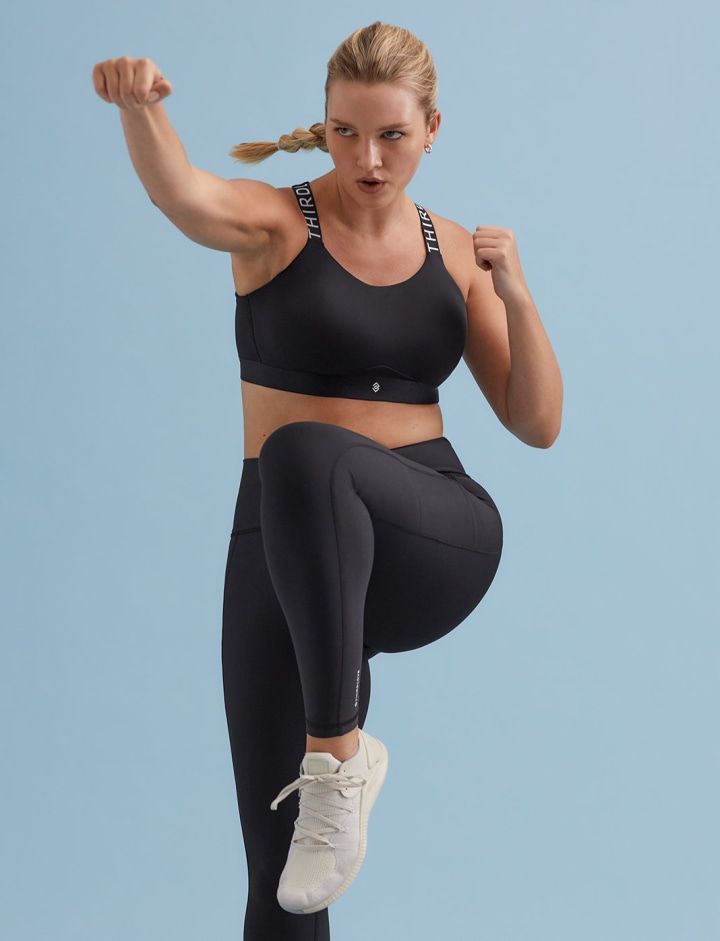
In racerback sports bras, the straps would intersect at the back of the shoulders. The design enables the movement of arms mor,e and in most cases, it enhances support.
Why they work
Racerback models do not have any lumps in weight distribution, and the straps do not slip out of position during activity.
Best for
Training, physical exercise, cardio, weights.
Who needs them
Women who like straps that are secure as well as straps that feel like they have been locked in during movement.
Adjustable Sports Bras
Flexible sports bras have hooks, straps, or closures that enable them to be customized to fit.
Why they work
They are more tailored and simple to wear and remove, particularly following vigorous exercise.
Best for
Intensive to moderate activity exercises, extensive workouts.
Who needs them
Those women who find it challenging to wear pull-on items, or those who prefer to have a perfect fit and support.
The Way to Select the Sports Bra You Actually Need.
The correct sports bra will be based on the level of activity, breast size, and comfort. Less intensive exercises require elasticity, whereas intense exercises require strong support. The bigger busts are better in the encapsulation or combination style, and the smaller bust may be comfortable in the compression design. Being able to have more than one kind of sports bra isbeneficial because you can match the support to the movement.
Conclusion
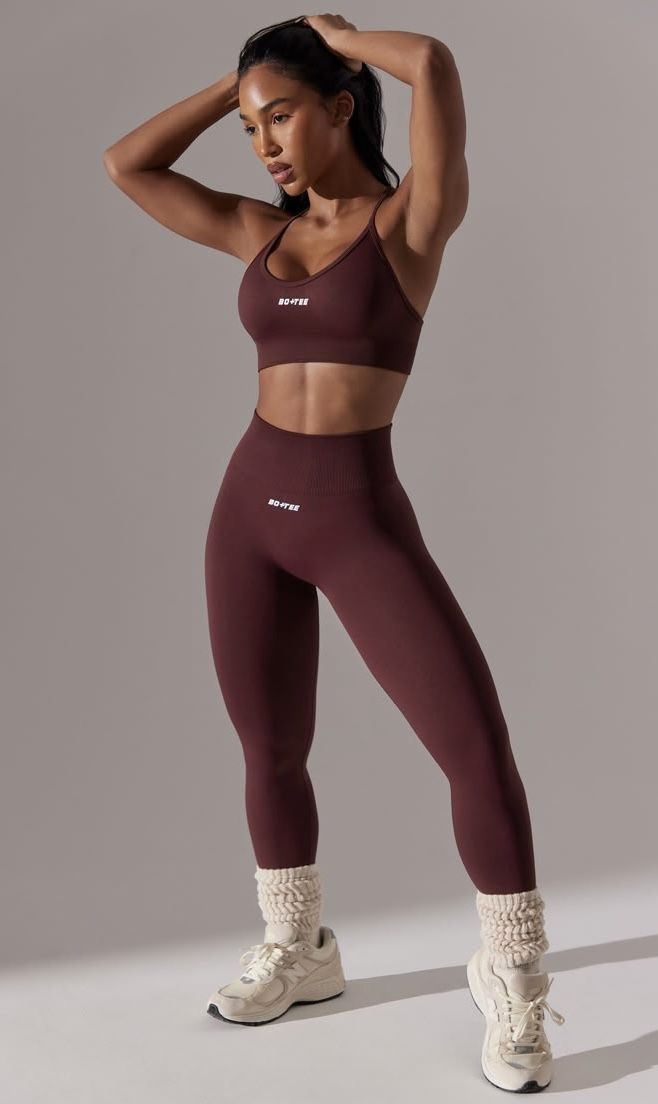
Knowing the various kinds of sports bras can also help you select support that actually works with your body and lifestyle. Sports bras in 2026 are designed purposefully and will have a choice of different activities at every level and body type. Light comfort or maximum control, the right sports bra will cover your body, enhance performance, and give you the feeling of confidence and ease. Everything is easier when you have your sports bra for your activity.
Recommend0 recommendationsPublished in Uncategorized