Corsets and shapewear are typically used interchangeably, whereas they are quite dissimilar in their purposes. One is made in a structured and statement-making way, and the other is to be worn under a garment and vanish. Knowing the distinction will enable you to select the appropriate item to be comfortable, stylish, and purposeful.
This guide identifies the actual definition of a corset, its differences with shapewear, and in what cases each of them really makes sense in a modern wardrobe.
What Is a Corset?
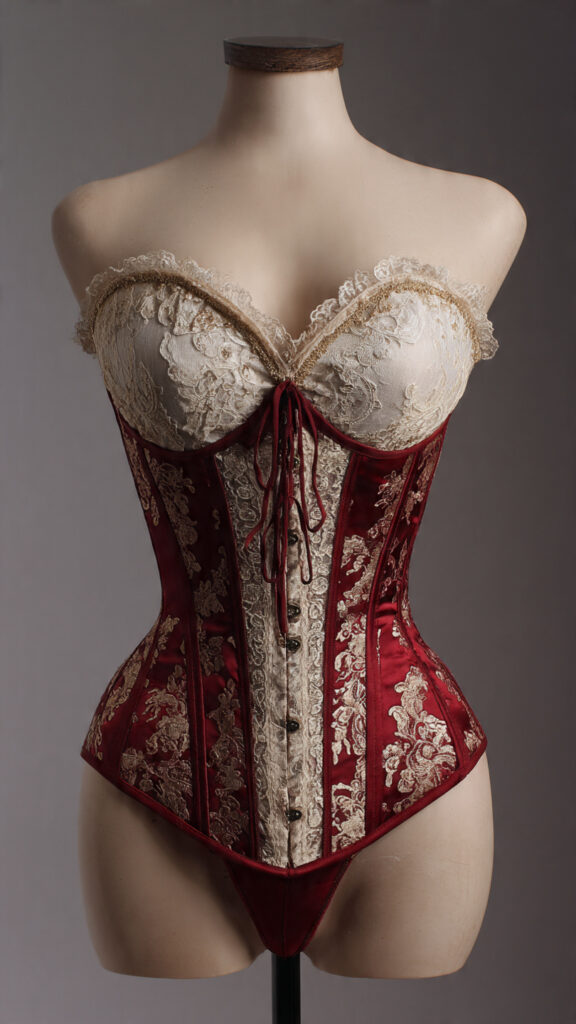
A corset is a structured piece of clothing that is used to define the waist and shape it. Corsets were traditionally worn as outer garments or undergarments with the help of boning and lacing to make the figure look more dramatic.
The corsets available today are not as restraining as the ones that were available in the past, but are still defined in terms of structure and definition as opposed to wear and comfort.
The major characteristics of a corset are:
Firm structure with boning
Lace-up, hook, or zip closures
Strong waist definition
Worn prominently often as a part of an outfit.
Corsets are fashionable, deliberate objects. You touch them when you put them on– and that is what.
What Is Shapewear?
Shapewear is also meant to flatten and hold the body beneath the clothes. It should be unnoticeable, light, and comfortable enough to be worn long-lasting.
Shapewear is not about dramatic shaping; it is the focus on minor improvement.
Popular shapewear attributes are:
Accommodative, stretchy clothes.
Seamless or flat edges
Light to medium compression
Designed to be hidden
It has Shapewear, which subtly does the job of making clothes fit better without altering the overall shape significantly.
The Primary Dissimilarities between Corsets and Shapewear.

Structure vs Flexibility
Corsets are stiff and stiffened. Shapewear is elastic and stretchy.
Corsets are body holders. Shapewear moves with it.
Purpose
Corsets are definition and style.
Shapewear is concerned with flattening and buttressing.
One is a fashion statement. The other is a layer of foundation.
Visibility
Corsets are not supposed to be hidden.
Shapewear is created in a way to remain unseen.
When an item is emphasized in your clothes, it must be a corset. When the garment is lost, then it is shapewear.
Comfort Level
The use of corsets is normally of shorter durations.
Shapewear is an item that can be worn throughout the day when well-fitted.
In case of comfort, that is your primary concern, then shapewear prevails.
When a Corset Makes Sense
Corsets are the ones that are most effective when you desire a structured look or a spur-of-the-moment appearance.
They’re ideal for:
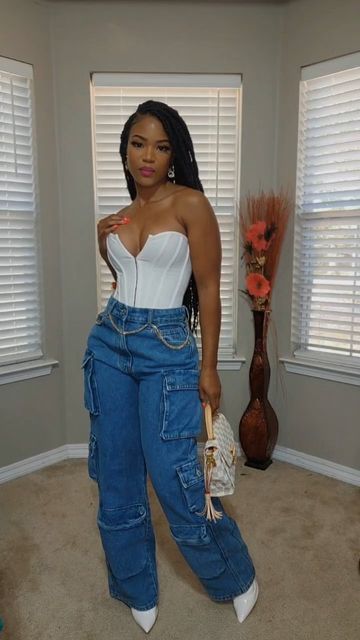
Worn as outer apparel with jeans or skirts.
Fashion-forward outfits
Special occasions emphasize the waist.
Fashion looks editorial or statement.
A corset is not selected automatically.
When Shapewear Makes More Sense.
Shapewear is more suitable when it comes to daily styling and polish.
It works well for:
Fitted dresses
Workwear
Fabrics: Lightweight or clingy.
Events that are long and in which comfort is important.
Shapewear is more preferable, in case you do not want to think about what you are wearing under.
Styling Insight
When your clothing is already structured, then it might seem extravagant to wear it on top of a corset. Contrarily, shapewear does not rival structured outfits, but, on the contrary, complements them. Corsets are best when they are in the limelight, not when concealed.
The Confidence Perspective
Corsets, as well as shapewear, are not about correcting your body. They’re tools. One is demonstrative and assertive, the other is mild and conciliatory. There is the self-confidence of being able to decide on one that suits your purpose and not trying to make a silhouette.
Final Thought
Shapewear is not a substitute for corsets. Corsets define and stand out. Shapewear is non-slipping and non-slimming. Once you know the distinction, it does not take as much time to dress up– and your clothes do not seem like random items.
Fashion is best when your foundation clothes fit your lifestyle, comfort, and personal style.
Recommend0 recommendationsPublished in Uncategorized