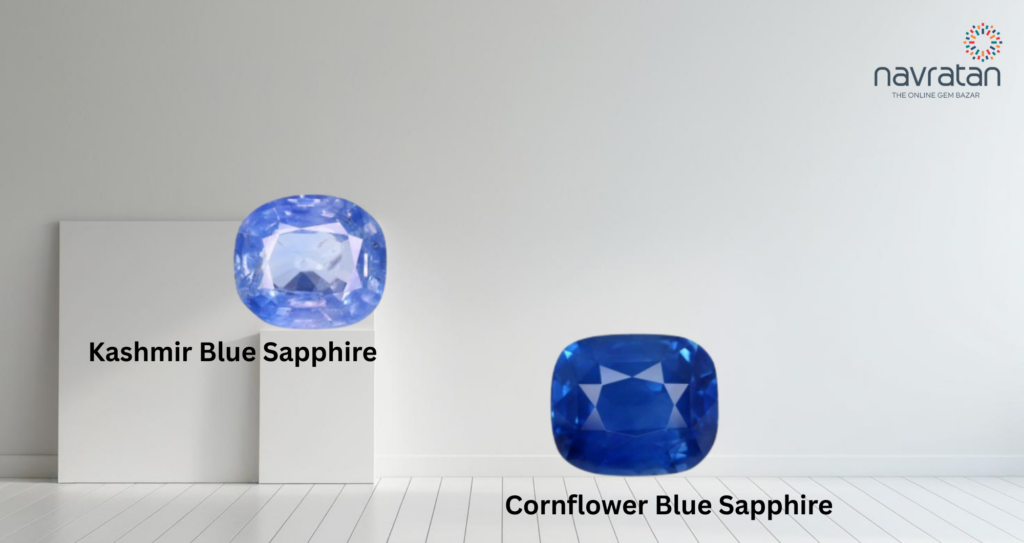
Certainly when it comes to precious stones, few investments compare to the enduring merit of a Blue Sapphire. Of these, Kashmir Blue Sapphire and Cornflower Blue Sapphire are the most superior/precious ones and also carry financial benefits. Combined with their beauty, scarcity and constant demand – blue sapphires are some of the best gemstones for gem investors, collectors, and even lovers of luxury jewelry – a Blue Sapphire Ring is no exception.
This guide will explain why these sapphires are so pricey, how they vary and what to know before shopping for one.
Why Should You Invest in Blue Sapphire
A Blue Sapphire is valued for its color and brilliance, however, it also has great durability and lasting value. Long the choice of royalty and connoisseurs, blue sapphires have been increasing in value along a stable curve of demand that is unaffected by speculative peaks and troughs for those stones harvested from rare sources and with an outstanding bluish, violet color.
High-quality sapphires are finite resources. Mines deplete, demand grows, and their value continues to rise — making them a strong alternative investment.
Kashmir Blue Sapphire - The Most Rare of Them All
Kashmir Blue Sapphire is the legendary sapphire that remains the Holy Grail of blue sapphires. These stones were briefly mined in the late 1800s in Kashmir and are no longer being produced commercially, making them extremely scarce.
What distinguishes it are its velvety soft blue hue with a very subtle frosty surface due to the fine inclusions. This amazing texture is what gives Kashmir stones their magical luster that no other sapphire actually has.
There are terrific investment opportunities in Kashmir Blue Sapphires as both the auction and private sale prices they command are very high. They’ve been holding their value over decades, proving to be among the safest gemstone investments—assuming there’s an assurance of authenticity and certification.
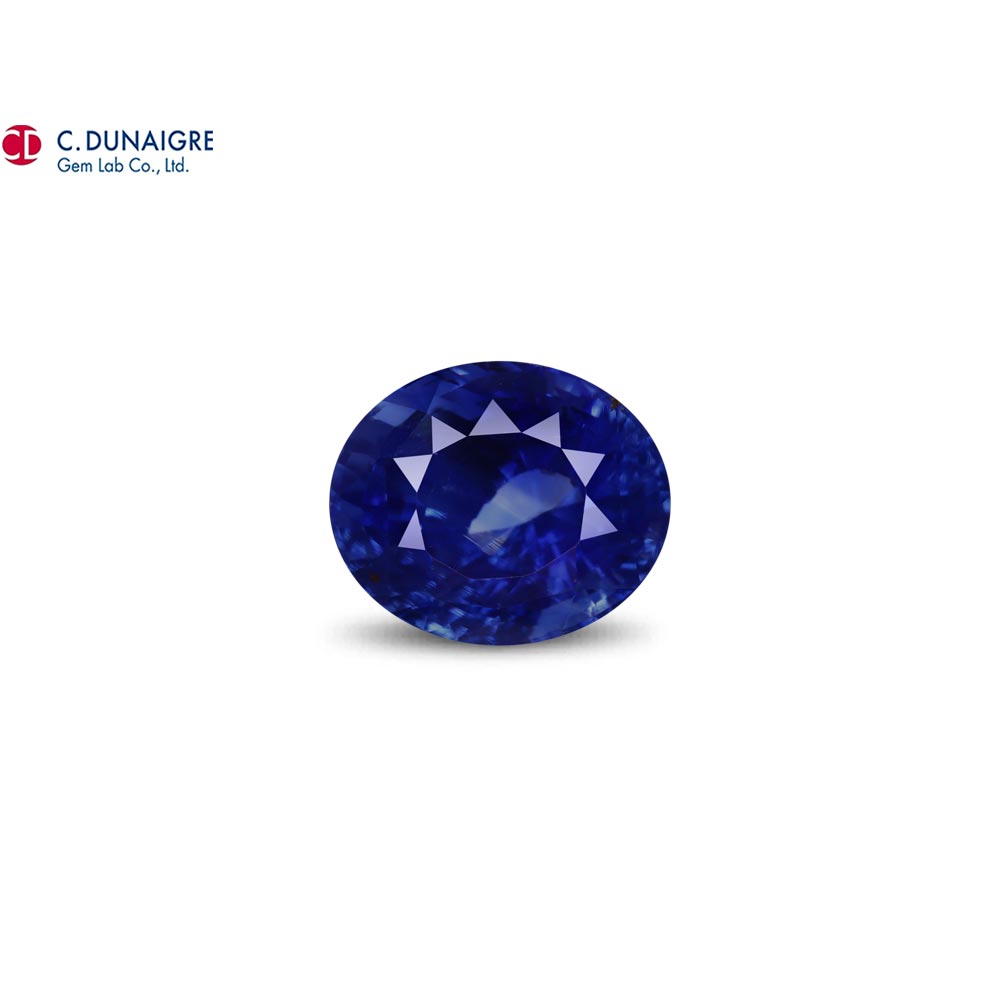
Image Resource: Navratan Gemstone
Cornflower Blue Sapphire: Beauty Meets Value in Perfect Harmony
Cornflower Blue Sapphire‘s trade mark has mid to strong blue color with sweeter overtones of violet similar to the flowers. These sapphires are typically found in Sri Lanka (Ceylon) and while less rare than Kashmir stones, they’re still regarded as top quality.
For those looking to invest, they are a great compromise in rarity, value and appreciation potential. They are very popular in high quality jewelry, particularly beautiful Blue Sapphire Rings, which keeps market demand robust.
Although not as scarce as Kashmir sapphires, the finest clarity and color Cornflower Blue stones have also been capable of rewarding the long term speculator.
Sapphire Cornflower Blue Vs Kashmir: Investment In recent years, it is becoming an ever challenging task when it comes to making a keen investment politeness the rising costs of everything around us.
Feature Kashmir Blue Sapphire Cornflower Blue Sapphire
Rarity Extremely rare Rare but available
Color Velvety, soft blue Bright blue with violet tone
Price Extremely high High but more accessible
Investment Risk Very low Low
Market Demand Elite collectors Jewelry & investors
How to invest in Blue Sapphire?
Details to keep in mind if you’re thinking about purchasing a Blue Sapphire Ring or loose stone: color, clarity, carat weight and origin. Always purchase stones with good gemological certification, most importantly for Kashmir Blue Sapphire beliefs.
For novices, Cornflower Blue Sapphire is perhaps a more feasible starting place while seasoned connoisseurs might aim for Kashmir stones as part of their long-term wealth preservation strategy.
FAQs
1. Is Kashmir Blue Sapphire a Good Investment?
Ans. Yes, because of being extremely rare and having recorded growth in price, it’s one of the best gemstone investments.
2. Kashmir or Cornflower Blue Sapphire – what’s best for newbies?
Ans. Cornflower Blue Sapphire is better for a beginner as it’s cheaper and more accessible to find.
3. Does the value of the investment in a ring change if a Blue Sapphire is set?
Ans. A fine Blue Sapphire Ring may add value through its setting but the most important factor for pricing is typically the gemstone itself.
4. How to test natural Kashmir Blue Sapphire?
Ans. Only rely on stones with certification from reputable labs, stating origin and natural formation.
Conclusion
Whether you pick the famous Kashmir Blue Sapphire or prefer the sophisticated Cornflower Blue Sapphire, buying premium quality Blue Sapphire stones can be emotionally satisfying and financially wise too. With education, certification and patience, these classic stones can become a strong long-term investment.
Recommend0 recommendationsPublished in Uncategorized