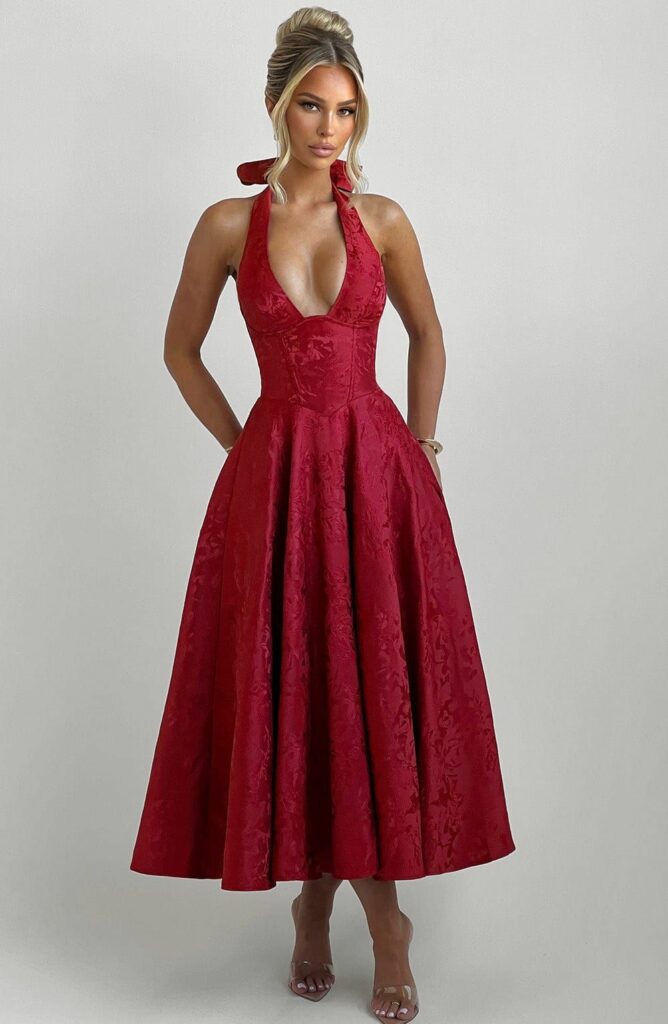
A midi dress is a very flattering item that a woman can have, provided they fit appropriately. It is long but elegant, the silhouette is all-encompassing, and most importantly, it can be comfortable and stylish simultaneously. Nonetheless, a midi dress does not fit all bodies in the same manner. The secret is not to change your body to fit the dress, but to get a midi dress that fits your natural body.
When a midi dress suits you, you feel light. You do not pull it, or make it a bit curved, or ask how it would be to view it from a different angle. Rather, it brings out the best in you and walks very well with you. It is very simple that knowing a few principles of styling will make you walk into the store with a more confident mind than a frustrated one.
This is a guide on how to select a midi dress that fits your body shape and that you will always feel comfortable, confident, and trendy.
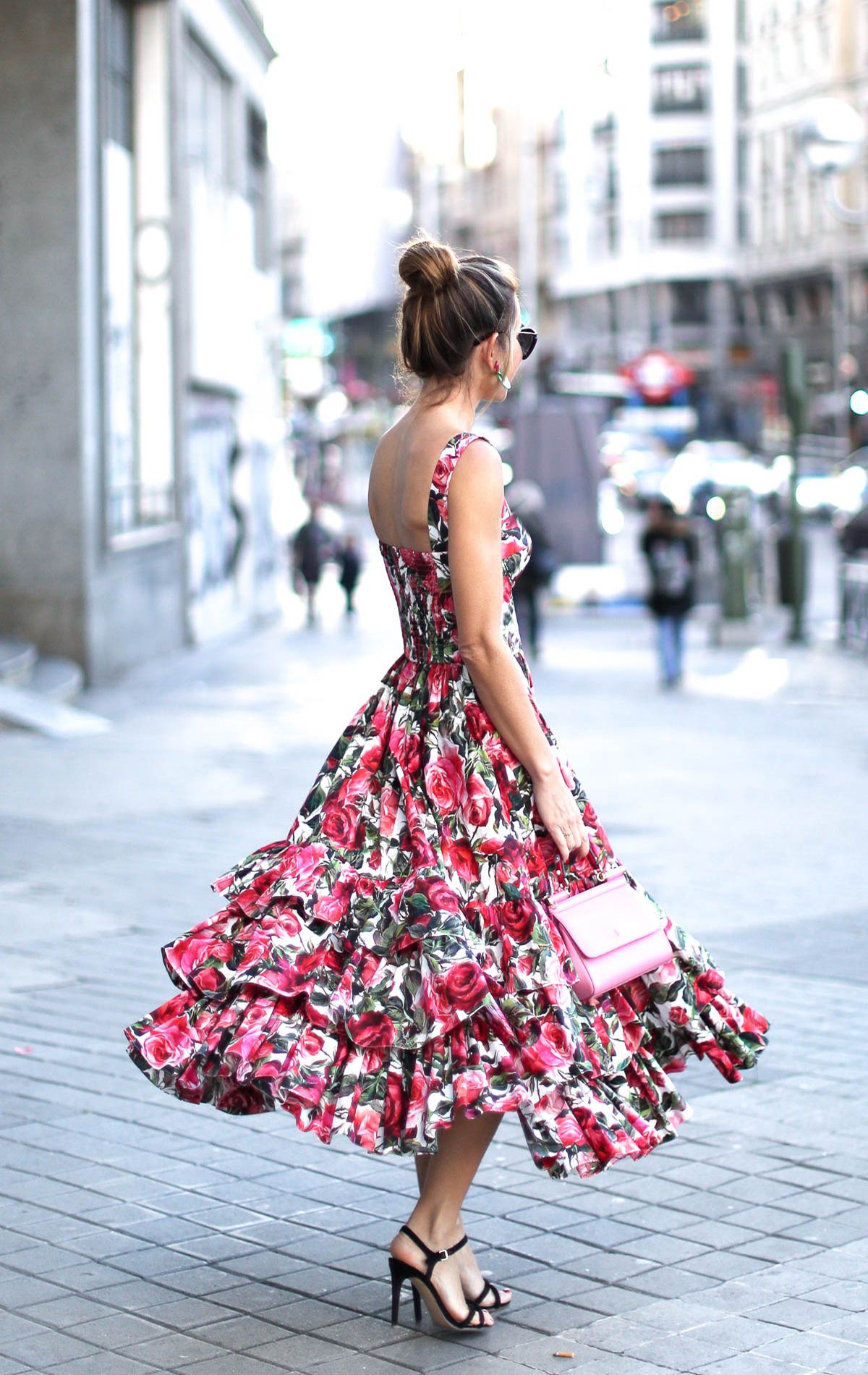
Begin With the Right Silhouette.
The figure of a midi dress is more important than trends or material. It decides the way the dress will be trailing your body and the focus point. This flattering midi dress is not exaggerated but is balanced.
In case your body is more straight or athletic, seek out midi dresses that provide definition. Wrap dresses, belted dresses, and ruching at the waistline are used to create curves and form. Flare dresses even slightly above the waist also have a less forced, more feminine shape without imposing on the body.
A-line midi dresses are your best friend if you have fuller hips/thigh. They do not cling to the lower body, but slide over and form a smooth and elegant line. One should avoid extremely rigid materials that fit tightly around the hips and go instead with those that flow naturally.
In curvier women with a clear waist, fitted bodices with soft draperies serve very well. It is not about squeezy and slimming but about doing as you are naturally shaped and feel your way with comfort and conviction.
Waist Positioning: Pay Attention.
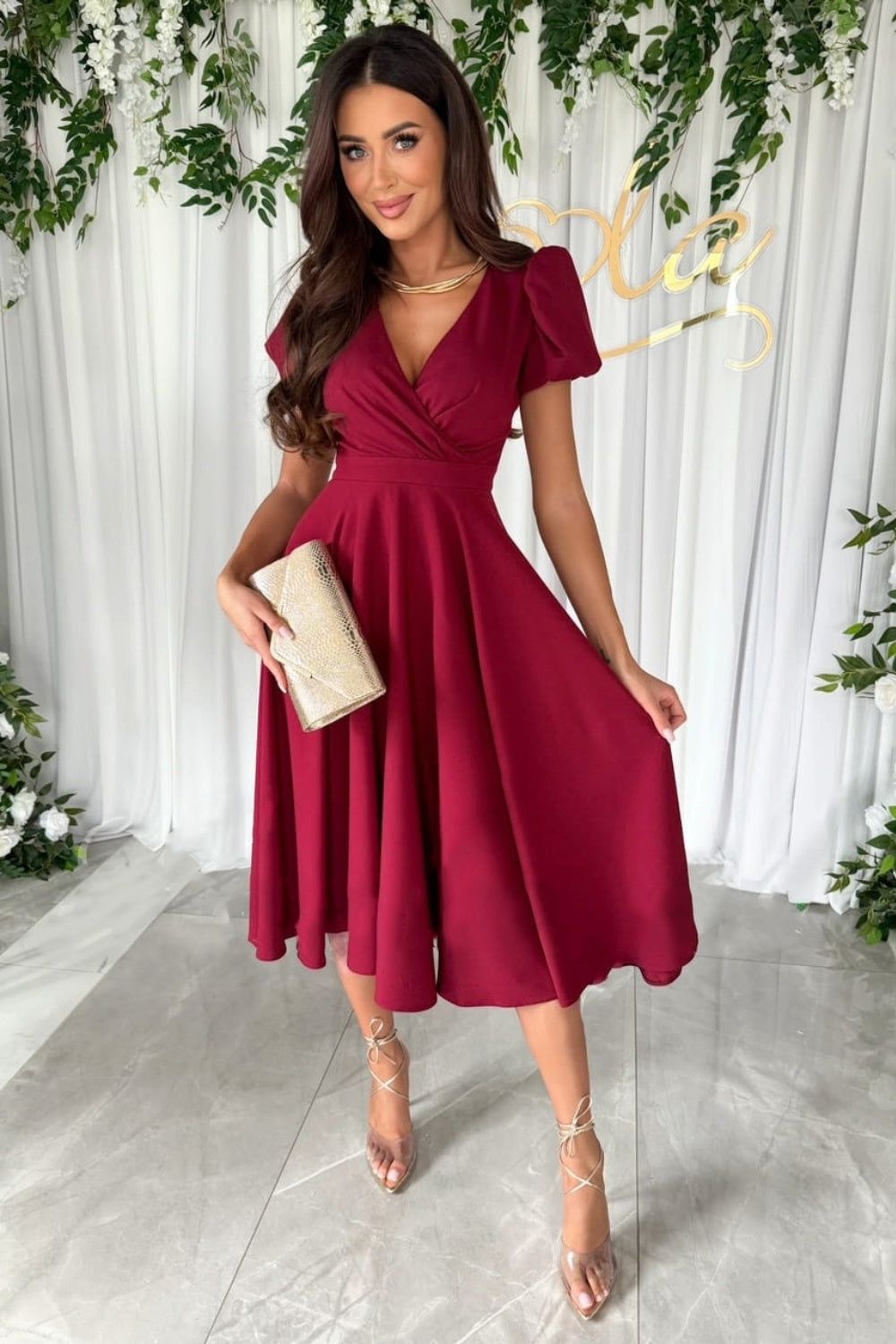
The position of the waist on a midi dress can entirely transform the appearance of your proportions. An appropriate waistline will make your top and bottom body look in balance, and having it in the wrong position will make the dress look strange or hideous.
Midi dresses that are slightly higher at the waist are a perfect idea in case of a shorter torso or just a desire to be taller. They are longer on the legs, making the silhouette more balanced. Softly cinched designs or empire-waist can be used particularly well here.
On longer torsos or thicker midsections, seek out natural-waisted or subtly shapeless dresses as opposed to sharp-cut dresses. Wrap dresses and dresses with ties that can be adjusted in place are not tight, and the waist does not seem scratchy.
Do not wear dresses that are loose at the point of maximum bulk. A waist must not slice across you, but should make you.
Select the Appropriate Length of your Height.
Midi dresses are generally worn between the knee and ankle, though the point of their landing is a large factor. The most pleasing length is actually where the lower leg is narrowest, and not necessarily where the calf is widest.
You can find midi dresses that sit just below the knee or mid-calf with a clean cut, which is good in the event you are petite. It is also possible that pairing them with slightly higher shoes can make them feel not too overdressed.
Taller women are more flexible in terms of length, yet balance has to be significant. Very long midis, which are positioned near the ankle, may be heavy if the dress is not shaped. The theme of adding slits or lighter clothes makes the look fluid and flattering.
The correct length must not be by chance. When a dress appears to be hitting somewhere awkward, then a simple hemline will change everything.
Clothes and Movement Matter More Than You Expect.
The action of how the midi dress flows is equally relevant as the appearance of the dress on a hanger. Hard materials create unnecessary bulk, and too-thin materials cling in an uncomfortable manner.
To make sure the garment fits universally, find smooth-draping fabrics, like viscose, satin mixes, crepe, or light knits. These fabrics glide over the body without highlighting all curves and lines. The stretch garments are also flattering, provided that they provide structure and not compression.
In case you want a more formal appearance, you can wear fabrics that do not stiffen up. It is all about balance; the dress must not be against your body, it should be in line with you.
Make Wise Choices using Necklines and Details.
Minor details are important. Sleeves, design, and necklines facilitate the direction and the creation of the visual balance.
Necklines that are wrapped and/or of the V-neck make the torso look longer and suit most body shapes. Square necklines are structured and bring out the collarbone, whereas scoop necks are relaxed and soft. Excessive layering or bulk of dresses can be avoided by finding ones that have clean lines and provide maximum coverage.
Sleeves also play a role. Flutter sleeves smooth the shoulders, tight-fitting sleeves give a smooth appearance, and three-quarter sleeves provide balance to fuller arms without being constricting.
Final Thought
When it comes to picking a midi dress that fits your body, there is no need to stick to the rules, but simply to know how to balance, feel comfortable, and fit. The ideal midi dress fits well on your body, has the ability to show off what you love about yourself, and that it can be worn comfortably.
Fashion is supposed to be helpful and not harmful. Being able to feel confident without trying hard when you decide on a midi dress that fits your form and your life, this is what makes any clothes memorable.
Recommend0 recommendationsPublished in Uncategorized