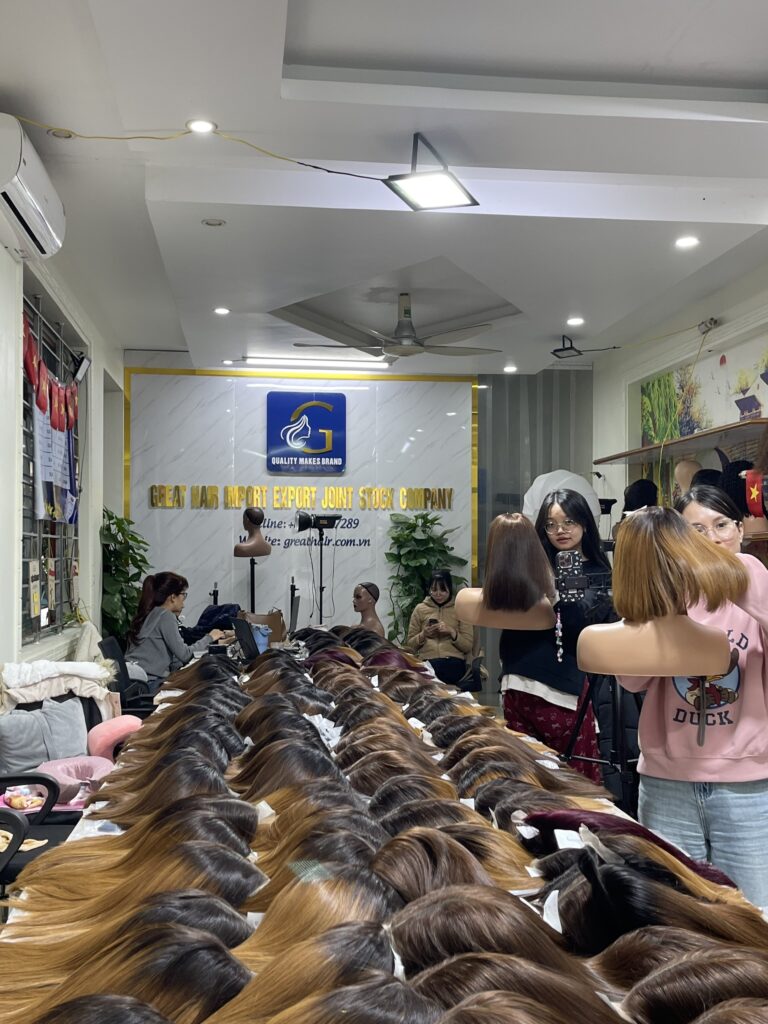
Hair extensions have become an essential part of modern beauty routines, offering instant length, volume, and styling flexibility. When applied and maintained correctly, extensions can look natural, feel comfortable, and coexist safely with your natural hair. However, improper care is one of the main reasons people experience tangling, dryness, or unnecessary stress on their own hair.
Understanding how to care for hair extensions is not about following complicated rules; it’s about building consistent habits that respect both the extensions and your natural hair underneath. From daily brushing to washing routines and nighttime care, small decisions can make a noticeable difference in how long extensions last and how healthy your hair remains.
This guide breaks down professional, salon-backed practices for maintaining hair extensions safely and effectively.
Why Proper Hair Extension Care Matters
Hair extensions do not receive natural oils from the scalp the way natural hair does. As a result, they are more prone to dryness, friction, and buildup if not cared for correctly. At the same time, the natural hair supporting the extensions can experience tension if brushing, washing, or styling is done incorrectly.
Most extension-related problems, such as matting at the roots, breakage, or discomfort, are not caused by the extensions themselves, but by daily habits that unintentionally strain the hair.
Professional stylists agree that correct maintenance can:
Extend the lifespan of hair extensions
Preserve the integrity of natural hair
Prevent unnecessary shedding or breakage
Keep the overall look polished and natural
Daily Care
Brushing the Right Way
One of the most overlooked aspects of extension care is brushing technique. Hair should always be detangled gently, starting from the ends and slowly working upward toward the roots. Pulling a brush directly from root to tip can cause tension at the attachment points and weaken natural hair over time.
Using a soft-bristle or loop brush designed for extensions helps reduce snagging and friction. Brushing two to three times a day, especially before washing, styling, or sleeping, keeps tangles from becoming compacted.
Avoiding Unnecessary Tension
Extensions should never feel tight or uncomfortable during daily activities. Constant pulling from tight ponytails, high buns, or heavy accessories can stress both the extensions and the natural hair anchoring them.
Low-tension hairstyles are ideal for everyday wear. If hair feels sore at the scalp, it’s often a sign that styling habits need to be adjusted.
Washing Hair Extensions Safely
How Often Should Extensions Be Washed?
Overwashing is one of the most common mistakes. While natural hair may tolerate frequent washing, extensions typically do better with fewer wash days. Washing two to three times per week is sufficient for most people, depending on lifestyle and product use.
Less frequent washing helps prevent dryness and reduces unnecessary manipulation.
Proper Washing Technique
Before washing, hair should be thoroughly brushed to remove tangles. During washing, extensions should be cleansed in a downward motion, avoiding circular scrubbing that can cause matting.
A sulfate-free shampoo is recommended to prevent stripping moisture from both the extensions and natural hair. Conditioner should be applied mainly to mid-lengths and ends, avoiding the attachment areas to prevent slippage or buildup.
Drying and Heat Styling Considerations
Drying Extensions Correctly
Hair extensions should never be rubbed aggressively with a towel. Instead, gently squeeze out excess water and allow hair to air-dry when possible. If using a blow dryer, it’s best to use a medium heat setting and keep airflow directed downward.
Extensions should be completely dry before sleeping or styling. Damp hair is more prone to tangling and friction.
Using Heat Tools Responsibly
Most high-quality human hair extensions can tolerate heat styling, but excessive heat shortens their lifespan. Always apply a heat protectant before using flat irons, curling wands, or blow dryers.
Keeping heat tools at moderate temperatures helps preserve softness and shine while preventing dryness and split ends.
Nighttime Care
Nighttime routines are just as important as daytime care. Sleeping with loose hair can cause friction against pillows, leading to tangling and breakage.
Before bed, hair should be gently brushed and secured in a loose braid or low ponytail. Silk or satin pillowcases are highly recommended, as they reduce friction compared to cotton.
Extensions should never be slept on while wet, as this increases the risk of matting and stress on the roots.
Product Selection: Less Is Often More
Using too many styling or conditioning products can lead to buildup around attachment points. Lightweight, extension-friendly products are ideal, especially those designed to hydrate without weighing hair down.
Heavy oils and thick creams should be used sparingly and kept away from bonds, tapes, or rings. When in doubt, minimal product use combined with consistent care often yields the best results.
For those building a routine from scratch, referencing professional hair care resources such as this hair care guide can be helpful when developing long-term maintenance habits without overcomplicating the process.
Maintenance Appointments and Professional Check-Ins
Even with excellent home care, professional maintenance is essential for semi-permanent or permanent extensions. As natural hair grows, attachment points need to be adjusted to maintain balance and prevent tension.
Regular salon visits allow stylists to:
Reposition extensions as hair grows
Remove any buildup safely
Assess the health of natural hair
Ensure attachments remain secure and comfortable
Ignoring maintenance appointments can lead to unnecessary stress on natural hair and reduce the overall lifespan of extensions.
Common Mistakes to Avoid
Many extension issues stem from avoidable habits. Some of the most frequent mistakes include:
Brushing aggressively near attachment points
Using products not suitable for extensions
Washing hair too frequently
Sleeping with wet or loose hair
Skipping professional maintenance
Being mindful of these habits can significantly improve both comfort and results.
Are Hair Extensions Safe for Long-Term Use?
When chosen correctly and cared for properly, hair extensions are safe for long-term wear. The key factors are correct installation, realistic expectations, and consistent maintenance.
Extensions should enhance natural hair, not replace healthy hair habits. When people follow professional care guidelines, extensions can be worn comfortably while maintaining strong, healthy, natural hair underneath.
Final Thoughts
Hair extensions are more than a beauty accessory; they’re an investment in confidence and personal style. Like natural hair, they require thoughtful care and attention to remain healthy and beautiful.
By adopting gentle daily habits, using appropriate products, and committing to proper maintenance, extensions can blend seamlessly into everyday life without compromising natural hair health. With the right approach, caring for hair extensions becomes simple, manageable, and rewarding.
Recommend0 recommendationsPublished in Hairstyles