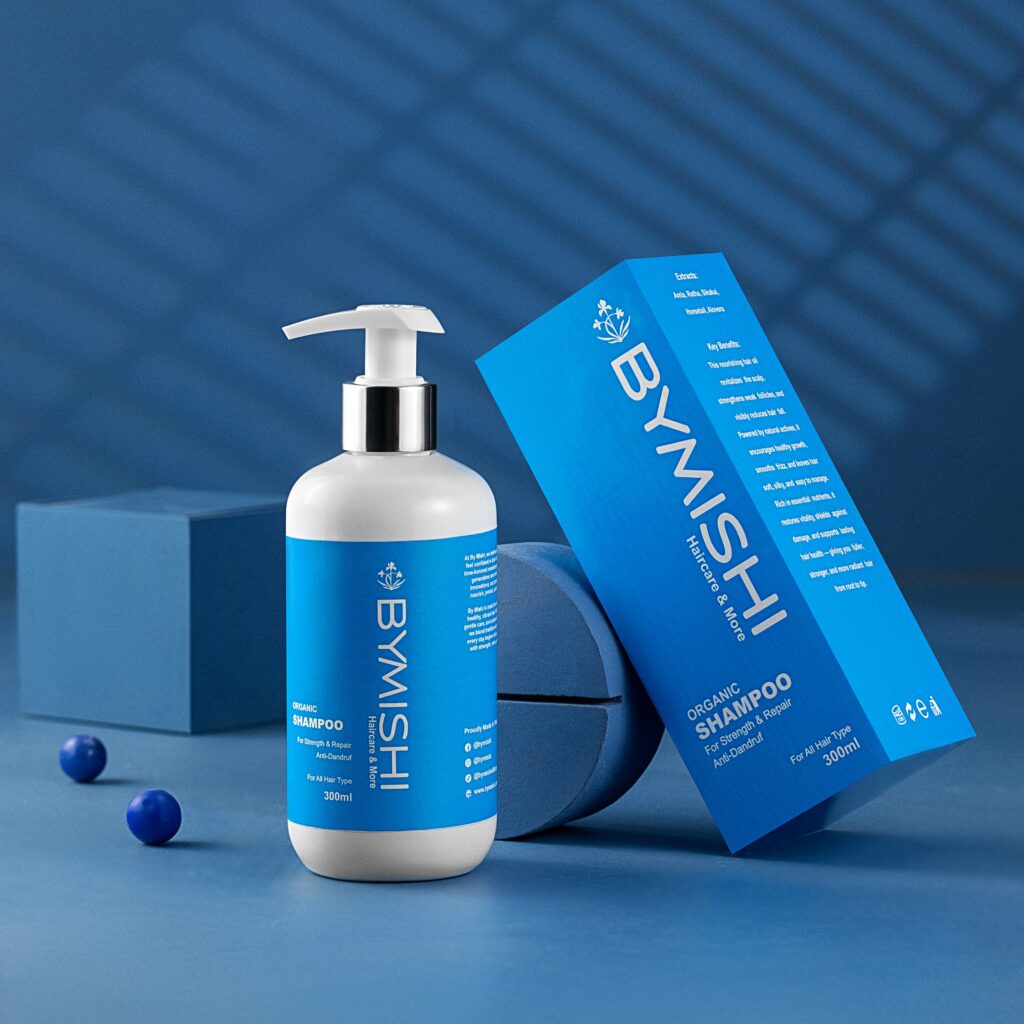
You are not alone if you have ever wondered if locally produced haircare products can truly live up to the hype while browsing an internet store or standing in an aisle of a drugstore. Every time they reach for a bottle, hundreds of people struggle with the question of whether Pakistani shampoo brands are actually appropriate for a sensitive scalp. As long as you know what to look for, there is reason for optimism since the local haircare business has made significant progress.
Understanding What a Sensitive Scalp Actually Means
Prior to delving into the realm of Pakistani shampoo formulas, it is necessary to comprehend the true definition of sensitivity. A somewhat dry scalp after washing is not the only sign of a sensitive scalp. It is a scalp that responds, occasionally dramatically, to specific substances, alterations in the environment, or even stress. Prolonged itching, redness, peeling, tightness after washing, and a burning feeling that lasts long after the shampoo has been washed off are some of the symptoms.
Due to a weakened skin barrier, irritants can more readily penetrate and cause inflammatory reactions in those with sensitive scalps. For this reason, selecting the right shampoo is crucial. While the appropriate formula can protect, soothe, and even assist restore balance over time, the wrong one can turn a slight sensitivity into a serious scalp problem.
The Evolution of Pakistani Shampoo Formulations
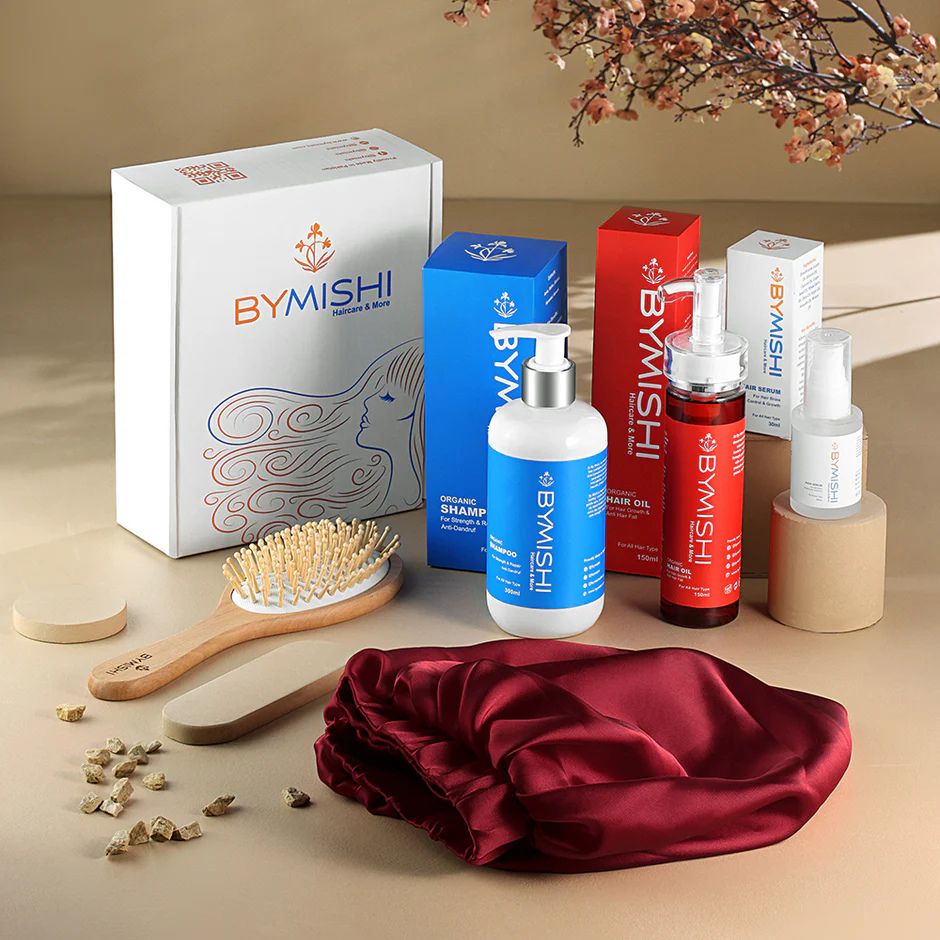
Image is credit by Gems by Uzma
Over the past ten years, Pakistani shampoo brands have experienced a notable development. Locally made hair care products have traditionally relied largely on synthetic perfumes and powerful surfactants, two types of substances that are very harsh on delicate scalps. But local producers have had to adapt as customer awareness has skyrocketed.
Traditional plant ingredients that have been utilized for generations in South Asian haircare are now incorporated into several Pakistani shampoo formulations. Neem, henna extracts, black seed oil, amla, and hibiscus are examples of ingredients that have real dermatological credentials and are not merely marketing gimmicks. For example, neem has well-established antibacterial and anti-inflammatory qualities.
Numerous studies have demonstrated that black seed oil promotes healthy hair follicle function and lessens inflammation on the scalp. People in this area have relied on these substances for many generations, and their use in contemporary Pakistani shampoo formulations serves as a significant link between conventional knowledge and cutting-edge haircare technology.
What Makes a Shampoo Genuinely Safe for Sensitive Scalps?
The guidelines for protecting sensitive scalps are essentially the same whether you are shopping domestically or abroad. The surfactant base should be examined first. Shampoo’s cleansing ingredients, known as surfactants, come in a wide range of harshness and gentleness.
One of the most harsh is sodium lauryl sulfate, which is known to deplete the scalp’s natural oils and interfere with its defenses. Milder substitutes such sodium laureth sulfate, cocamidopropyl betaine, or decyl glucoside, which clean well without irritating the skin, are now used in many better-formulated Pakistani shampoos.
The second big issue is fragrance. A sensitive scalp may respond to even natural scents, and synthetic perfumes might cause considerably more issues. A Pakistani shampoo might not be the greatest option for reactive scalps if “parfum” or “fragrance” are listed toward the top of the ingredient list. Certain locally accessible products now include alternatives that are either fragrance-free or subtly scented in order to explicitly address this issue.
Another crucial element that is sometimes disregarded is pH equilibrium. The pH of a healthy scalp stays between 4.5 to 5.5, which is somewhat acidic. Overly alkaline shampoos upset this equilibrium, making the scalp susceptible to germs, dryness, and irritation. This component of formulation is becoming more and more important to high-quality Pakistani shampoo companies; some even emphasize their pH-balanced credentials on the package.
The Role of Traditional Ingredients in Modern Pakistani Shampoo
Using local botanicals with a long history of use for scalp treatment is one of the most fascinating parts of buying Pakistani shampoo. In this regard, local firms really have an advantage over many foreign rivals, who might use these substances sparingly just for advertising.
A Pakistani shampoo brand frequently uses formulation knowledge that has been honed over generations when it bases its formula on amla or reetha, two substances that have been used for hundreds of years to promote scalp health throughout the subcontinent.
For generations, reetha, also known as soapnut, has been used as a shampoo substitute since it is a natural saponin-based cleaner that is mild enough for even sensitive scalps. Amla is high in antioxidants and vitamin C, which promotes scalp circulation and lowers oxidative stress, a role in a number of scalp disorders.
For those with sensitive scalps, henna-based Pakistani shampoos are an additional option worth looking into. Those who suffer from dandruff and sensitivity can benefit from the cooling and conditioning effects of pure henna, as well as its moderate antifungal qualities. Just be aware that certain commercial henna shampoos contain chemical ingredients that may compromise the base ingredient’s gentleness.
What the Pakistani Haircare Market Still Needs to Improve
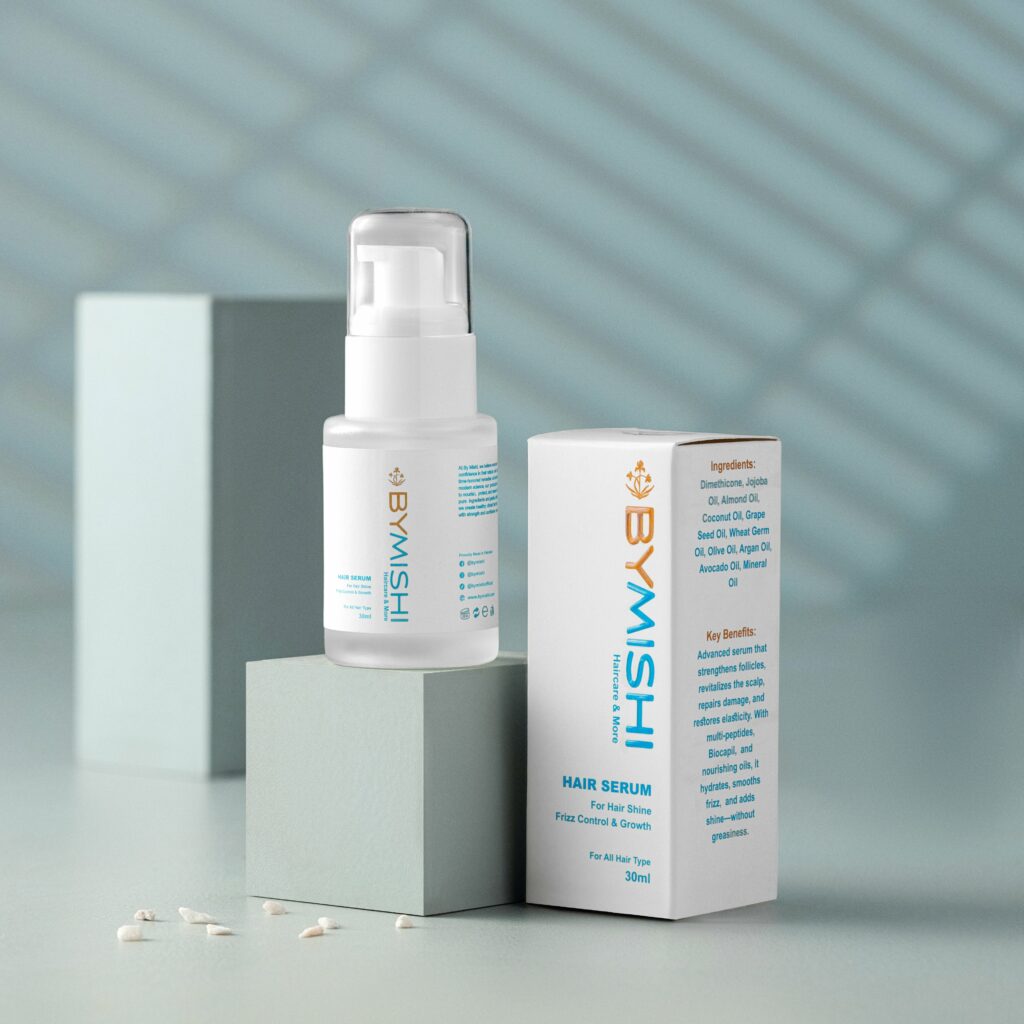
This image is credit by gems by Uzma
The largest potential for growth for Pakistani shampoo businesses is transparency. It can occasionally be difficult to read the entire ingredient list on a locally made shampoo, either because it is printed in extremely small font, is not mentioned completely, or employs trade names that are hard for customers to understand. This ambiguity is quite annoying for someone with a sensitive scalp who is attempting to stay away from particular triggers.
Another field that might benefit greatly from increased funding is dermatological testing. International shampoo companies that cater to those with sensitive scalps frequently pass stringent clinical testing and have dermatological organization accreditation. Although certain shampoo manufacturers from Pakistan are starting to follow suit, this is not yet the standard in the business. Instead of independently confirmed safety data, consumers must rely more on their own experience and the advice of others.
How to Pick the Best Pakistani Shampoo for Your Sensitive Scalp: A Practical Guide
Perform a patch test first. Individual individuals may experience sensitivities even to items that are advertised as natural or moderate. Before applying a tiny bit of diluted shampoo to your scalp, wait a full day and apply it to the inside of your wrist or behind your ears.
Seek out ingredient listings that are concise and clear. For a sensitive scalp, a Pakistani shampoo with ten easily identifiable ingredients is significantly more reliable than one with thirty, many of which are unidentifiable. Your chance of a reaction decreases with the number of possible irritants.
Not just right after bathing, but also 24 to 48 hours later, pay attention to how your scalp feels. There are delayed reactions to some irritations. Regardless of how it felt during the rinse, the shampoo might not be the best choice if you have greater itching, redness, or flaking the day or two after washing.
Think about the type of water you have. Hard water is a fact in many Pakistani cities, and it can exacerbate scalp irritation by interacting with shampoo compositions. Your water source might be a contributing factor if you are experiencing ongoing sensitivity, and a chelating or clarifying rinse once in a while can be beneficial.
Final Words
Pakistani shampoo brands can be beneficial for sensitive scalps, and the best locally made products can even compete with those made outside in some areas. The industry is moving in the right direction due to the use of tried-and-true botanical constituents, rising consumer demand for clean formulations, and increased knowledge of gentle surfactant chemistry. As always, the secret is to carefully read labels, identify the triggers that are unique to your scalp, and be prepared to try different formulas until you find one that works for your scalp.
Recommend0 recommendationsPublished in Hairstyles