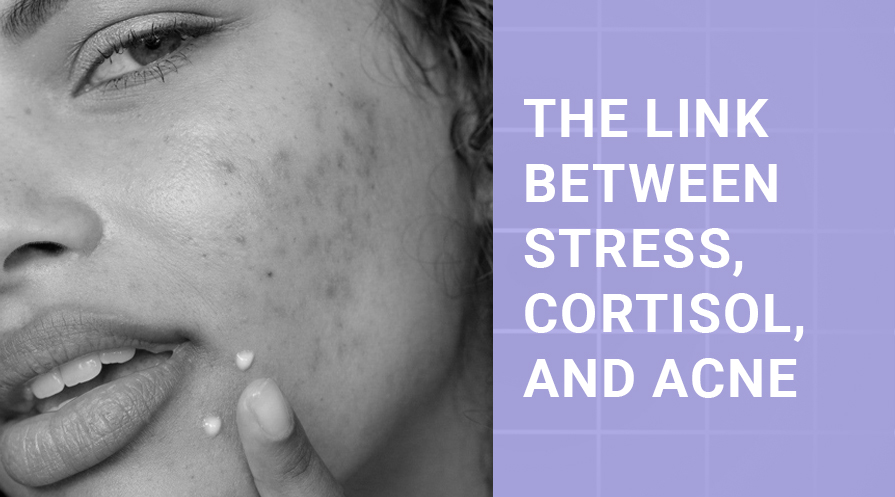
For many of us, stress has become a constant part of our lives. It may not always look loud, but it can still trigger a series of chemical reactions in the body and also affect our skin.
You may not know this, but stress and acne are deeply connected. That is why people with chronic stress often notice issues like stress breakouts, hives, inflammation, etc.
If you are surprised, let us break it down for you.
Why Does Stress Cause Acne?
Acne is commonly linked to hormones, diet, and skincare habits and hygiene. Stress, on the other hand, doesn’t directly cause acne. Instead, it induces hormonal changes in the body and triggers inflammation, etc. And it is because of these changes that our skin starts breaking out. Here is a more in-depth explanation of it.
Hormonal Imbalance
When a person is stressed, their body releases adrenaline and cortisol, which signal the sebaceous glands to produce more oil (sebum). Excess sebum can clog pores, creating an ideal environment for acne-causing bacteria to thrive.
Inflammation
Chronic stress can overactivate the immune system, leading to inflammation. This can worsen acne with more redness and swelling. Inflammation also slows down the skin’s natural healing process, making wound recovery more difficult.
Weakens Skin Barrier
Prolonged stress makes it difficult for your skin barrier to repair itself, leading to increased transepidermal water loss and sensitivity to irritants. With a slowed-down healing process, acne becomes more severe and persistent.
Unhealthy Behavioural Patterns
People often engage in poor dietary choices, inadequate sleep, and neglecting skincare routines as a coping mechanism against stress. These behavioural patterns further disrupt your body’s natural cycles and trigger more breakouts.
How Does Cortisol Affect the Skin?
Cortisol, commonly referred to as the ‘stress hormone’, helps regulate metabolism, immune function, and blood sugar levels. However, elevated cortisol levels in the body can lead to a range of skin problems, including:
Acne and Breakouts
Cortisol and acne go hand in hand. Increased cortisol levels in the body trigger the sebaceous glands to produce excess oil, causing more painful and persistent breakouts.
Premature Ageing
Excess cortisol can break down collagen and elastin, the proteins that keep your skin firm and elastic. This accelerates the ageing process, leading to the early appearance of fine lines, wrinkles, and sagging.
Under-Eye Issues
High cortisol can disrupt the natural sleep cycle, leading to puffiness, dark circles, and thin skin around the eyes due to inflammation and poor sleep.
Other Skin Conditions
Apart from acne, excess cortisol can worsen other skin problems, like eczema, psoriasis, and rosacea. Symptoms of chronic skin conditions often flare up when stress levels are high.
Read More: How to Choose the Best SPF 50 Sunscreen
How To Treat Stress Breakouts?
It’s essential to practice better skincare habits and stress management techniques to treat breakouts. You can simply include a gentle, pH-balanced cleanser and multi-active serum to treat active acne.
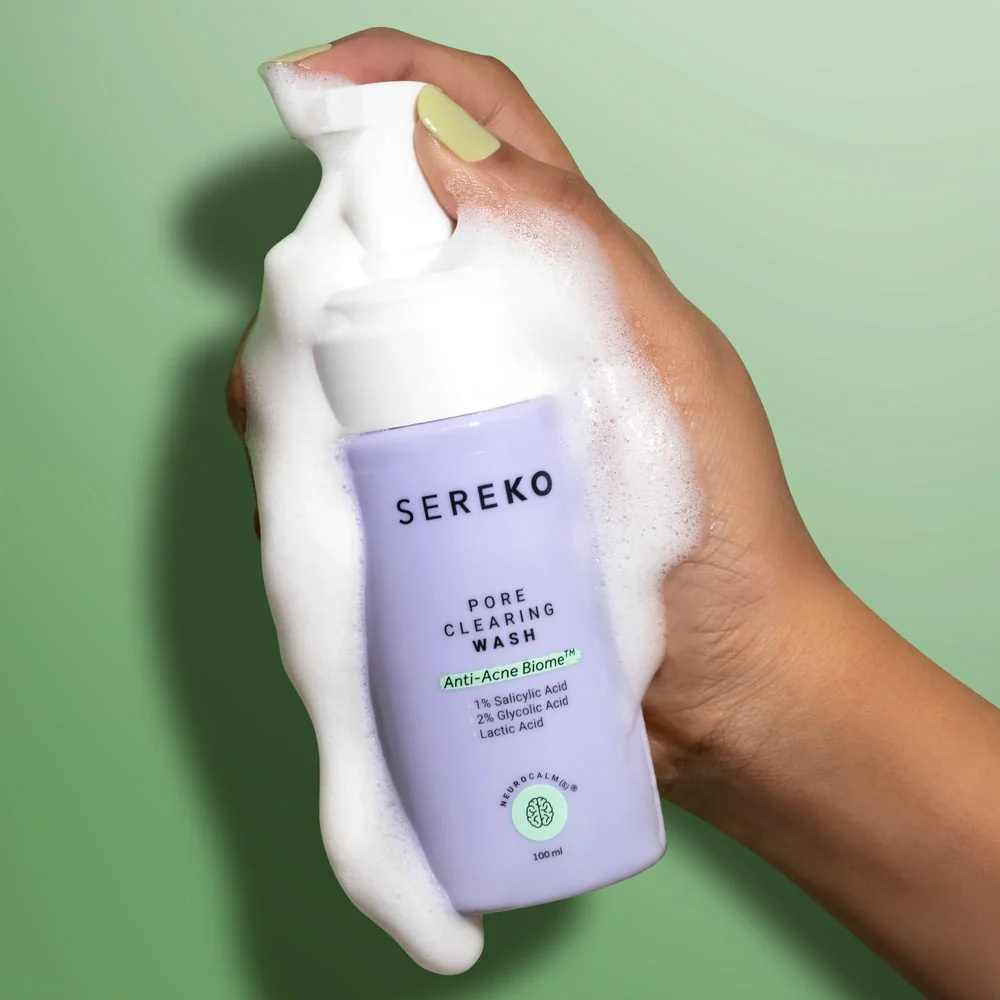
SEREKO’S Pore Clearing Wash, formulated with 1% salicylic acid, 2% glycolic acid, and lactic acid, effectively treats active acne, regulates sebum production, and unclogs pores. Regular use can smooth out bumps, lighten pigmentation, and improve barrier function.
For better results, follow up with SEREKO’s Clear Corrective Serum, which combines powerful actives, like 2% encapsulated salicylic acid and 3% azelaic acid, to fight acne-causing bacteria and reduce redness, blackheads, and inflammation.
Takeaway
There’s no magic formula to treat stress breakouts. It requires a balanced approach to improve skincare, dietary habits, and sleep cycle to get effective results. However, understanding the impact of stress on skin and identifying triggers is the first step you can take for better skincare.
Recommend0 recommendationsPublished in Uncategorized