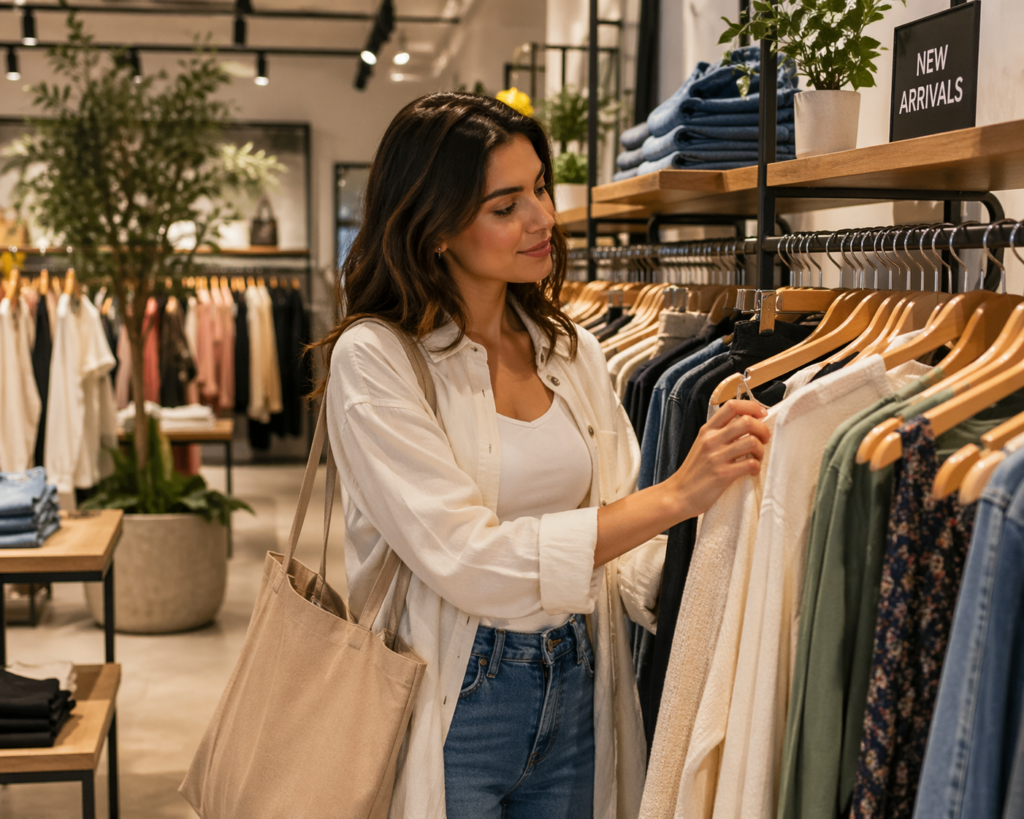
Fashion has always been about more than just clothing. It reflects personality, mood, confidence, and the way people want to present themselves every day. That is why fashion brands and platforms work so hard not only to attract attention with fresh collections, trending looks, and creative styling ideas, but also to create a memorable experience for every visitor. In such a competitive space, getting someone to make a first purchase is only one part of success. The real challenge is making that customer want to return again.
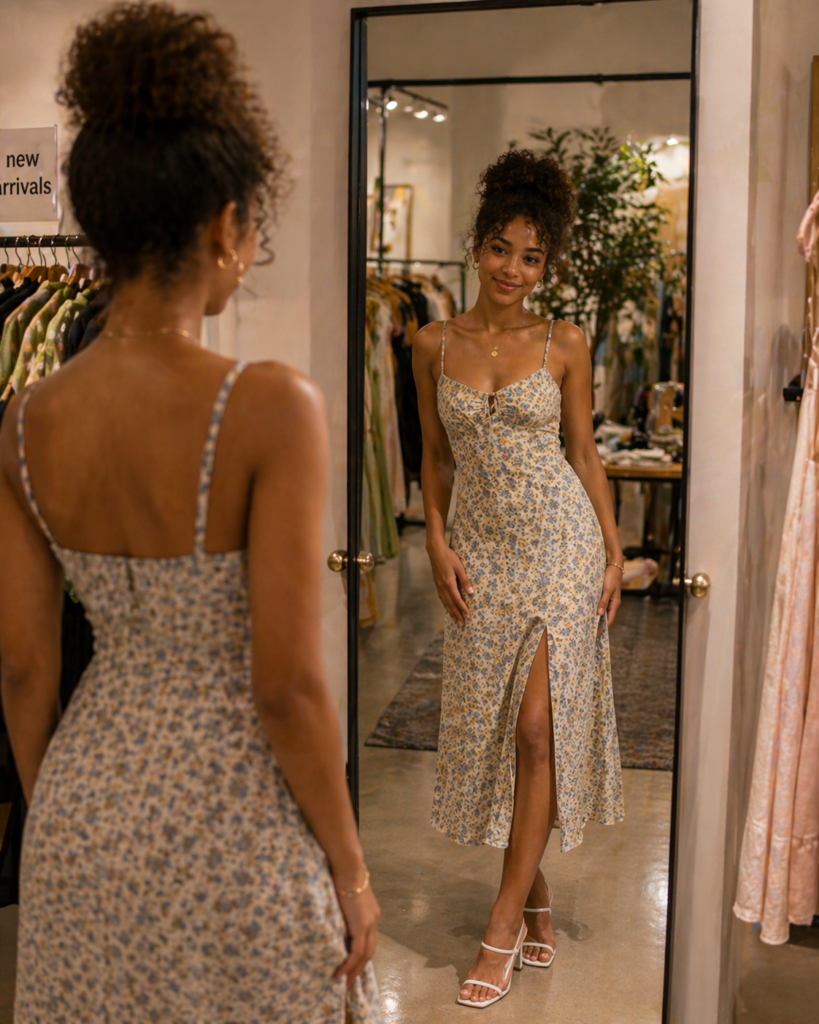
Many fashion businesses focus heavily on traffic, seasonal campaigns, and visual presentation, which is important, of course. But long-term growth usually depends on something deeper: how well a brand keeps its audience engaged after the first interaction. When shoppers receive relevant offers, personalized recommendations, and useful follow-up communication, they are far more likely to stay connected to the brand over time. That is exactly why more ecommerce businesses are looking for smarter ways to improve customer lifetime value instead of chasing only short-term sales.
For fashion brands especially, loyalty can become one of the strongest drivers of stable revenue. A customer who comes back for new arrivals, recommends the store to friends, or responds positively to email campaigns is much more valuable than a one-time buyer. Building that kind of relationship takes consistency, good timing, and a clear understanding of what your audience actually wants. When done right, it turns a simple purchase into an ongoing connection between brand and customer.
One of the most effective ways to strengthen that connection is through personalization. Modern shoppers are surrounded by endless options, so generic messaging often gets ignored. Customers respond better when a brand remembers their preferences, browsing history, favorite categories, or previous purchases. Recommending products that match their style or notifying them when similar items arrive can make communication feel relevant instead of intrusive. Personalization helps customers feel understood, which naturally increases trust and engagement.
Another important factor is consistency across every touchpoint. From the website experience to checkout, delivery updates, social media responses, and post-purchase emails, every interaction shapes how people view the brand. If the shopping journey feels smooth and reliable, customers are more likely to return with confidence. On the other hand, confusing navigation, slow support, or inconsistent messaging can quickly weaken interest. Strong retention often comes from many small positive experiences rather than one dramatic campaign.
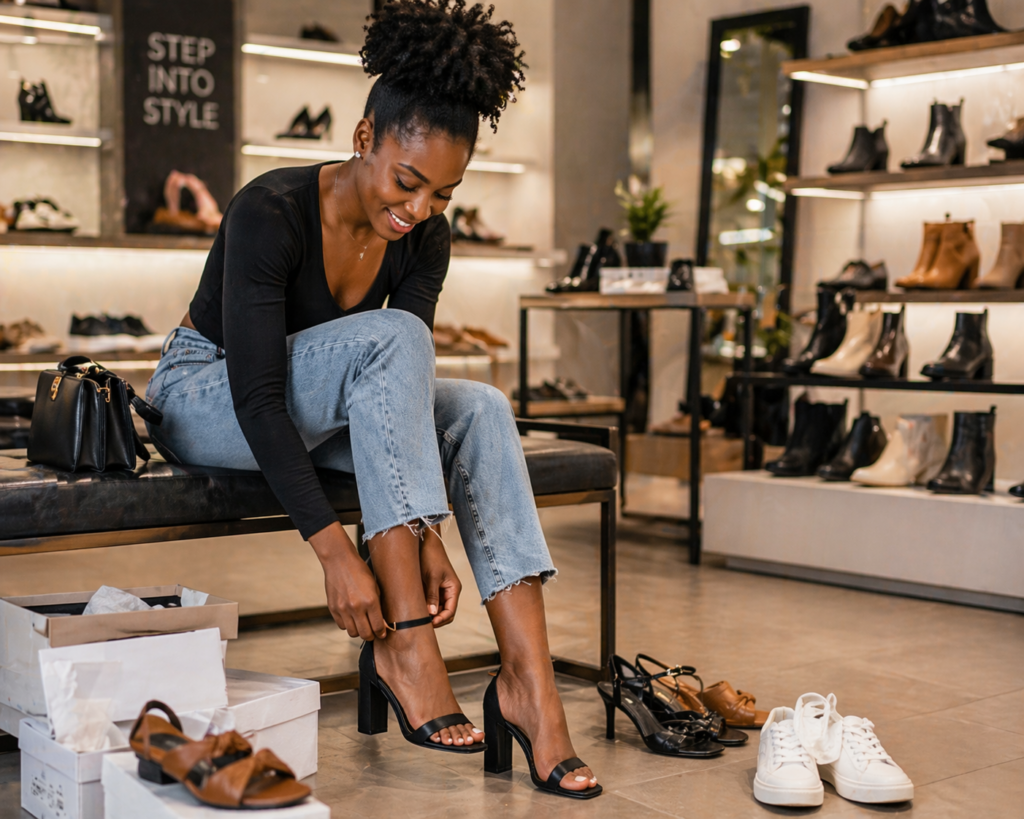
Fashion brands can also benefit from building a sense of community. People do not only buy clothes; they buy inspiration, identity, and belonging. Brands that create style guides, user-generated content, loyalty clubs, or interactive social spaces give customers reasons to stay involved between purchases. Featuring real customers, encouraging reviews, or sharing styling tips can transform a store from a simple retailer into a trusted lifestyle destination.
Timing also plays a major role in repeat business. Reaching out too often can overwhelm customers, while disappearing completely can cause them to forget the brand. Successful businesses learn when to send reminders, launch announcements, birthday offers, restock alerts, or seasonal recommendations at moments when customers are most likely to respond. Thoughtful timing makes marketing feel helpful instead of pushy.
Ultimately, the brands that grow sustainably are the ones that understand relationships matter as much as products. Great designs may attract attention, but lasting loyalty is built through relevance, trust, service, and consistent value. When fashion businesses focus on nurturing existing customers as much as finding new ones, they create stronger revenue, better brand advocacy, and a more resilient future.
Recommend0 recommendationsPublished in Uncategorized