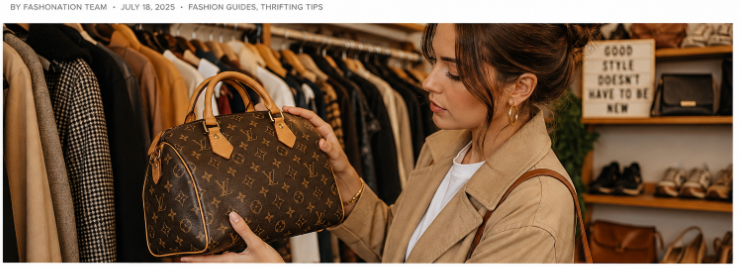
There’s nothing quite like the excitement of discovering a hidden designer treasure while thrift fashion shopping, vintage boutique, estate sale, or online thrift marketplace. Whether it’s a timeless Chanel jacket, a Louis Vuitton handbag, or a pair of Gucci loafers tucked away on a forgotten shelf, finding luxury fashion at a fraction of the retail price is every fashion lover’s dream.
But as the popularity of secondhand fashion continues to grow, so does the number of counterfeit designer items circulating in the resale market. Today’s replicas are more convincing than ever, making it difficult for even experienced shoppers to tell the difference between authentic luxury pieces and well-made fakes.
The good news? You don’t have to be a professional authenticator to shop smarter. By learning a few key details, you’ll dramatically improve your chances of spotting genuine designer fashion while avoiding costly mistakes.
Start with the Overall Quality
Luxury brands have built their reputations on exceptional craftsmanship. Before looking at logos or labels, simply examine how the item is made.
Authentic designer pieces typically feature:
Straight, even stitching
High-quality leather or premium fabrics
Heavy, durable hardware
Clean edges and professional finishing
Symmetrical construction
If something feels flimsy, poorly sewn, or cheaply made, there’s a good chance it isn’t authentic.
Remember, luxury brands spend years perfecting their craftsmanship. Counterfeit manufacturers often focus on appearance while cutting corners on materials and construction.
Inspect the Brand Label Carefully
One of the easiest ways to identify a fake is by examining the brand’s label.
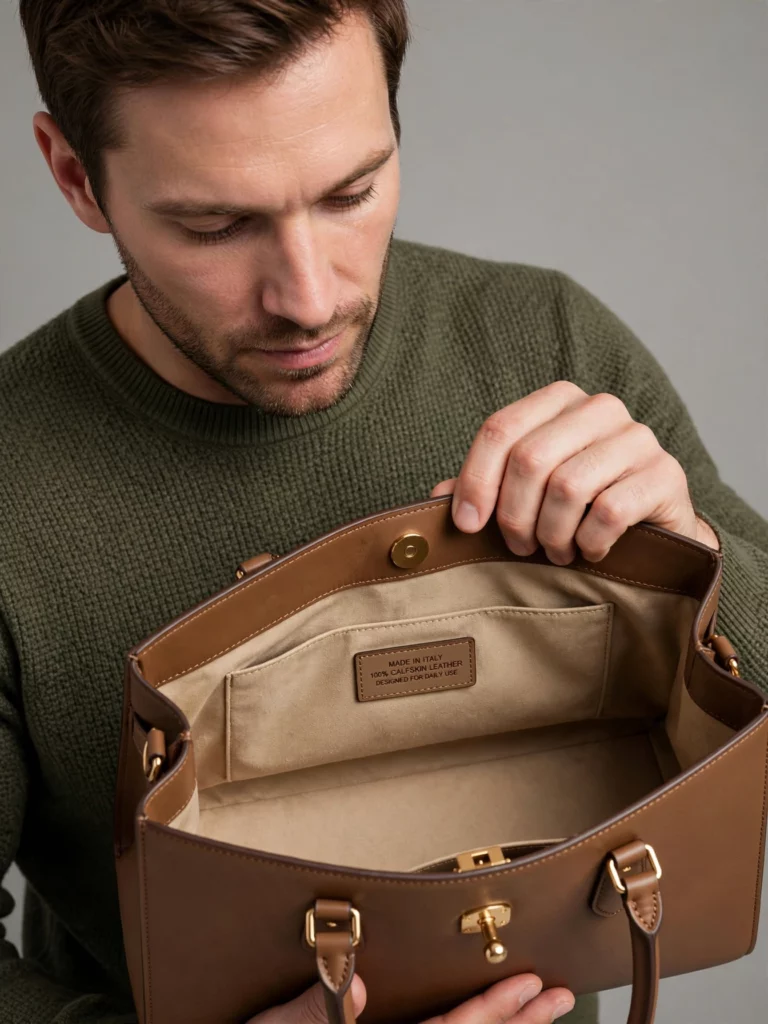
Look closely for:
Misspelled brand names
Uneven lettering
Incorrect font styles
Crooked stitching around labels
Labels that appear glued instead of sewn
Every luxury fashion house has very specific branding standards. Even subtle differences in spacing, lettering, or placement can be warning signs.
If you’re unsure, pull up photos of the authentic item online and compare every detail.
Examine the Hardware
Luxury brands rarely use lightweight or inexpensive metal hardware.
Zippers, buckles, snaps, and clasps should feel solid and substantial.
Many designer brands engrave their logos directly into metal hardware with crisp, clean lettering. Blurry engravings, peeling finishes, or rough edges often indicate a counterfeit.
Pay close attention to:
Zipper pulls
Buttons
Rivets
Buckles
Chains
Magnetic closures
Quality hardware is one of the biggest differences between authentic luxury goods and replicas.
Feel the Materials
Designer brands invest heavily in premium materials.
Real leather should feel soft, supple, and natural—not plastic-like or overly stiff. Cashmere should feel luxurious, silk should drape beautifully, and wool should have a rich texture.
Counterfeit items often imitate the appearance of luxury materials but fail to match the feel.
Don’t be afraid to gently handle the item. Texture can tell you far more than appearance alone.
Check the Stitching
Luxury craftsmanship is remarkably consistent.
Look for stitching that is:
Perfectly straight
Evenly spaced
Tight without loose threads
Consistent around corners and seams
Uneven stitches, skipped sections, or loose thread ends are all red flags.
Many designer bags are famous for having an exact number of stitches per inch—a level of consistency that’s difficult for counterfeit manufacturers to reproduce.
Research Serial Numbers and Date Codes
Many luxury brands include serial numbers, date codes, authenticity labels, or NFC technology to help verify authenticity.
However, don’t assume that the presence of a serial number automatically means an item is genuine.
Counterfeiters frequently copy serial numbers from authentic products.
Instead, verify:
The format
Placement
Font
Production date
Whether the code matches the specific model
Several online authentication resources can help you compare these details.
Know the Brand’s Signature Details
Every luxury fashion house has unique design characteristics.
For example:
Louis Vuitton carefully aligns its monogram patterns.
Gucci uses very specific fonts and hardware finishes.
Prada often features distinctive interior labels.
Burberry’s plaid follows precise color and spacing guidelines.
Dior’s stitching and quilting patterns remain highly consistent.
Before shopping, spend a few minutes learning the signature features of the brands you’re hoping to find.
Knowledge is one of the best defenses against counterfeit fashion.
Be Skeptical of Deals That Seem Too Good
Finding a designer bargain is exciting—but unbelievable prices should raise questions.
If a seller claims a nearly new luxury handbag worth thousands of dollars is authentic but offers it for only a few dollars without explanation, proceed carefully.
While incredible thrift finds do happen, they’re relatively rare.
Ask yourself:
Does the quality match the brand?
Does the story make sense?
Is there any proof of authenticity?
Trust your instincts.
Buy From Reputable Resale Sources
Many consignment stores and luxury resale platforms authenticate items before selling them.
Shopping through trusted sellers can provide extra peace of mind, especially when purchasing expensive designer goods.
If you’re buying online, request detailed photographs showing:
Interior labels
Stitching
Hardware
Date codes
Serial numbers
Corners and edges
The more information you have, the better your decision will be.
Final Thoughts
Thrift shopping is more than just a way to save money—it’s a sustainable way to build a unique wardrobe filled with timeless fashion. With patience, careful observation, and a little research, you can uncover incredible designer pieces that might otherwise go unnoticed.
Authenticating luxury fashion isn’t about memorizing every serial number or becoming an expert overnight. It’s about slowing down, paying attention to quality, and knowing what genuine craftsmanship looks like.
The next time you’re browsing a thrift store, remember that your greatest tool isn’t luck—it’s knowledge. And who knows? Your next visit could uncover the designer treasure you’ve been dreaming of.
Recommend0 recommendationsPublished in Uncategorized