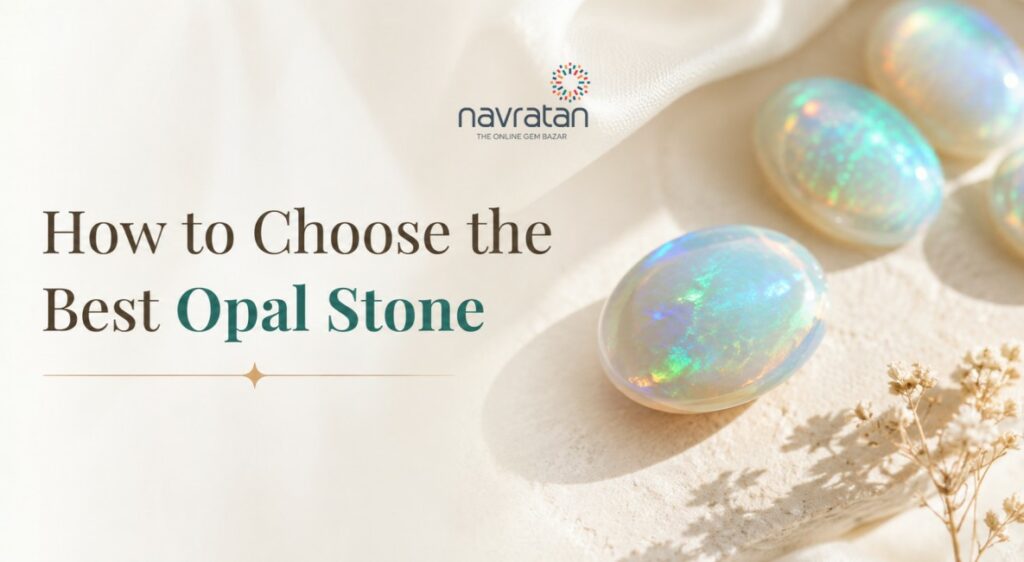
Opal is among the most captivating gemstones that exist, loved for its captivating play of hues that display flashes of green, blue, orange. And violet. Each opal stone is distinctive, which makes it a favourite for jewelry and gemstone collectors, enthusiasts, and people who believe in its astrological significance. However, selecting the right opal stone is more than just selecting the one with the most vibrant shades. Becoming aware of its quality, origin, as well as its authenticity and application will allow you to make an informed decision.
In this article, we’ll take you through the main aspects to take into consideration when selecting the ideal gemstone opal.
1. Understand the Different Types of Opal
When you are looking to purchase a gemstone made of opal, it’s important to be aware that different opals may not be the same. Different kinds of opals have distinctive appearances and value.
White Opal: It has a milky or light body tone and vibrant flashes.
Black Opal: The most sought-after and rarest type, well-known for its dark background that helps to enhance the impact of the color.
The Fire Opal: The most well-known for its vibrant yellow, orange, or red body color, occasionally without or with color play.
Boulder Opal: naturally forms inside ironstone, forming stunning patterns and durability.
Crystal Opal: It is semi-transparent to translucent and has amazing color play.
Selecting the best option will depend on your financial budget, style, and the purpose of your purchase, whether you are looking for jewelry, collecting or for astrology.
2. Look for Vibrant Play of Color
The main characteristic of a natural opal stone is its stunning display of hue. High-quality opals show bright, vibrant flashes, which change color when the stone moves.
- When you are evaluating an opal, be attentive to:
- Colors that are bright
- The number of colors visible
- The distribution of color across the stone
- Pattern coherence
Opals with a wide range of shades with outstanding brightness are usually considered to be superior to stones with lackluster or limited display of colors.
3. Check the Body Tone
Body tone is the color of the base of the gemstone. It has a significant impact on the gemstone’s overall appearance and value.
- Darker body tones in the dark create a stronger contrast of color.
- Light body tones produce a softer appearance.
- Transparent body tones add brilliance and depth.
Your choice should be in line with the fashion of jewelry you’re planning to wear; however, darker shades usually have a greater price.
4. Examine Clarity and Surface Quality
Opals, unlike diamonds, are judged differently on clarity. Minor natural inclusions are acceptable; however, the stone should be:
- No minor visible cracks
- No large fractures
- Smooth polished surface
- Good Transparency (where appropriate)
Avoid stones that have obvious damage. Opals are comparatively soft compared to other stones and are more prone to wear.
5. Verify Authenticity
Since opals are extremely sought-after, synthetic, treated imitation stones are accessible in the market. Finding a reputable stone dealer is vital.
Always be on the lookout for:
- Accreditation from a respected gemological laboratory
- Treatments that are clearly disclosed
- Natural Origin confirmation
- Transparent information about the seller
A natural and certified opal gives the confidence of authenticity.
6. Consider the Stone’s Origin
Origins of opals can influence their rarity, appearance, and worth.
The most well-known sources are:
- Australia is renowned for its premium-quality white, black, and boulder Opals.
- Ethiopia: A popular destination for its crystals and hydrophane Opals with vivid color play.
- Mexico is famous for its stunning fire Opals.
- Brazil produces attractive crystal and white Opals.
While the origin of a product can affect pricing, overall quality should be the primary factor to consider.
7. Choose the Right Shape and Cut
The cut of the opal influences its beauty as well as its durability.
Cuts that are popular include:
- Oval
- Round
- Pear
- Cushion
- Freeform cabochons
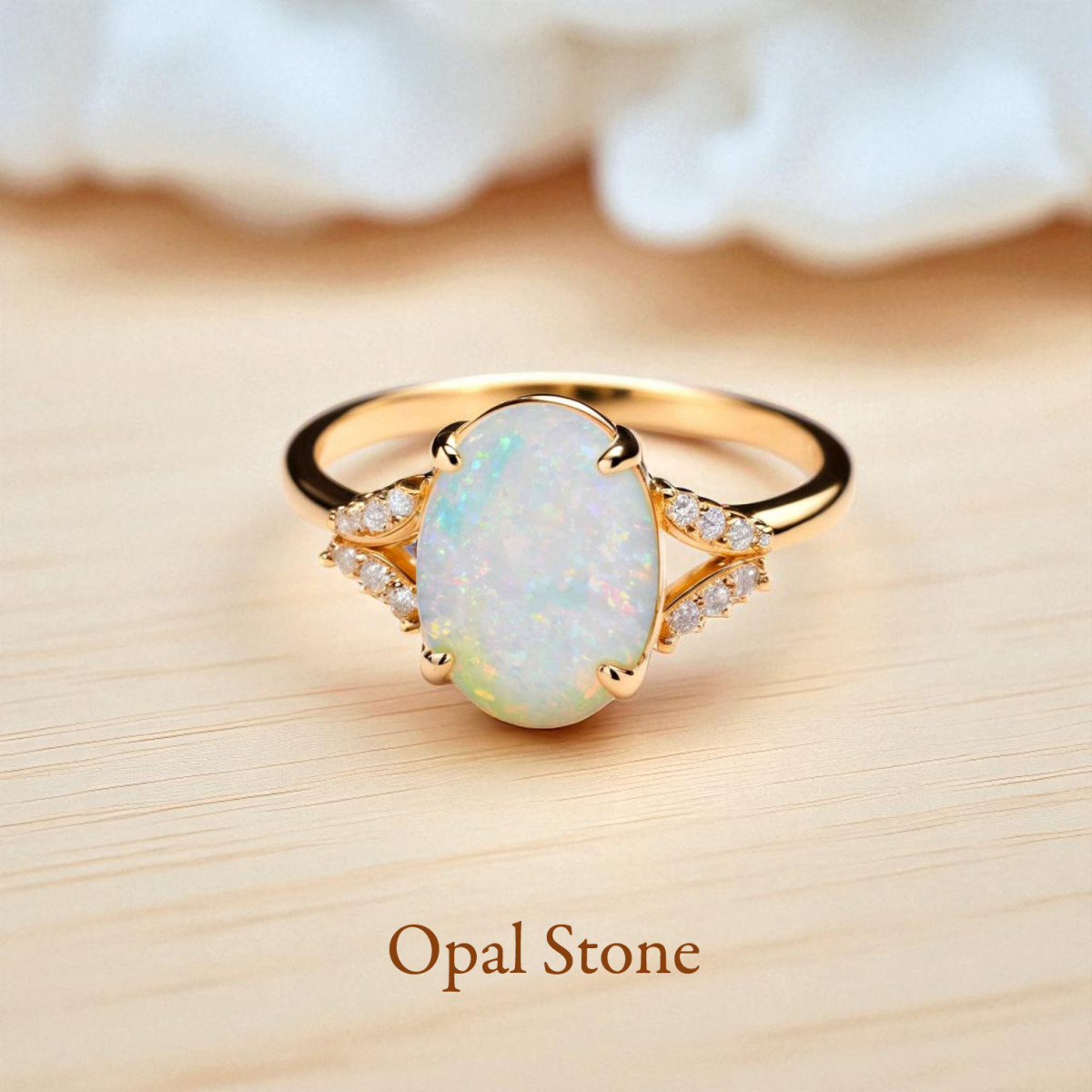
The majority of opals are cut into cabochons due to the smooth dome that best shows their natural play of color. A stone that is well cut should be balanced in proportions and even polished.
8. Match Your Purpose
You should think about the reasons you’re buying an opal stone.
- Jewelry: Select a durable stone with high polish and vibrant shades.
- Astrological Application: Follow expert guidance regarding quality, weight, and recommendations for wearing.
- Investment: Focus on rare kinds with exceptional color play and the ability to be certified.
- Collection Search for exclusive patterns, unique origins, and exquisite workmanship.
The process of selecting the perfect stone is easy once you understand the purpose for which it was designed.
9. Compare Prices Carefully
Prices for Opal differ significantly based on
- Type
- Color play
- Brightness
- Origin
- Size
- Certification
- Overall good quality
Do not base your decision only on the price. An authentic, high-quality gemstone like opal is a great natural gemstone. Investing in quality usually results in more long-term satisfaction.
Final Thoughts
Selecting the most suitable opal gemstone requires patience, understanding, and a careful assessment. Through understanding the various types of opals and their colors, confirming authenticity, evaluating their quality, and purchasing from a reliable source, you will be able to pick a stone that is suitable for your preferences and style.
If you’re in search of a genuine natural gemstone called an opal, Navratan provides an exclusive selection of genuine stones procured with care and backed by an authentic certification. If you’re buying for the purpose of astrology, fine jewelry, or a collection for yourself, selecting a genuine gemstone will provide you with long-lasting beauty, value, and confidence in the investment you make.
Recommend0 recommendationsPublished in Uncategorized