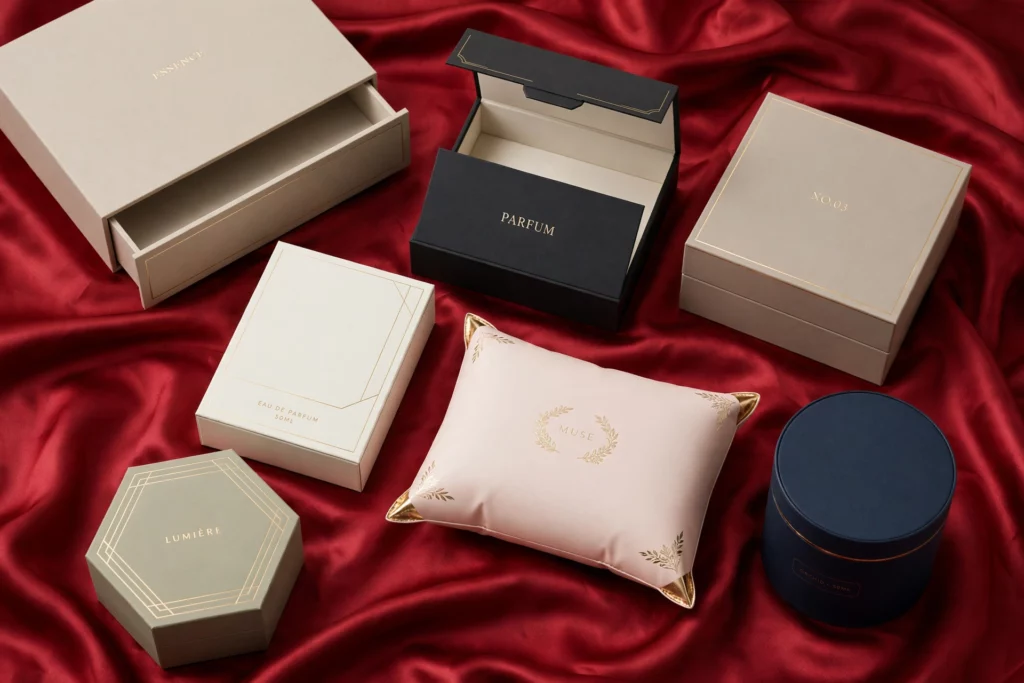
Fragrance shoppers often judge a product before they smell it. That first opinion begins with perfume boxes on a shelf or screen. For that reason, packaging must communicate value within seconds. It must also protect glass bottles during storage, shipping, and retail handling. Strong design connects the scent, audience, price, and brand promise. Buyers understand what makes the fragrance worth choosing. Canadian brands also face crowded displays and busy online marketplaces. Every visible detail needs a clear purpose. Good custom perfume boxes can build trust without relying on loud claims. A well-planned structure reduces damage and supports a smoother unboxing moment. This guide shares seven useful design ideas for new and established fragrance brands. Each idea balances appearance, function, cost, and customer expectations. Together, these choices can turn a simple container into a persuasive brand asset. Start with your buyer, then shape every decision around that person’s needs and daily habits.
1. Let Your Brand Story Guide Every Choice
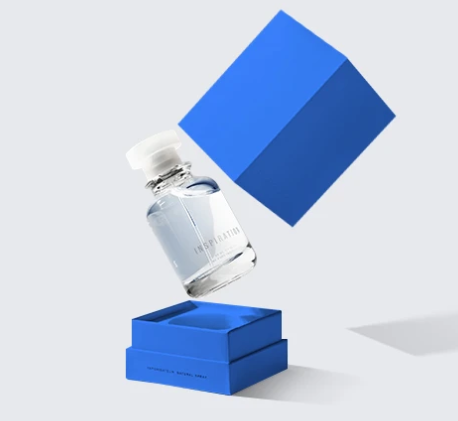
Image Credit: Urgent Boxes
A strong box begins with a focused brand story. First, define the feeling your fragrance should create. A fresh daytime scent may need clean lines and bright accents. By contrast, an evening blend may suit deeper colors and softer finishes. Next, choose two or three visual cues that repeat across the package. These cues may include a symbol, pattern, color, or short message. Because of this repetition, customers can recognize your products more quickly. Keep the front panel simple so the name remains easy to read. Then place supporting details on the sides or back.
Brands can study custom lingerie boxes for a useful lesson in emotional storytelling. That category often balances confidence, privacy, and gift appeal through careful design. In the same way, a fragrance box should reflect the buyer’s desired identity. Still, avoid copying common luxury signals without a clear brand reason. Original direction creates stronger memory and supports future product lines and matching scent collections.
2. Pick Materials That Protect Every Bottle
Material selection affects protection, price, print, and customer perception. Begin with the bottle’s weight, shape, and weak points. Then choose board strength that prevents crushing during common shipping conditions. For example, rigid paperboard suits high-priced perfume gift boxes and limited releases. Folding cartons may serve lighter products or larger production runs. Corrugated inserts can secure heavy glass without changing the outer look. Ask your supplier to test the fit before full production begins. Consider humidity, warehouse stacking, and parcel movement across the United States.
A beautiful box fails when a loose bottle strikes its walls. As a result, the insert deserves as much attention as the exterior. Premium lingerie packaging offers another useful comparison. It often combines firm support with a soft, refined presentation. Fragrance brands can apply that balance without adding wasteful layers. Finally, request samples using the actual bottle, cap, and sprayer. Real samples reveal pressure points that screen drawings cannot show during an early review.
3. Use Color and Type With a Clear Purpose
Color creates mood quickly, while typography gives the brand a voice. First, limit the main palette to two or three colors. A focused palette improves recognition and keeps perfume boxes from looking crowded. Next, select typefaces that remain readable at retail size. Thin letters may disappear on textured stock or small panels. For that reason, test every label under common store lighting. Also check the design on phone screens because many Canadian customers shop online. Strong contrast helps names, scent notes, and sizes stay visible.
Foil, embossing, or spot gloss can guide attention toward one key element. Use these finishes sparingly, since too many effects weaken the visual order. Printed lingerie packaging follows a similar rule. Its best designs use color and type to suggest quality without confusing the buyer. Likewise, fragrance packaging should communicate quickly and honestly. Finally, print a physical proof before approving production. Screens can hide color shifts, weak contrast, and small-text problems during final reviews.
4. Choose a Box Structure Buyers Remember
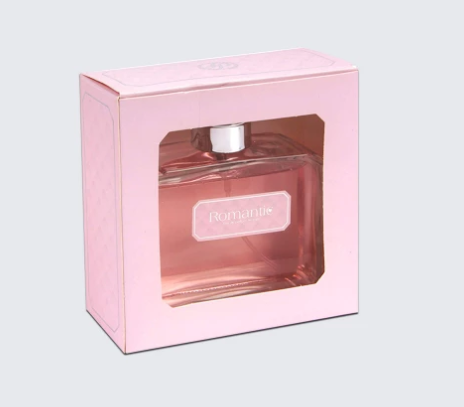
Image Credit: Urgent Boxes
Box structure can create interest before graphics do any work. First, match the opening style to the price and sales channel. A tuck-end carton gives everyday products a familiar, practical format. By comparison, a drawer box creates a slower reveal for premium launches. Magnetic closures can feel substantial, but they may raise costs and recycling concerns. Choose them only when they support the product promise. Window cutouts show the bottle, yet they can reduce privacy and protection. Shaped inserts can center the bottle and prevent movement. Custom lingerie packaging provides useful structure ideas, including drawers, sleeves, and reusable keepsake boxes. Fragrance teams can adapt those forms while respecting bottle weight and shipping needs. All make the box easy to open without tools. Frustrating tabs can damage nails, tear panels, or create poor reviews. As a result, simple opening cues often improve customer satisfaction. Before production, test the structure with several people who have never seen it before.
5. Create an Unboxing Moment Buyers Recall
Unboxing gives online fragrance brands a direct moment with the customer. First, plan the order in which buyers see each message. The exterior should confirm the brand, while the interior should reward attention. For example, print a brief scent story beneath the lid. Then add simple guidance for storage, use, or recycling. Perfume gift boxes may also include a sample card or gift note area. These small choices support gifting without making the package feel busy. Tissue, ribbons, and extra inserts can raise labor and shipping costs. Use each component only when it adds clear value. A fitted insert often creates more impact than several loose decorations. Keep social sharing in mind without forcing it. Clear lighting contrast and a clean reveal can produce better customer photos. As a result, genuine posts may extend the package’s reach. Finally, test the full opening sequence after shipping. A design may look polished at the factory but arrive misaligned, scratched, or scuffed.
6. Make Responsible Material Claims Clearly
Many buyers expect responsible packaging, but vague claims can reduce trust. First, remove material that does not protect, inform, or support the experience. Then choose recyclable paperboard where performance allows it. Avoid mixed components when they make local recycling difficult. For example, plastic windows, foam, magnets, and laminated layers may need separate handling. Ask suppliers for clear material details before approving the design. Al print disposal instructions in plain language on the box.
Canadian recycling rules vary, which means broad claims may mislead customers. Instead, tell buyers which parts separate and where they should check locally. Lower package weight can reduce shipping costs and material use. Smaller dimensions may also improve case packing and warehouse space. Brands ordering perfume boxes wholesale can gain major savings from even small size changes. As a result, responsible choices and cost control can support each other. Finally, document every environmental claim and review it before printing. Clear proof protects credibility and helps buyers make informed choices.
7. Prepare Artwork for Reliable Print Quality
A creative concept only works when production matches the approved design. First, request the printer’s artwork template before building final files. That template shows folds, cut lines, safe areas, and glue zones. Keep logos and required text away from edges. Next, define colors with print-ready values rather than screen-only references. Al confirm whether special finishes need separate artwork layers. Missing details can delay production or create expensive errors. barcodes, ingredient lists, warnings, and net contents require enough space. US brands should review applicable labeling needs before final approval. Then order a printed sample using the chosen stock and finishes. A plain white sample can confirm size, but it cannot prove color or coating quality. For that reason, approve both structure and print before a large run. Custom lingerie packaging teams often use similar checkpoints across seasonal collections. Fragrance brands can follow that disciplined process for consistent perfume boxes. Finally, store approved references for future reorders and supplier comparisons.
Check These Details Before Production Begins
Before approving a supplier, turn the design into a practical production checklist. First, record the bottle dimensions, filled weight, and cap height. Next, confirm board thickness and insert fit with a real sample. Al compare color proofs under store, office, and natural light. Check every line of text for spelling, size, and required product information. Test barcodes on printed samples rather than screen previews. Run a shipping trial using the final bottle and outer carton. Afterward, inspect corners, closures, coatings, and interior surfaces for damage.
Ask the supplier how it controls color and placement between production runs. Then review the unit price, setup charges, freight, storage, and minimum quantities. Lower unit costs can hide higher total expenses. Finally, approve one dated sample and keep it as the production standard. This process helps perfume packaging remain consistent across launches, retailers, and future orders. It also gives both teams a clear reference when questions arise.
- Exact bottle measurements and filled weight
- Insert grip without pressure on the sprayer
- Readable brand, scent, and legal information
- Clean folds, corners, coatings, and closures
- Passed drop, vibration, and shipping tests
- Confirmed costs, timing, and reorder terms
- Build Better Boxes With a Focused Design Plan
Great perfume boxes unite brand meaning, bottle protection, buyer convenience, and production control. Start with a clear customer, then choose materials and structure around real use. Next, use color, type, and finishes to support one consistent message. Test each idea with the bottle, shipping carton, and likely sales channel. As a result, the final package can look polished and perform reliably. Urgent Boxes Canada offers custom packaging solutions for all products with low MOQs, premium finishing, and free shipping across Canada. Canadian fragrance brands should also compare samples, minimum orders, lead times, and quality controls. A supplier that makes custom cardboard boxes in Canada may offer useful regional options for Canadian distribution. Still, brands should judge every partner by testing, communication, compliance, and repeatable results. Avoid decorative extras that add cost without helping the product or buyer. Instead, invest in secure inserts, readable information, clean artwork, and an easy opening process. With these seven ideas, brands can build packaging that earns attention and supports repeat purchases. Careful planning turns each box into a practical sales tool.
Recommend0 recommendationsPublished in Uncategorized