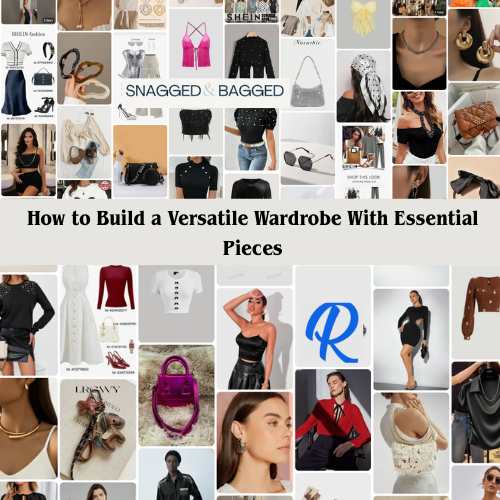
A versatile wardrobe makes getting dressed easier because every piece has a purpose and can work with several different outfits. Instead of filling your closet with items that only suit one occasion, focus on clothing that can be mixed, matched, layered, and styled throughout the year. From everyday clothing essentials to reliable shoes and accessories, thoughtful choices can create a wardrobe that feels practical without sacrificing personal style.
Start With Everyday Clothing Essentials
The foundation of a versatile wardrobe is made up of simple pieces that can be worn regularly. Comfortable T-shirts, fitted tops, casual shirts, neutral trousers, jeans, and easy layering pieces can form the basis of countless outfits. Neutral shades such as black, white, beige, navy, grey, and denim are particularly useful because they coordinate easily with stronger colors and patterns.
When choosing everyday clothing essentials, consider your lifestyle rather than following every fashion trend. Someone who spends most of the week in casual settings may benefit from more relaxed tops and denim, while someone working in an office may need polished shirts, trousers, and smart dresses. The goal is to build around the clothes you actually wear.
Choose Jackets That Work Across Outfits
A good jacket can change the character of an outfit while adding another layer for changing weather. A denim jacket can complement dresses, skirts, jeans, and casual tops, while a structured blazer can make everyday clothing look more polished. Lightweight jackets are useful during transitional seasons, whereas warmer outerwear becomes important when temperatures drop.
When selecting a jacket, pay attention to color, fit, and versatility. A timeless silhouette is usually easier to style than an overly distinctive design that only works with a few outfits.
Build Around Jeans, Tops, and Dresses
Jeans are among the most adaptable pieces in a wardrobe. Straight-leg, wide-leg, slim, or relaxed styles can all work depending on your personal preference. The important factor is choosing a fit that feels comfortable and complements the rest of your closet.
Tops provide another opportunity to create variety. Basic T-shirts can be paired with jeans for casual outfits or layered under jackets for a more finished appearance. Button-down shirts can move between casual and smart settings, while textured or patterned tops can add personality.
Dresses can also serve multiple purposes when styled differently. A simple midi dress may work with sneakers during the day and become more polished with boots, jewelry, or a structured jacket. Choosing uncomplicated silhouettes makes dresses easier to adapt across occasions and seasons.
Find Shoes and Accessories That Add Flexibility
Shoes influence the overall feel of an outfit, so having a few versatile styles can make a significant difference. Clean sneakers can complement jeans, dresses, and casual trousers, while ankle boots can add structure during cooler months. A pair of comfortable flats or loafers can provide a practical option for work and everyday activities.
Accessories should work in a similar way. A neutral handbag, everyday belt, simple jewelry, sunglasses, and a versatile scarf can refresh familiar clothing without requiring an entirely new outfit. Accessories are also an easy way to introduce color or personal style into a wardrobe built around neutral basics.
Adapt Your Wardrobe to the Seasons
A versatile wardrobe should change with the seasons without needing to be completely replaced. Lightweight tops, breathable dresses, and lighter footwear can become staples during warmer months, while sweaters, jackets, boots, and layered pieces can take their place when temperatures fall.
Seasonal wardrobe planning also helps prevent unnecessary purchases. Instead of buying several new pieces whenever the weather changes, consider which existing items can be layered or restyled. A summer dress, for example, can often be worn with a jacket and boots during cooler weather.
Use Styling Tips to Create More Outfits
Versatility comes from styling as much as it does from the clothing itself. Try changing one element of an outfit at a time. A casual jeans-and-top combination can look different with a blazer, statement accessories, or a change of footwear. Layering can also create new proportions and make familiar pieces feel fresh.
Color coordination is another useful styling technique. Building outfits around a small group of complementary colors makes it easier to combine pieces without spending too much time deciding what works together.
Balance Quality and Price
Building a wardrobe does not mean buying the most expensive clothing available. Instead, consider quality, durability, comfort, and how frequently you expect to wear an item. Spending more on a jacket, shoes, or jeans that you will use regularly may make sense, while inexpensive seasonal pieces can provide variety without becoming major investments.
The best value comes from clothing that earns repeated wear. Before purchasing something, think about whether it works with several pieces already in your wardrobe and whether you can imagine wearing it in different settings.
Choose Versatile Pieces With Purpose
A successful wardrobe is not necessarily a large one. It is a collection of pieces that support your lifestyle and work together naturally. Before adding something new, consider its fit, material, color, comfort, and styling possibilities. If an item can create several different outfits, it is more likely to become a useful part of your closet.
This approach can also make shopping more intentional. When exploring fashion stores, comparing prices and looking for available savings can help you stay within your budget. Resources such as Snagged & Bagged Coupons can be useful when you are ready to shop, but the bigger goal is choosing pieces that genuinely add value to your wardrobe.
Create a Wardrobe That Reflects Your Style
A versatile wardrobe should make personal style easier, not restrict it. Start with dependable essentials, add a few distinctive pieces, and use layers, shoes, and accessories to create variety. By focusing on practicality, quality, and flexibility, you can build a closet that works across everyday routines, seasons, and occasions while making each purchase more purposeful.
Recommend0 recommendationsPublished in Uncategorized