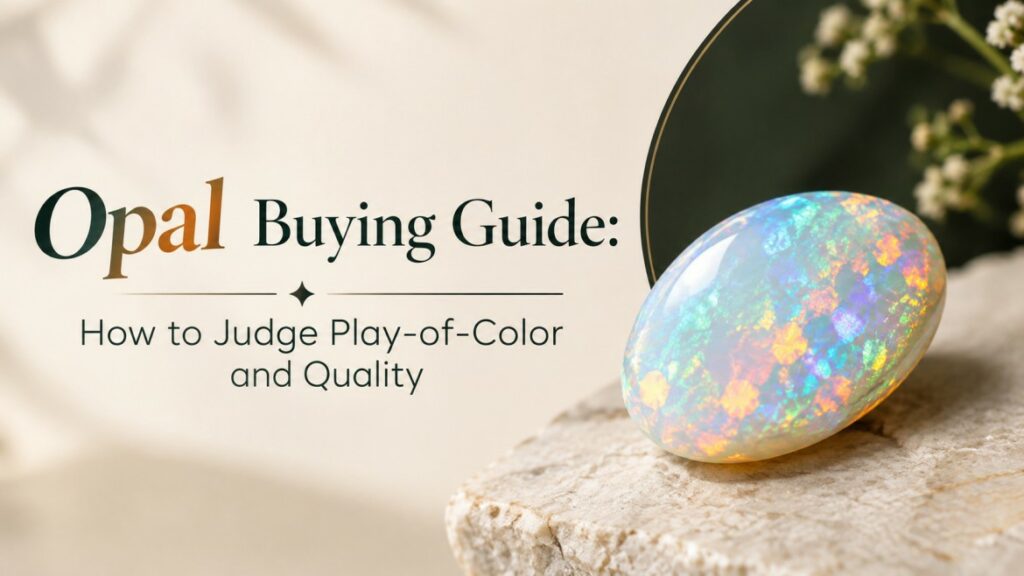
Buying an opal can be exciting, but choosing a quality stone is much more than just searching for a colorful gemstone. The beauty and value of an opal stone are determined by a number of factors, including its play-of-color, body tone, pattern, clarity, size, origin, and treatments. Whether you’re a first-time buyer or a seasoned gemstone buff, knowing these features can help you make a more informed purchase.
This guide will show you how to assess an Opal Stone, understand differences in quality, and make sense of opal stone price before you buy.
What Makes Opals Unique?
The Opal Gemstone is famous for its wonderful play-of-color—the flashes of different colors that are revealed as the stone is turned in the light. Unlike many gems, opal generally does not have one particular color. Instead, it can display mixes of blue, green, yellow, orange, red, and other colors.
The colors result from the interaction of light with microscopic silica structures within the opal. The pattern and intensity of this color are important factors in the stone’s appeal and value.
Play of Color Knowledge
Play-of-color is one of the most important characteristics to consider when buying an opal. Do not judge a stone from one side. Move it slowly in different lights and watch the colors change.
Search for:
Color Range: Opals with a variety of colors can be quite impressive to look at.
Brightness: Bright, vivid flashes are more eye-catching than dull color.
Color distribution: Good, even, attractive color coverage adds desirability.
Pattern: Special patterns such as pinfire, harlequin, or broad flashes can affect appearance and value.
Directional effect: Some opals have a stronger play of color when viewed from specific directions.
Red flashes are often considered particularly desirable, but a beautiful blue or green play-of-color can be quite attractive as well.
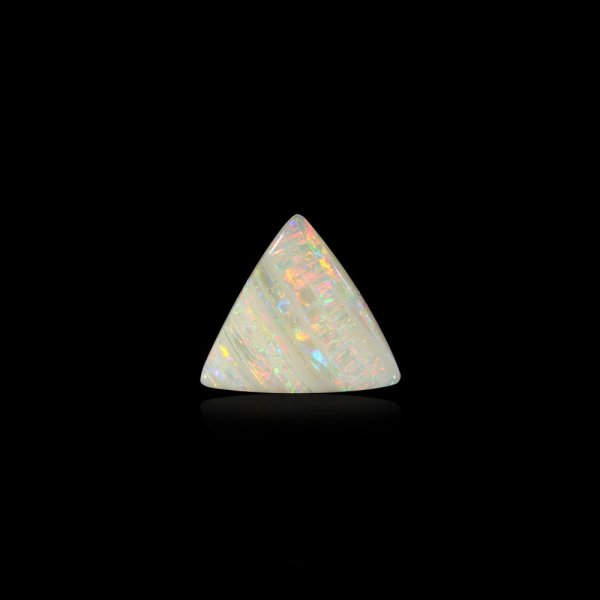
Image Resource: NavratanGemstone
Check the Body Tone
Body tone, the fundamental background color of an opal. The most common categories include light, dark, and black opals.
The dark body of the opal can provide a strong contrast to the flashes of color, making the play-of-color seem particularly vivid. Light opals can seem softer and more delicate.
When you Buy Opal stone, don’t think that a darker body tone always means better quality. The combination of body tone, brightness, pattern, and color is important.
Review Transparency and Transparency
Opals may be opaque or translucent. Depending on the variety, transparency in stone can improve the appearance.
Look closely at the stone for any cracks, crazing, pits, or other structural problems. Fine natural inclusions don’t automatically mean an opal should be rejected, but significant damage can impact durability and value.
A good quality opal should be attractive at normal viewing distances, without major distracting imperfections.
Natural Opal vs. Treated Opal
Check whether the gemstone is natural or treated before buying. Some opals are treated to enhance their appearance; others are manufactured into composite forms such as doublets or triplets.
Ask the seller to fully disclose:
Whether the opal is natural or
Whether it has been treated or not
A solid opal
If it’s a doublet or triplet
The origin of the gemstone stated
This information is especially important when comparing the price of stones.
How Is the Price of Opal Stone Decided?
The Opal stone price can differ greatly because opals vary greatly in quality and appearance. There’s no one price based solely on carat weight.
Factors that are critical to pricing are:
Factorization Why it is Important
Play-of-color Strong, attractive color increases desirability;
Lightness. Vivid flashes seem to be more generally useful
Design Unique designs can be visually appealing
Tone of body Light and dark backgrounds make a difference
Dimension Bigger material can be more rare in quality
Origin Certain origins establish market recognition Treatment
Values of natural and treated materials can be different
So two opals of the same weight may have very different prices.
Things to Know Before Buying Opal Stones
Buy an opal stone and compare several options instead of picking the first colorful gemstone you see. Look at each stone in good light and from different angles.
If you’re buying online, it’s a good idea to ask for clear photos or videos too. Please give precise information on the stone’s size, weight, treatment, origin, and whether the stone is solid or assembled.
If you are buying something expensive, you might want to get an independent gemological report from a reputable laboratory.
Caring for an Opal Gemstone
Opal does require reasonable care as it can be more sensitive to impact and changes in the environment than some of the harder gemstones. Avoid exposing your Opal Gemstone to harsh chemicals, abrasive cleaners, or unnecessary heat.
If needed, wipe it gently with a soft, damp cloth and mild soapy water. Never clean with ultrasonic or steam cleaners unless an experienced professional has told you that the specific opal is safe for that type of cleaning.
Final checklist for buying
Have a look at these things before buying:
Look closely at the play-of-color.
Compare brightness & color coverage
Assess the tone of the body.
Inspect for any large cracks or damage.
Determine if the stone is a solid, a doublet, or a triplet.
Inquire about therapies.
Check the given origin.
Compare prices on similar quality stones.
Request certification on purchases of value.
Buy from a reliable and transparent seller.
Conclusion
Selecting the right Opal Stone is about looking beyond its flash of color. Its beauty and market value overall are determined by play-of-color, brightness, pattern, body tone, condition, structure, treatment, and origin. Knowing these characteristics also helps you evaluate opal stone price easily and avoid comparing stones based on weight only.
If you are looking for an Opal Gemstone for jewelry or collecting, take your time, compare different stones, and ask questions before buying. A little knowledge can go a long way toward locating a beautiful and lasting value opal.
Recommend0 recommendationsPublished in Uncategorized