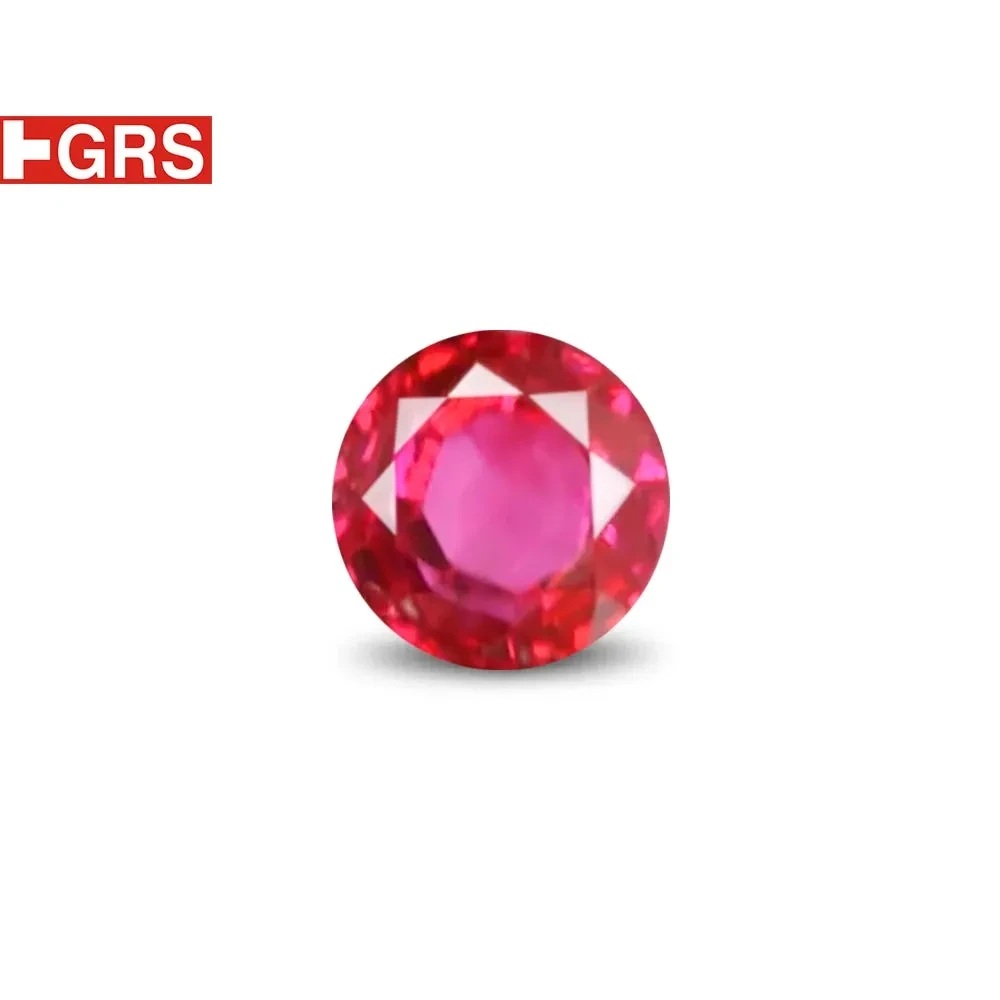
One of the most popular varieties of ruby is the Pigeon Blood Ruby, which is prized for its deep red hues. But, not all rubies called ‘Pigeon Blood’ are the same intensity or color. If the ruby appears darker, a bit purplish, pinkish or less colorful than you were expecting, you might be wondering what you did wrong with this stone.
The color, clarity, treatment, lighting, cut and origin are some of the factors which affect the appearance of a ruby. If you think that your gemstone might be fake or of poor quality, go through these seven reasons.
1. The Ruby May Have a Different Color Tone
Pigeon Blood Ruby is the name that is given to rubies that have a very vibrant red hue; however, rubies can also have variations in tone and saturation.
Due to the natural characteristics of the stone, it can be slightly darker or have subtle secondary hues. Two rubies can therefore be perceptibly different, and both may be natural rubies.
Don’t choose a ruby based solely on photos. Request specifics on its colour, treatment, origin and certification.
2. The light can change the appearance of the painting
The most frequent cause of a dull looking ruby is lighting
Light effects will alter the appearance of gemstones in sunlight, indoor lights, LED lights and warm artificial lights. A bright red ruby in a light that appears bright may look more dull in a different light.
That is why it is best to evaluate gems under proper lighting, instead of just a single picture or a room light.
Don’t assume that a change in the appearance of your Pigeon Blood Ruby is a sign of a problem with the gemstone if it changes in different environments.
3. The Cut May Affect Its Brightness
The cut and proportions of a ruby affect the way light enters and exits the stone.
Light can dribble through the bottom or sides if the cutting is not well balanced. Thereby, even the most natural looking ruby stones may look duller and less lively.
Don’t choose a ruby based on its color alone. A properly cut gemstone may possess improved visual luster and appeal.
4. The Stone may have strong inclusions
The natural rubies often have internal properties called inclusions. Although these can be useful in determining if a gemstone is natural or not, if too many or too many are placed at strategic points, they can alter transparency and the flow of light through a gemstone.
A stone may also look less bright if it has significant inclusions.
But clarity is not a thing for itself to be measured by. The price of Ruby is determined by its color, transparency, size, origin, treatment, and quality.
5. Heat Treatment may affect the appearance.
In fact, a large number of rubies on the market are treated by heat to increase their color and clarity.
However, doesn’t mean a ruby is fake. Buyers, however, should be aware of whether a stone has been treated or not, as treatment can alter its qualities, market value and appropriateness for the intended buyer.
When you are interested in purchasing a ruby that has not been treated or very lightly treated, be sure to ask for the proper laboratory report documentation, and not only a description from the seller.
6. Your Ruby May Not Meet the Expected Color Grade
Expectations can be very high when you hear the term “Pigeon Blood. But, the definition of ruby colour may differ from one laboratory to the next, and may also differ from one grading method to the next and from one market to the next.
The actual colour of a ruby could be different from what the buyer was expecting and the colour might be described as one thing but the ruby could be another.
This is why it’s helpful to have an independent gemstone report. A good lab report will offer details if the stone is a natural stone, has been treated and if it has been treated, it will tell you what treatments the stone has received and other characteristics.
7. Photographs Can Be Misleading
The difference between the picture of the ruby stone and the actual gem may be due to picture manipulation and photography.
A gemstone may look red in the display due to a number of factors, including camera settings, lighting, white balance, backgrounds, and editing.
Do not purchase a ruby based solely on a photo on the internet; ask for more photos, more lighting and information about the ruby’s certification.
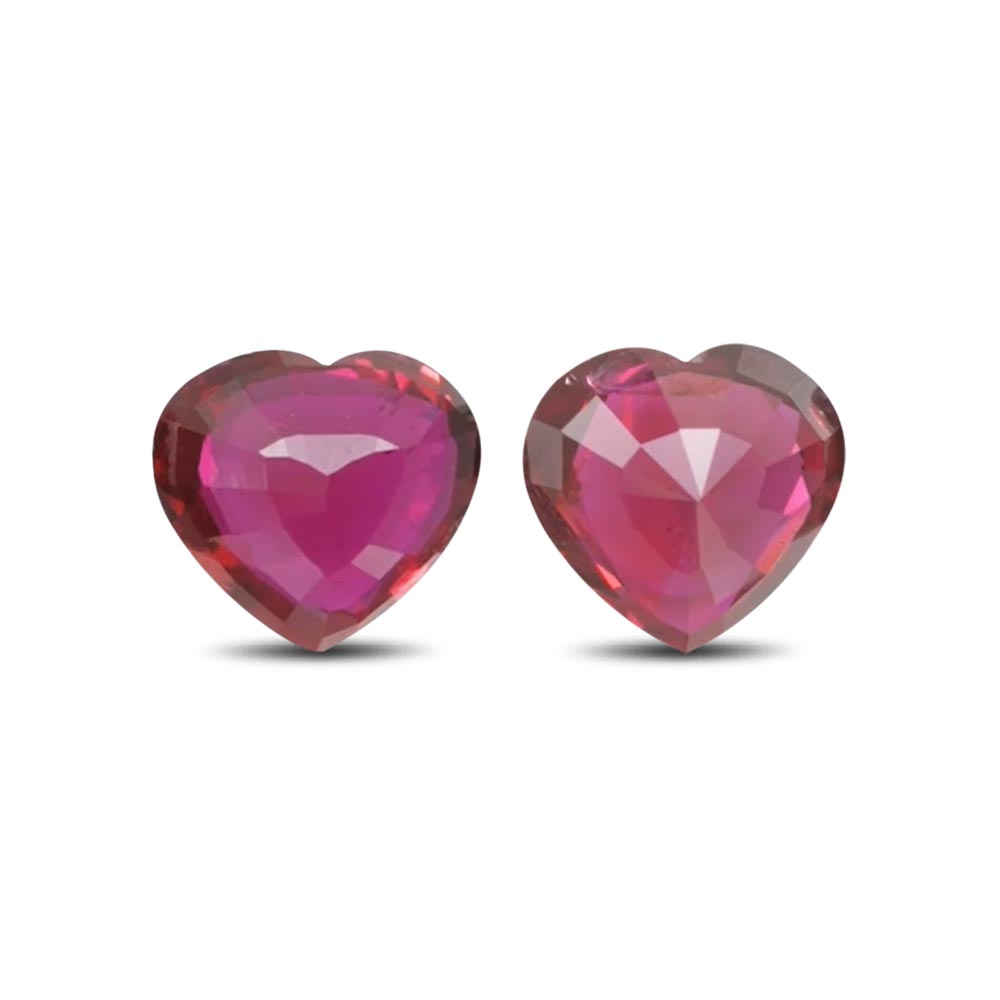
The right way to select a Pigeon Blood Ruby With Confidence
Look for more than a bright red Pigeon Blood Ruby in the photo. Look at its natural or synthetic status, treatment, color, clarity, cut, carat weight, origin information and certification.
Buyers can browse the gemstone selection and pay attention to the important point of gemstone quality and certification at Navratan – The Online Gem Bazar. You can find more information about the product that you are buying if you choose to have a clear buying process instead of simply being informed by the colour name.
Final Thoughts
Not a bright red Pigeon Blood Ruby stone is not necessarily fake or broken. It can be affected by lighting, colour tone, cutting, inclusions, treatment, grading terminology and photography.
The important thing is to consider the entire gemstone, not just its color. When investing in a valuable ruby, a proper certification and detailed information about the gemstone can help you make an educated decision.
Opt for knowledge over colour, and always check the gemstone before making a purchase.
Recommend0 recommendationsPublished in Uncategorized