Quick answer: Style shoes, bags, and jewelry by choosing one focal point, repeating a color or finish where it helps, and checking that every item suits the occasion. Matching every accessory is optional. Comfort, useful capacity, and a clear relationship to the outfit make a combination easier to wear repeatedly.
Accessories can transform familiar clothes, but they can also create unnecessary clutter. A shoe that hurts, a bag that cannot carry your essentials, or jewelry that catches on a neckline rarely becomes a reliable favorite. This guide focuses on practical styling decisions for readers in the USA, UK, Canada, Australia and New Zealand, with examples that can be adapted across budgets and gender expressions.
Start with the outfit and the occasion
Before choosing an accessory, identify the setting. An office commute, a museum visit, and a formal dinner place different demands on your footwear and bag. Look at the complete day rather than the single photograph you expect to take. Include travel, weather, walking time, and any stated dress code.
Then choose a focal point. A bright bag, sculptural earring, or decorative shoe can lead the outfit; the remaining pieces can support it. Several strong pieces can work together, but starting with one makes it easier to understand the proportions you enjoy. Remove or change an item only when the whole outfit looks clearer to you, rather than following an arbitrary rule about minimalism.
Choose shoes for the whole day
Try shoes with the socks or hosiery you intend to wear. Walk, turn and stand for more than a few seconds. Check whether your toes feel restricted, your heel slips or a strap rubs. A different size, width or style may be more useful than hoping a poor fit will resolve itself after purchase.
For everyday outfits, compare the shoe’s visual weight with the hem. A substantial sole can give a wide trouser a grounded finish, while a lighter shoe may work with a delicate skirt. These are starting points for experimentation, not body-shape rules. If you want a polished alternative to heels, consider a flat, loafer or low shoe that suits your preferred silhouette.
Connect bags with practical needs
Empty your regular bag and identify what you actually carry. A phone, keys, medication, mobility-related items, a laptop, or a water bottle may shape the decision more than a trend photograph. Measure essential objects and check the opening as well as the advertised bag dimensions.
Try the bag with your usual outer layer. A short strap may feel different over a coat, and a rigid shape may sit awkwardly when you are seated. If you switch bags frequently, a small removable organizer can reduce the risk of forgetting essentials. For a formal event, choose the smallest bag that still does the job rather than assuming an impractically tiny one is required.
Balance jewelry with garment details
Look at necklines, buttons, prints, and embellishments before adding jewelry. A decorated collar may already provide a focal point. A simple top can make room for a necklace or earrings with more presence. Hold the pieces next to the garment first, then check the outfit in a full-length mirror.
Mixed metals can look cohesive when a repeated shape, texture, or scale connects them. An inherited piece does not need to be excluded because it differs from a new accessory. The useful test is whether you like the combination and can wear it comfortably. Check fastenings and weight, especially when you expect to move around or wear the jewelry for several hours.
Use color and finish deliberately
Shoes and bags do not have to be the same color. You might repeat a tone from a print, pair two quiet neutrals, or use a single contrasting accessory. Consider whether the finishes feel related: glossy, matte, woven, and metallic surfaces each change the mood of a simple outfit.
Photograph two combinations under similar lighting. This helps reveal whether an accessory introduces a useful contrast or distracts from the element you wanted to emphasize. There is no compulsory palette for an age, gender, or body size. Start with your own preferences and the clothes you genuinely want to wear again.
Build three repeatable accessory formulas
For a practical daytime formula, combine comfortable footwear, a bag with adequate capacity, and one small jewelry detail. The specific pieces can vary, but the roles remain clear. This works well for a day that includes errands, travel, and a casual meeting, provided the shoes suit the amount of walking involved.
For a work formula, coordinate the formality of the shoe and bag with your workplace expectations. For an evening formula, let either the shoe or jewelry become more expressive while keeping the other details intentional. Save a photograph of each complete combination. Repeating a successful formula can make getting dressed easier without requiring an identical outfit every time.
Adapt accessories for travel and climate
A city trip in the USA may involve long walking distances, but the needs of New York and a resort destination can differ considerably. In Canada and the UK, check the forecast and the actual surfaces you expect to encounter. Choose weather-appropriate footwear for those conditions rather than treating a fashion category as a performance guarantee.
Australia and New Zealand have different seasonal timing from Northern Hemisphere markets. A November celebration may call for lighter styling in one city and a useful outer layer in another. For beach or garden events, consider how heels, long straps and delicate materials will interact with sand, grass and moisture. Pack for the itinerary rather than a generic country stereotype.
Check materials and product descriptions
Read material descriptions carefully when comparing jewelry and bags. Gold tone, gold plated, gold filled, and solid gold describe different products. Likewise, a leather-look bag and a leather bag are not interchangeable descriptions. Ask for clarification when an important detail is missing instead of inferring quality from a photograph or price.
For secondhand pieces, inspect closures, strap attachments, linings, soles, and areas of rubbing. Request measurements and clear photographs of wear when necessary. If a listing makes an authenticity claim, examine the evidence and the seller’s return process; a logo alone is not proof. Set a budget that includes delivery, any repair, and the possibility that a piece will not work as expected.
Care for the pieces you already own
Use the care instructions appropriate to each material and finish. Do not apply one cleaning method indiscriminately to leather, coated fabric, pearls and plated jewelry. Keep delicate pieces separate enough to avoid rubbing, and allow damp footwear to dry in a manner consistent with its care guidance.
Check your collection periodically for loose fastenings, worn soles, and damaged straps. A small repair can restore a favorite item’s usefulness. If an accessory has not been worn, try it with several existing outfits before deciding whether it belongs elsewhere. Passing on a piece can be sensible, but replacing it with another near-duplicate rarely solves the underlying styling problem.
Accessory styling questions
Should shoes match the handbag? They can, but it is optional. Repeating a tone or finish can create a coordinated impression; contrasting pieces can look equally deliberate when they relate to the rest of the outfit.
How many pieces of jewelry should I wear? There is no universal count. Consider the neckline, garment detail, comfort, and the effect you prefer. Begin with one focal piece and add others only if you like the overall balance.
Can sneakers work with tailoring? They can suit some casual or creative settings when the proportions and dress code allow it. Keep footwear appropriate for the occasion, and do not assume that every formal event accepts a relaxed combination.
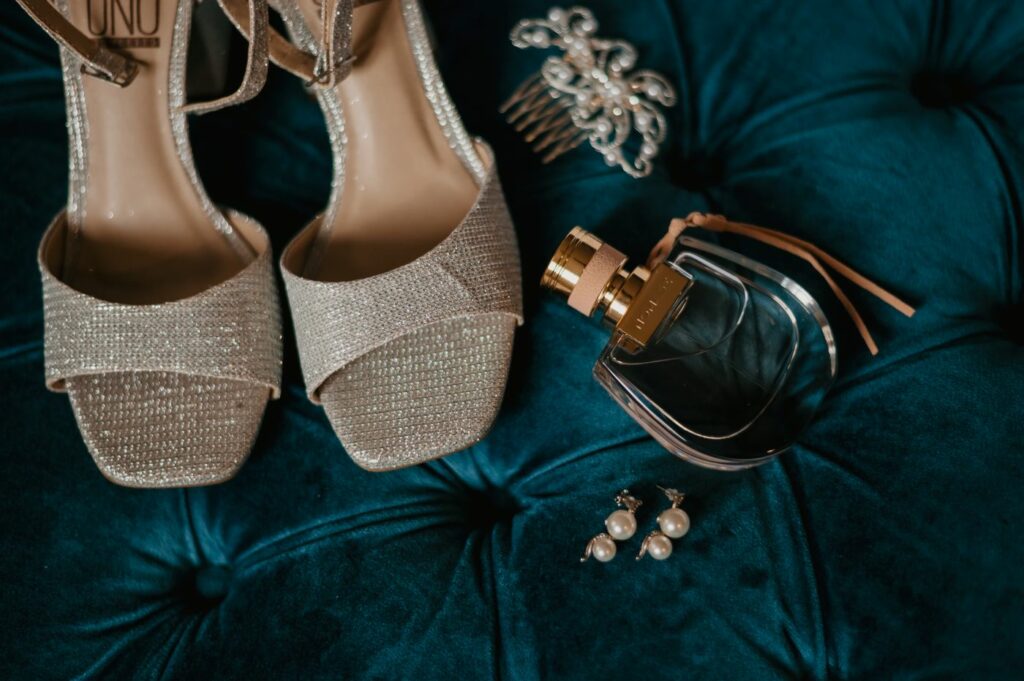
Cover caption: Shoes, jewelry and a coordinated accessory finish can refresh an outfit without replacing the clothes. Illustrative stock photograph. Image source: Jonathan Borba / Pexels, https://www.pexels.com/photo/elegant-flat-lay-of-glamorous-fashion-accessories-29068687/
Editorial note: These are adaptable styling suggestions rather than product endorsements or claims about universal fit. Country examples explain practical context; they do not imply identical climates or dress expectations.
Recommend0 recommendationsPublished in Jewelry, Shoes