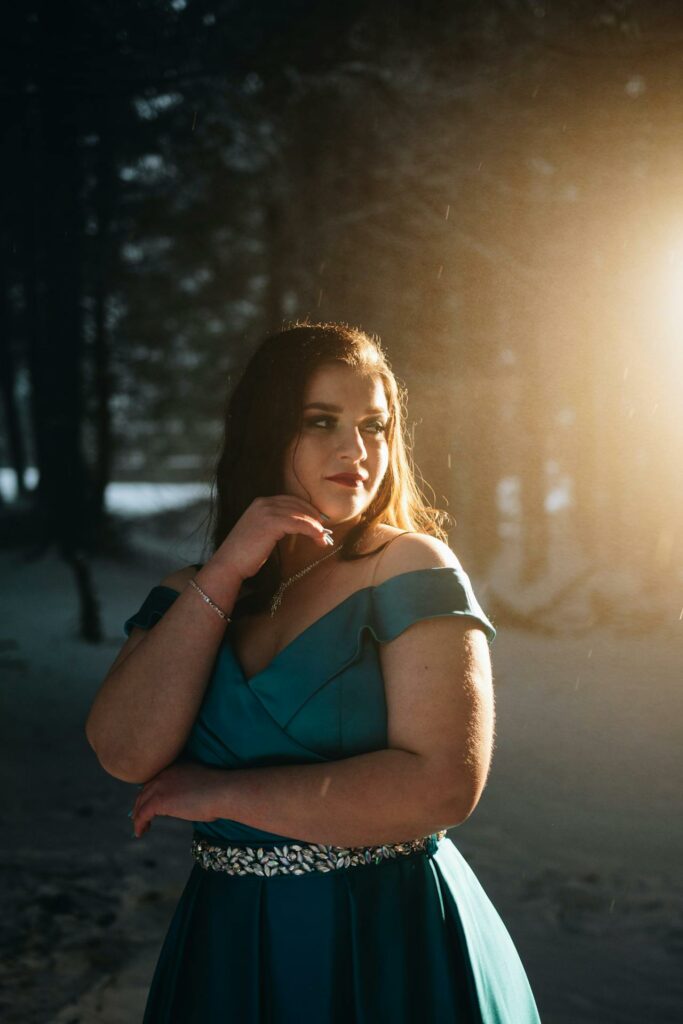
Inclusive fashion is no longer a niche segment—it is a core expectation among today’s consumers. Shoppers increasingly seek brands that represent diverse body types, prioritize comfort, and deliver consistent fit across sizes. For retailers, sourcing wholesale plus-size fashion is not only a social responsibility but also a powerful business opportunity that drives loyalty, trust, and long-term growth.
This guide explores how retailers can successfully sell inclusive fashion through wholesale sourcing while maintaining quality, profitability, and customer satisfaction.
Why Inclusive Fashion Matters in Modern Retail
The demand for size-inclusive clothing continues to grow as consumers push for better representation and accessibility. Plus-size shoppers often face limited options, inconsistent sizing, and poor-quality designs—creating an opportunity for retailers who address these gaps.
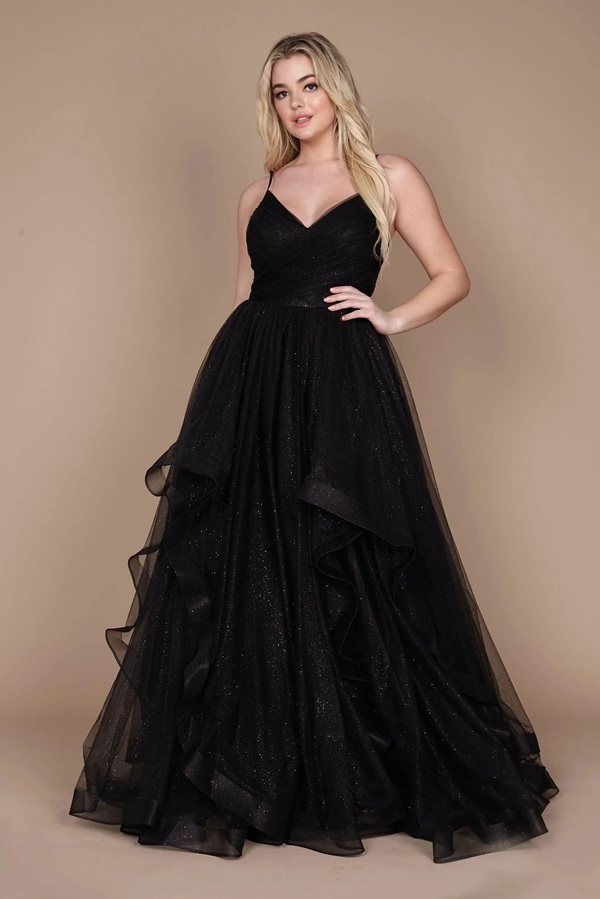
Retailers that invest in wholesale plus-size fashion benefit from:
Access to an underserved and loyal customer base
Higher average order values due to limited alternatives
Strong word-of-mouth and repeat business
Positive brand perception built on inclusivity
Inclusive fashion is both a values-driven and revenue-driven strategy.
Understanding the Plus Size Customer Experience
Selling inclusive fashion starts with understanding the unique needs of plus-size customers. Fit, comfort, and fabric quality often matter more than trend alone.
Key considerations include:
Proportional design rather than scaled-up sizing
Supportive construction and thoughtful detailing
Breathable, flexible fabrics for all-day wear
Accurate size charts and consistent fit
Retailers who prioritize these elements create a better shopping experience and reduce returns.
Sourcing Wholesale Plus-Size Fashion Strategically
Not all wholesalers specialize in inclusive design. Choosing the right wholesale partners is essential for delivering quality and consistency.
When sourcing wholesale plus-size fashion, retailers should evaluate:
Design and Fit Expertise
Reliable suppliers understand plus-size pattern-making and design garments specifically for fuller figures rather than simply enlarging standard sizes.
Size Range Availability
Offering an extended size range ensures inclusivity and allows retailers to serve a broader audience.
Fabric and Construction Quality
Durable, comfortable fabrics and reinforced construction enhance wearability and customer satisfaction.
Consistency Across Styles
Consistent sizing across different designs builds trust and simplifies the buying process for customers.
Building a Balanced Inclusive Collection
An effective inclusive fashion strategy goes beyond offering a few extended sizes. Retailers should curate a full range of styles that mirror their standard-size collections.
Recommended categories include:
Casual and everyday wear
Work-appropriate dresses and separates
Occasion and formal styles
Transitional pieces suitable for multiple events
This balanced approach ensures plus-size shoppers have the same variety and fashion-forward options as other customers.
Merchandising Inclusive Fashion Effectively
Presentation plays a crucial role in selling inclusive apparel. Retailers should avoid separating plus-size collections in a way that feels isolating or secondary.
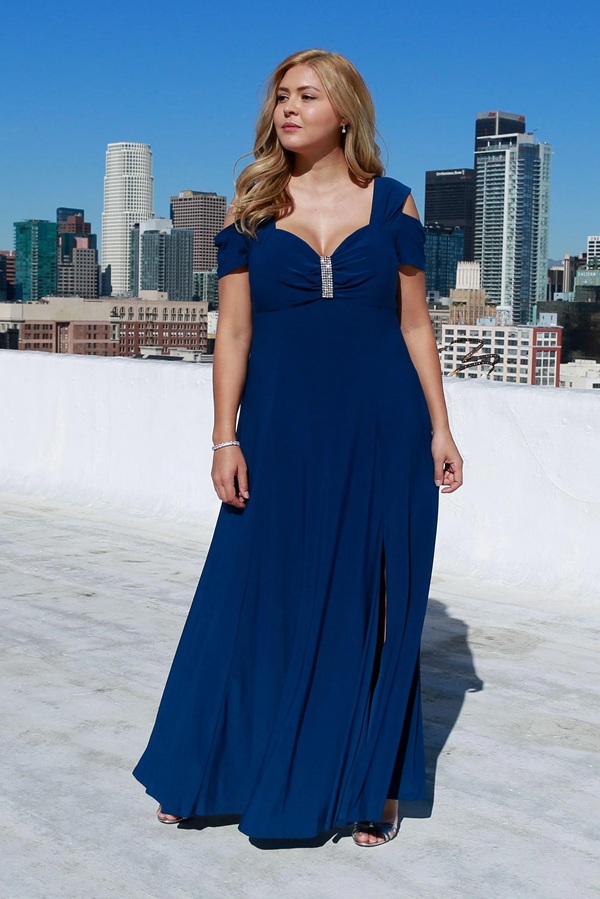
Best practices include:
Featuring plus-size models in marketing imagery
Integrating inclusive styles into main collections
Highlighting fit, comfort, and versatility in descriptions
Offering clear sizing guidance and styling tips
Thoughtful merchandising reinforces inclusivity and builds confidence among shoppers.
Pricing and Margin Considerations
Wholesale plus-size fashion can support healthy margins when priced correctly. While production costs may be slightly higher due to fabric usage and construction, customers often prioritize quality and fit over price.
Retailers can maintain margins by:
Sourcing from reliable wholesale suppliers
Avoiding excessive markdowns through a better fit
Offering versatile styles that encourage repeat wear
Value-driven pricing supports both profitability and customer trust.
Training Staff and Educating Customers
Knowledgeable staff play a key role in inclusive retail. Training teams to understand fit differences, styling options, and fabric features improves customer service and conversion rates.
Providing educational content—such as fit guides and styling advice—positions your store as an authority in inclusive fashion.
EEAT and Trust in Inclusive Fashion Retail
Following EEAT principles means demonstrating experience, expertise, authority, and trustworthiness. Retailers build trust by offering honest sizing information, sharing real customer feedback, and consistently delivering quality products.
Inclusive fashion succeeds when customers feel seen, respected, and confident in their purchases.
Final Thoughts
Selling inclusive fashion through wholesale sourcing is both a meaningful and profitable strategy. By investing in high-quality wholesale plus-size fashion, retailers can meet growing consumer demand, strengthen brand loyalty, and create a more welcoming shopping experience.
With the right wholesale partners, thoughtful curation, and transparent communication, inclusive fashion becomes a powerful driver of long-term retail success.
Recommend0 recommendationsPublished in Uncategorized