
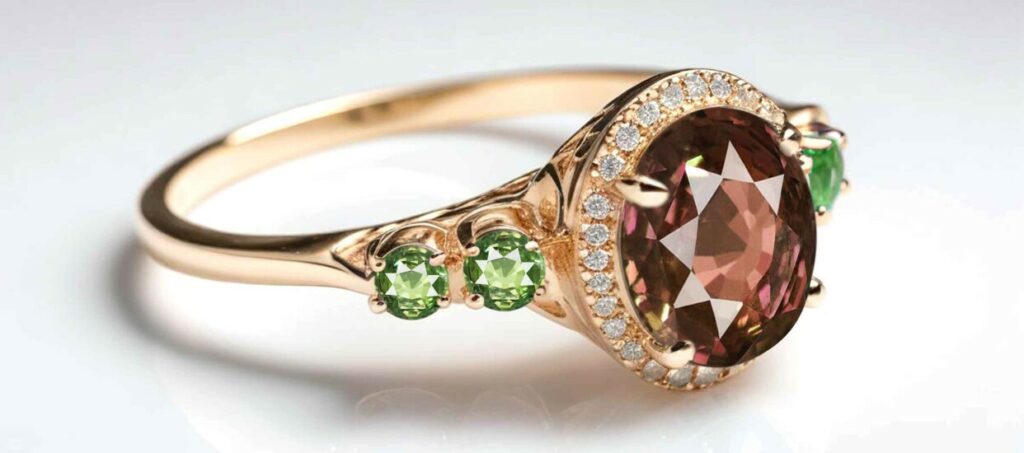
One of the world’s rarest & most beautiful gemstones, the Alexandrite Stone is celebrated for its remarkable color change property. Alexandrite may appear green or bluish-green in daylight but may turn red or purplish-red under incandescent light. Deemed the “emerald by day, ruby by night” gemstone for its special characteristic. New to the world of gemstones and considering buying alexandrite, this is a beginner-friendly guide that will walk you through it with ease.
What Is an Alexandrite Stone?
Alexandrite is a form of the mineral chrysoberyl found in Russia’s Ural Mountains in the 19th century. Its strong color shift, rarity, and durability are what make it valuable. Genuine alexandrite is very rare, and so fine specimens are valued by collectors and gem lovers.
Today, alexandrite comes from locales like Sri Lanka and Brazil as well as eastern Africa, but stones from Russia are still the most prized.
Why Choose an Alexandrite Ring?
There are a few highlights of an Alexandrite Ring, which is not just visually breathtaking but also has a symbolic significance. Associated with balance, creativity, and good luck is the alexandrite. It’s also the birthstone for June, so it’s a personal choice for birthdays and special milestones.
Due to its hardness (rated as 8.5 on the Mohs scale), alexandrite is also very wear-resistant, allowing it to be worn quite safely every day, and of course, safely set into protective ring designs properly.
What to Look for in Alexandrite.
Color Change Quality
What are the most important: — The intensity of the color change. Good alexandrite has a great and perceptible change, usually from green to red. Stones that have a weak or muddy color change are less desirable.
Color Saturation
Choose vibrant and bold colors in the two types of lighting. The richer the colour and the later, the more valuable an Alexandrite Stone will be.
Clarity
Most alexandrites contain some inclusions, but they should not hinder transparency or brilliance. Eye-clean is optimal for stones, more so for those designed to be worn in jewelry.
Carat Weight
Big-sized alexandrite is an uncommon item. Over one carat, the price is totally different. For beginners, this can mean starting with smaller stones to accommodate both beauty and budget.
Natural vs Synthetic Alexandrite
Lab-grown versions are far cheaper than natural alexandrite. Synthetic stones display color change and are more economical, but ask for disclosure and certification.
Choosing the Right Setting
For an Alexandrite Ring, when you look to choose a setting for alexandrite, the more light that can come into the stone from various directions is preferable. Some of the most common options are solitaire, halo, and vintage-inspired rings. Metals such as white gold, platinum, and yellow gold all enhance the color-shifting nature of alexandrite quite nicely.
Certification and Trust
Make sure to purchase from a reputable jeweler and require that the gemstone be certified by a reputable gemological lab. Certification determines the natural or synthetic status and quality of the stone.
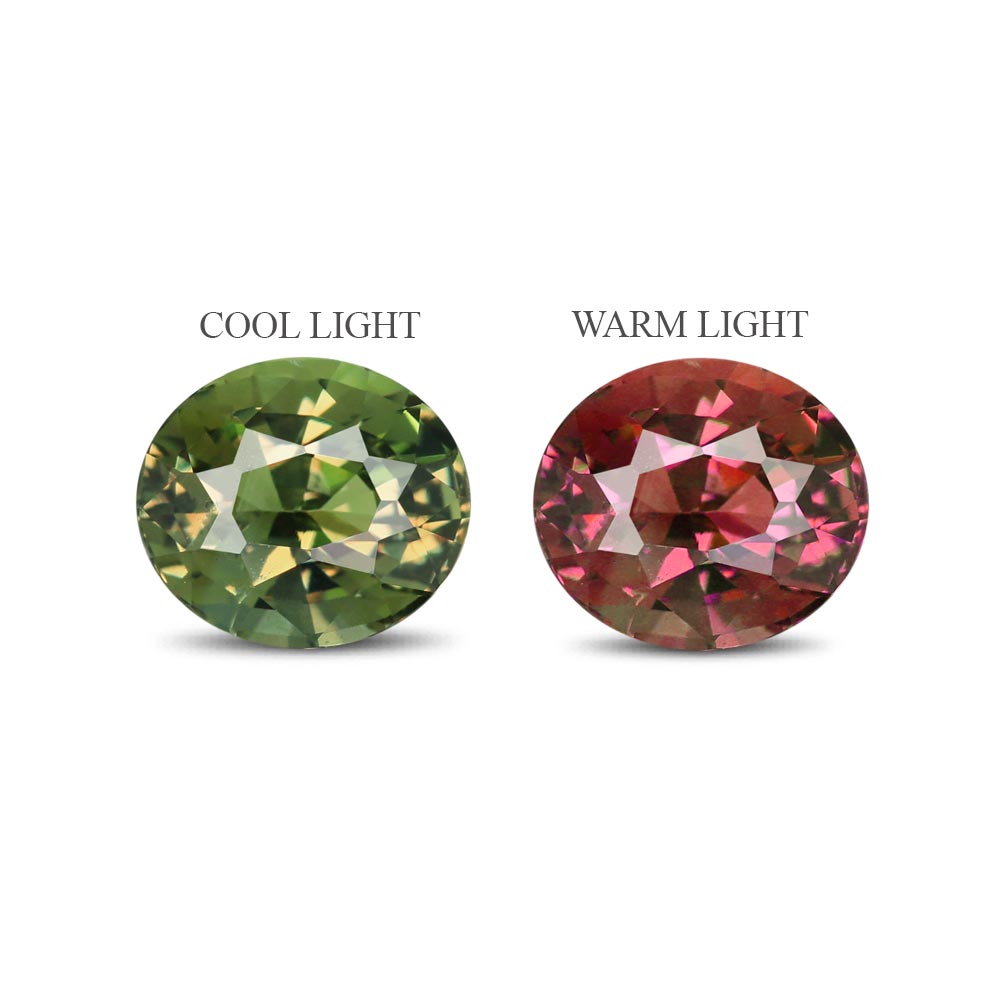
Image Resource: Navratan Gemstone
FAQs
1. Is alexandrite more expensive than other gemstones?
Ans. Yes, natural alexandrite is rarer than a lot of precious stones and can be priced higher than diamonds of equal size.
2. Can you wear an Alexandrite Ring every day?
Ans. Yes, alexandrite is hardy enough for everyday wear as long as it is pronged properly.
3. How can I tell if an Alexandrite Stone is Genuine?
Ans. The most secure is by certification from a reliable gemological laboratory.
Conclusion
Purchasing an Alexandrite Stone as a novice collector shouldn’t be daunting. By paying attention to color change, clarity, authenticity, and certification, you can select a gemstone that is not only pretty but also valuable. Whether you are purchasing for investment or choosing a lovely Alexandrite Ring, this scarce gemstone is indeed a unique find.
Recommend0 recommendationsPublished in Uncategorized