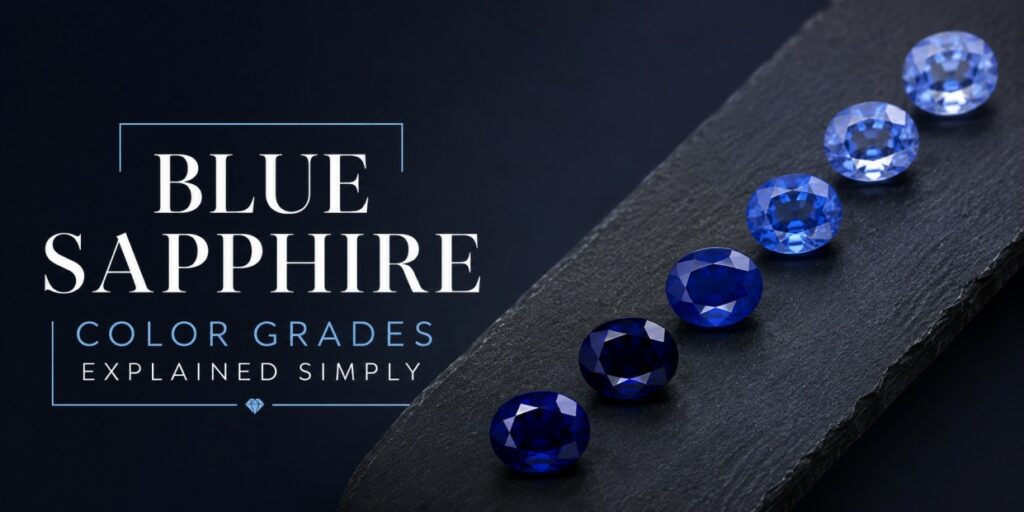
If you are considering purchasing a Blue Sapphire, one crucial aspect to consider is the color quality. The color grade determines not just its beauty but also its value, as well as the Blue Sapphire price. It doesn’t matter if you’re buying a Neelam stone for your astrology needs or a Blue Sapphire ring that is perfect for daily elegance; knowing about the various color grades will aid you in making an informed choice.
This guide will explain blue Sapphire colors in simple terms so that novice purchasers can make an informed decision about the correct stone.
What Is Blue Sapphire Color?
A Blue Sapphire is part of the corundum mineral family. It acquires its blue color due to trace quantities of titanium and iron. Indeed, Blue sapphires don’t all look identical. Certain sapphires have a gorgeous royal blue hue, and some appear light greyish or even black.
The color of a gemstone is evaluated by gemologists based on three primary attributes:
Hue is the primary hue of the stone.
Tone – The amount of is the hue light or dark? appears.
Saturation – The strength or purity of the blue color.
A perfect combination between these three components results in the highest-value blue Sapphire.
Understanding Blue Sapphire Color Grades
1. Vivid Royal Blue (Highest Grade)
It is regarded as the highest high-end Blue Sapphire. It’s a vibrant bright blue that has excellent intensity and a medium dark tone.
Features:
Deep royal blue appearance
Lively and bright
Very rare
Highest Blue Sapphire price
They are wanted for their premium jewellery and for investment.
2. Cornflower Blue (Premium Grade)
Cornflower Blue is one of the most sought-after colors, particularly in sapphires that come from Kashmir.
Characteristics:
Soft velvety blue
Medium tone
Excellent brilliance
Value of the market premium
A lot of collectors see this color as the ideal blend of class and rareness.
3. Medium Blue (Excellent Value)
Medium Blue sapphires are bright and appealing without being excessively dark.
Benefits:
Amazing everyday appearance
More affordable
A great choice for the perfect Blue sapphire Ring
This is a fantastic combination of quality and cost.
4. Light Blue
Light Blue sapphires have a soft appearance and smaller color saturation.
They’re ideal for purchasers who are looking for:
Options that are budget-friendly
Delicate jewelry
Casual dress
While attractive, they typically come with a less expensive Blue Sapphire price than more expensive stones.
5. Dark Blue
Dark Blue sapphires contain a high tone and can look almost black in low light.
Even though they appear luxurious, stones that are too dark are less luminous because they let less light through.
How Color Affects Blue Sapphire Price
The color is among the main factors that determine Blue Sapphire price.
Color Grade Price Level Demand
Vivid Royal Blue Very High Excellent
Cornflower Blue High Very High
Medium Blue Moderate to High High
Light Blue Moderate Medium
Dark Blue Moderate Medium
In general, a more rich and equally distributed blue colors result in higher prices.
Which Blue Sapphire Color Is Best?
The ideal Blue Sapphire is dependent on the purpose for which you are using it.
Astrology: Natural, non-treated Neelam stone that has good clarity is generally preferable.
Jewelry: Medium Blue and Cornflower Blue are very sought-after because they are affordable and beautiful.
Investment: Vibrant Royal Blue stones with certification are the most durable investment.
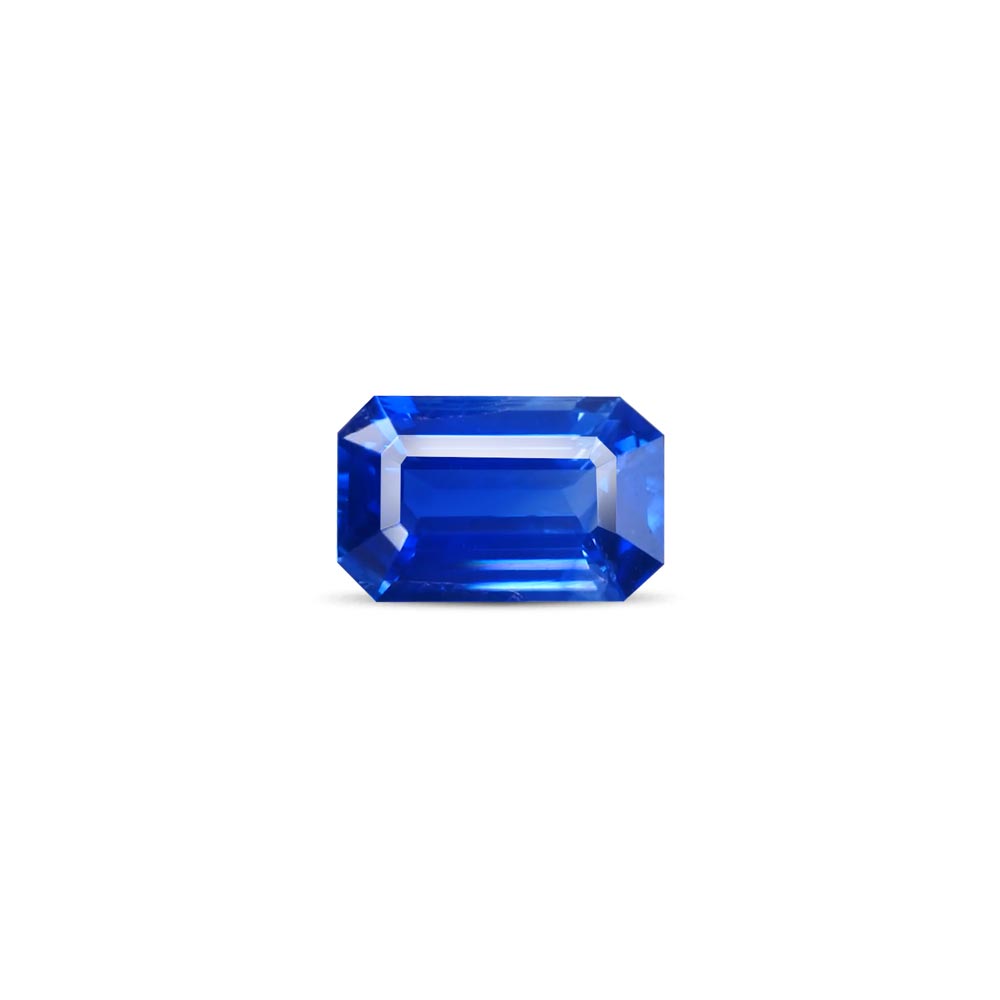
Image Resource: Navratan Gemstone
Does Origin Affect Color?
Yes. The source of the Blue Sapphire can influence its hue.
The most well-known sources include:
Kashmir: Velvety Cornflower Blue
Sri Lanka (Ceylon): Bright Medium Blue
Myanmar (Burma): Rich Royal Blue
Madagascar: The wide variety of appealing blue hues
Color quality, however, is far more crucial than its origin.
Tips for Choosing the Right Blue Sapphire
When you are looking to purchase a blue sapphire ring, think about these points:
Select a gemstone that is natural and has the most vivid, even blue shade.
Do not choose stones that appear black or too gray.
You can request a certificate for a gem from a reliable lab.
Check out the different stones under natural light.
Make sure you balance color quality and your budget.
Common Mistakes Buyers Make
A lot of buyers are focused on the size and not so much on the color. A small stone with a great color is often more attractive in comparison to a bigger stone that has low color.
Other mistakes include:
Do not pay attention to the certification
Treating stones for sale without any disclosure
Selecting dark sapphires with a lot of darkness
The price is all that matters.
Final Thoughts
Knowing Blue Sapphire color grades makes purchasing gemstones a lot easier. The most beautiful stones exhibit an intense, uniform blue that is characterized by excellent luminosity, whereas the lighter and darker ones offer cheaper choices.
When you’re shopping for a Neelam stone for purposes of astrology, or you’re looking to purchase a beautiful Blue sapphire band, take into consideration the quality, color, and certification above size by itself. An excellent blue Sapphire can not only add value to your jewellery collection, but also preserve its appeal and value in the years to come.
Recommend0 recommendationsPublished in Uncategorized