
Hair loss can affect anyone, regardless of age or gender. For many people, losing hair is more than a cosmetic concern—it can influence confidence, self-image, and even social interactions. While shampoos, oils, and supplements may offer temporary improvements, they often cannot restore hair in areas where follicles are no longer active. Modern hair restoration techniques provide a long-lasting solution for those seeking fuller, natural-looking hair.
If you are exploring advanced treatment options, understanding the process, benefits, and recovery can help you make an informed decision.
One of the most effective solutions available today is hair implant in Surat, which has become increasingly popular among individuals looking for permanent hair restoration.
Modern hair implantation involves transferring healthy hair follicles from areas with dense hair growth, usually the back or sides of the scalp, to areas experiencing thinning or baldness. The transplanted follicles continue to grow naturally, offering long-term and realistic results.
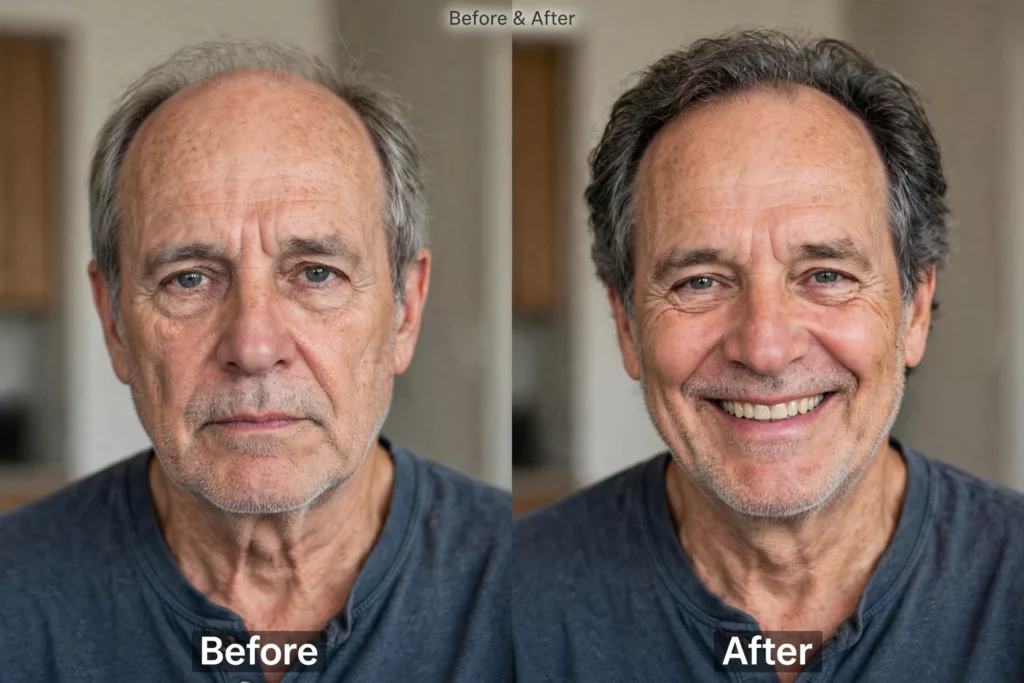
People often choose this procedure for several reasons:
Receding hairline
Male pattern baldness
Female hair thinning
Bald patches caused by genetics
Hair loss after injury or surgery
Desire for improved hair density
Unlike temporary cosmetic products, hair implantation focuses on restoring actual hair growth.
The procedure generally begins with a detailed consultation. During this stage, the scalp is evaluated, hair loss patterns are examined, and realistic expectations are discussed.
Most modern procedures use Follicular Unit Extraction (FUE), which is known for minimal scarring and faster healing.
The typical process includes:
Scalp assessment
Hairline planning
Donor hair selection
Individual follicle extraction
Careful implantation into thinning areas
Post-treatment care guidance
Each follicle is placed according to the natural direction and angle of hair growth, creating results that blend seamlessly with existing hair.
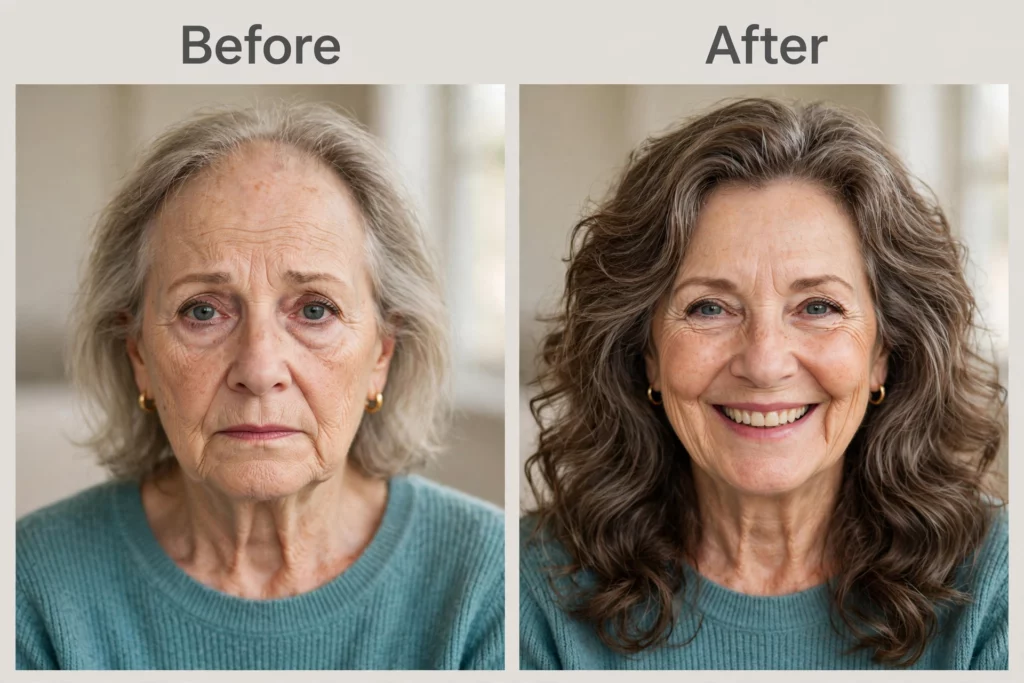
Imagine someone who has spent years hiding a receding hairline with different hairstyles or hats. After undergoing treatment and completing the recovery period, they gradually regain fuller hair that looks completely natural. This transformation often improves confidence in both professional and personal settings.
Not everyone experiencing hair loss requires the same treatment plan. The ideal candidate usually has healthy donor hair and realistic expectations about the outcome.
Suitable candidates often include people with:
Stable hair loss patterns
Healthy scalp condition
Sufficient donor hair
Good overall health
Localized thinning or bald areas
A professional evaluation determines the number of grafts needed and whether the treatment is appropriate for the individual’s condition.
There are several reasons why people prefer hair implant in Surat over temporary hair restoration methods.
Some of the key benefits include:
Permanent hair restoration
Natural-looking results
Improved hair density
Minimal visible scarring
Ability to style hair normally
Increased self-confidence
Long-lasting solution
Because transplanted follicles come from your own scalp, the new hair grows naturally and can be washed, cut, and styled just like the rest of your hair.
Recovery is generally comfortable when aftercare instructions are followed carefully.
During the first few days, patients may notice:
Mild swelling
Small scabs around implanted follicles
Temporary redness
Slight tenderness
These effects usually improve within a week.
The hair growth timeline typically follows this pattern:
Week 1: Healing begins
Weeks 2–4: Temporary shedding of transplanted hairs
Month 3: Early new hair growth
Months 6–9: Significant improvement in density
Around 12 months: Final results become visible
Patience is important because hair follows its natural growth cycle.
Several factors influence the overall success of the procedure.
These include:
Quality of donor hair
Extent of hair loss
Precision during implantation
Individual healing response
Proper aftercare
Healthy lifestyle habits
Maintaining a balanced diet, avoiding smoking, and following medical advice can support healthy recovery and long-term hair growth.
When considering treatment, many people naturally ask about costs. The overall expense varies depending on individual requirements rather than a standard fixed price.
Cost factors often include:
Number of grafts required
Size of the treatment area
Technique used
Complexity of hair restoration
Personalized treatment planning
Rather than focusing solely on price, many individuals evaluate the long-term value of permanent hair restoration compared to repeatedly investing in temporary solutions.
Choosing the right medical professional plays a significant role in achieving satisfying results.
Before making your decision, consider:
Experience with hair restoration procedures
Natural-looking patient outcomes
Transparent consultation process
Hygiene and safety standards
Clear explanation of expected results
Comprehensive aftercare support
Taking time to ask questions and review treatment options helps build confidence before moving forward.
Several misconceptions continue to surround hair implantation.
One common myth is that implanted hair looks unnatural. In reality, modern techniques carefully replicate natural hair growth patterns.
Another misconception is that recovery requires months away from daily activities. Most people return to routine work within a few days, depending on the nature of their job.
Some also believe the procedure is extremely painful. Local anesthesia keeps patients comfortable throughout the treatment, and post-procedure discomfort is generally mild and manageable.
Understanding these facts helps individuals make informed decisions based on evidence rather than myths.
Frequently Asked Questions
1. Is a hair implant permanent?
Yes. The transplanted follicles are typically resistant to hair loss and continue growing naturally for many years.
2. When will I notice visible results?
New hair growth generally begins after three to four months, while full results usually develop within nine to twelve months.
3. Is the procedure painful?
Most patients experience minimal discomfort because local anesthesia is used during the treatment.
4. Can women undergo hair implantation?
Yes. Women experiencing thinning hair or localized hair loss may also be suitable candidates after proper evaluation.
5. Why is hair implant in Surat becoming increasingly popular?
Many individuals choose hair implant in Surat because of access to modern techniques, personalized treatment plans, and permanent solutions for hair loss.
Recommend0 recommendationsPublished in Uncategorized