Do you want to embrace the color-changing magic in your jewelry? Then get ready to fall under the spell of the mesmerizing alexandrite stone, the rare gem that appears to change color before your very eyes!
Its rarity, complexity, and heritage have made it one of the most prized gems for collectors and connoisseurs around the world.
Alexandrite is a stunning addition to any jewelry box, but how can you find a quality stone when no two alexandrites look exactly alike? And besides the apparent differences like color change, are there other things you should look for when picking this mystical creation?
Let’s take a closer look at some factors to keep in mind when choosing your ideal alexandrite stone.
Understanding Alexandrite Stones
Loose alexandrites form deep in the Earth over millions of years, where specific environmental conditions and trace elements create this rare gemstone. It was discovered way back in the 1830s in the Ural Mountains of Russia.
Alexandrite stone holds a lot of importance in Russia as it reflects the military colors of imperial Russia – red and green. This amazing gemstone was named after Alexander II, the heir apparent to the throne. Undeniably, this gemstone became instantly popular, not only in Russia but across the world.
Belonging to the chrysoberyl family, this mesmerizing gemstone is highly valued for its unique color-changing properties, depending on the lighting conditions. Alexandrites are green to bluish green in daylight and red to purplish red in incandescent light.
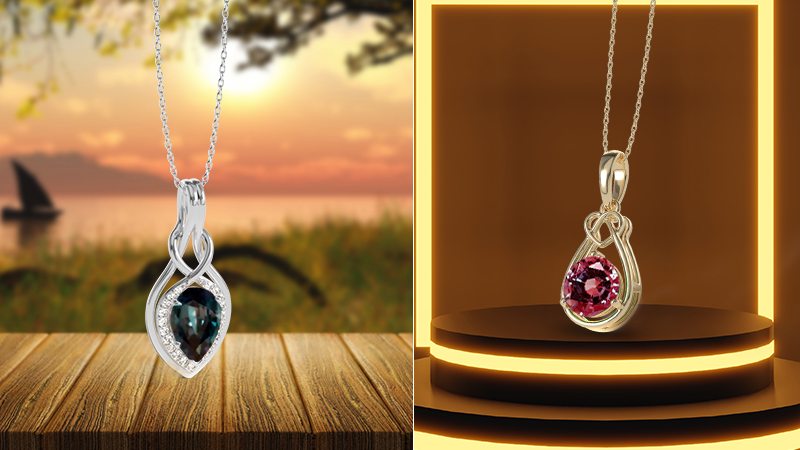
Due to this interesting property, alexandrites are also known as “emerald by day” and “ruby by night.” These optical qualities of alexandrites make them rare, unique, and one of the world’s most desired gemstones. The color change is often known as the ‘alexandrite effect.’
These color-changing properties are due to the presence of chromium within the gem’s crystal structure. It is also known as pleochroism, making alexandrite so highly sought after among gemstone enthusiasts.
Symbolism of Alexandrites
Alexandrite is often associated with balance, joy, and transformation. It is believed to enhance positive energy, personal growth, and harmony in relationships. Besides, alexandrite is also considered a gemstone of prosperity.
And yes, if you are a June baby, you are lucky to have alexandrite as your birthstone. Apart from birthdays, alexandrite makes a traditional gift for the 55th wedding anniversary. So, why not celebrate this special day and honor a lifetime of shared memories and love with this appealing and conventional present?
Key Factors to Consider While Choosing Alexandrites
Here’s how you can choose the right alexandrite stone for your jewelry collection.
4Cs
Color
The most notable feature of the alexandrite gem is its striking color-change effect, which also determines the gem’s quality and value. The brighter the colors & the more intense the color change, the more valuable the gemstone is. Alexandrite is most prized when it changes color dramatically from bluish-green in daylight to purplish-red under incandescent light.
Clarity
Alexandrite with minimal inclusions or imperfections is highly sought after, as it allows for better light transmission and reflection. While minor inclusions are acceptable, significant inclusions that affect the stone’s transparency or color change can reduce its value.
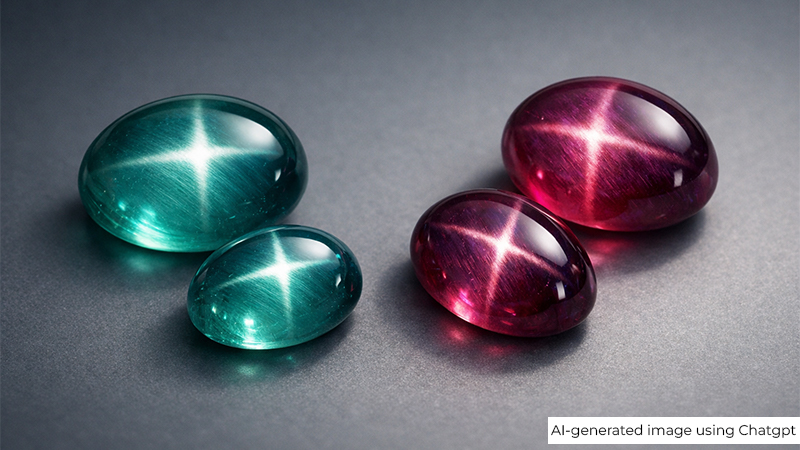
One thing to note: If inclusions are isolated to the bottom of the stone, it can create what’s known as the “cat’s eye” effect. Combined with a beautiful color change, this deep line through the center of alexandrite dramatically increases its value.
Cut or Shape
The quality of the cut significantly impacts the beauty and value of alexandrite stones. Precise cutting is essential to showcase the gem’s uniform color shift and maximize its optical properties.
Popular shapes include the circle, oval, emerald, pear, or princess. Each cut offers a different aesthetic and can affect how the color change is perceived.
Carat Weight
Larger alexandrites are extremely rare, and their value increases exponentially with size. However, even smaller stones can be incredibly valuable if they possess exceptional color change and clarity. Hence, it is essential to balance carat weight with quality, ensuring that the stone’s color change and clarity are not compromised.
Origin
Historically, Russia’s Ural Mountains were the primary source of alexandrites. Also, these Russian stones command the highest prices and are considered the finest for their strong green-to-red color shift and minimal inclusions, making them highly popular in jewelry.
But in recent years, Brazil has become a significant player with mines in Minas Gerais and Bahia producing larger stones with noticeable color shifts from bluish-green to purplish-red. Sri Lanka also produces gems with a softer color change and relatively smaller in size.
Other notable locations include Madagascar, Tanzania, and Myanmar. Thus, verify the origin with the seller, as it can influence the gemstone’s price and desirability.
Durability
Alexandrite has exceptional hardness, measuring 8.5 on the Mohs scale. This makes the gemstone highly durable and resistant to chipping and cracking. As a result, it is an excellent choice for everyday jewelry, such as an alexandrite pendant necklace or ring, combining both beauty and resilience.
Settings and Metal Choices
Whether you choose an alexandrite mens ring or a women’s piece, it can fit with any setting. From sunny metals like yellow and rose gold to icy options such as white gold and platinum, alexandrite’s chameleon-like qualities make it a great fit for most settings. White diamonds and moissanites are perfect accents for alexandrite, as they offer a neutral palette for its color transitions and pleochroism.

A few clusters of diamond accents or a bright diamond halo are ideal ways to show off your alexandrite’s unique appeal, but your stone will also look just as amazing in a solitaire setting. Alexandrite is also a wonderful complement to other colored gemstones, looking dazzling in two and three-stone settings as well.
Treatments and Certification
Natural alexandrite is typically untreated to maintain its inherent beauty and value. However, some lower-grade stones may undergo treatments such as heat or fracture filling to enhance color saturation or clarity. Also, due to the stone’s rarity and high cost, synthetic alexandrite jewelry is created in laboratories. It has similar physical and optical properties to natural ones, and it’s also an affordable alternative.
For consumers, this makes proper certification essential. Whether you are purchasing the real alexandrite necklace, ring, or earring, it is important to check the stone’s authenticity and quality. Look for reputed sellers like GemsNY who provide certificates or documents that verify the stone’s origin, color-change properties, and quality. These papers will give you peace of mind and confidence in your purchase.
Final Insights
Alexandrite stone offers a blend of rarity, beauty, and mystique. Its enchanting color-changing properties, coupled with enduring appeal and deep symbolism, make it a gemstone worth exploring.
For a trusted shopping experience, visit www.gemsny.com and find exquisite collections. Don’t forget to browse GemsNY reviews to see why customers trust them for quality and satisfaction.
Recommend0 recommendationsPublished in Jewelry