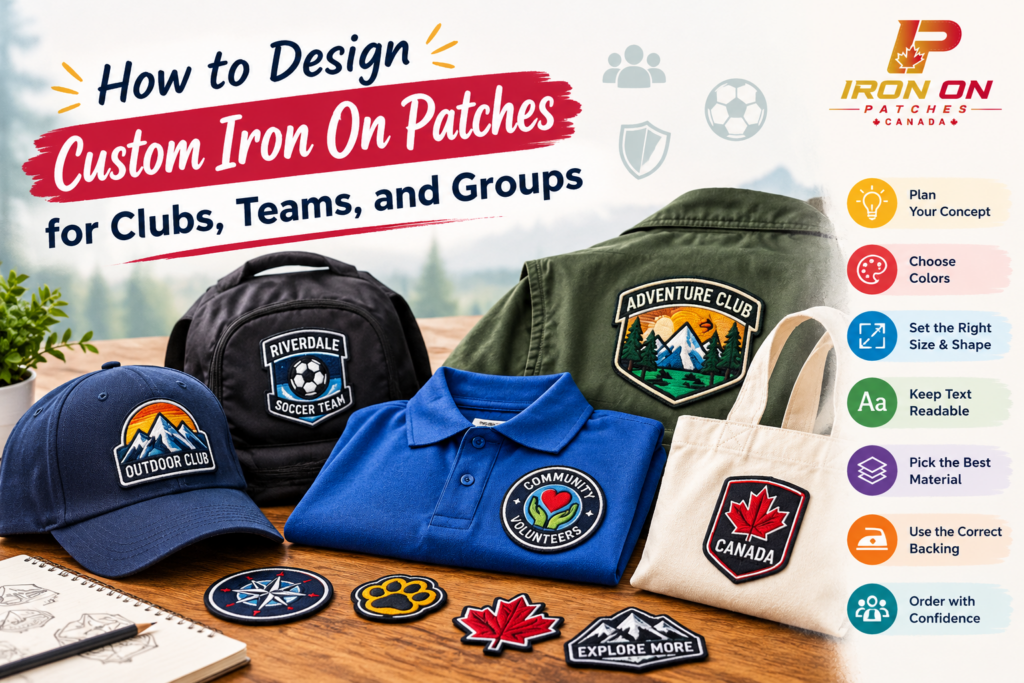
Custom iron on patches and badges are used by clubs, sports teams, and community organizations to highlight common interests, recognize accomplishments, and foster team spirit. Uniforms can be made unique and leave enduring memories with a well-designed symbol. Iron On Patches Canada provides ideas for commemorative items, athletic events, and membership badges. Selecting appropriate materials, colors, and artwork contributes to the creation of a meaningful design that captures the essence of the group.
Begin with a Meaningful Concept
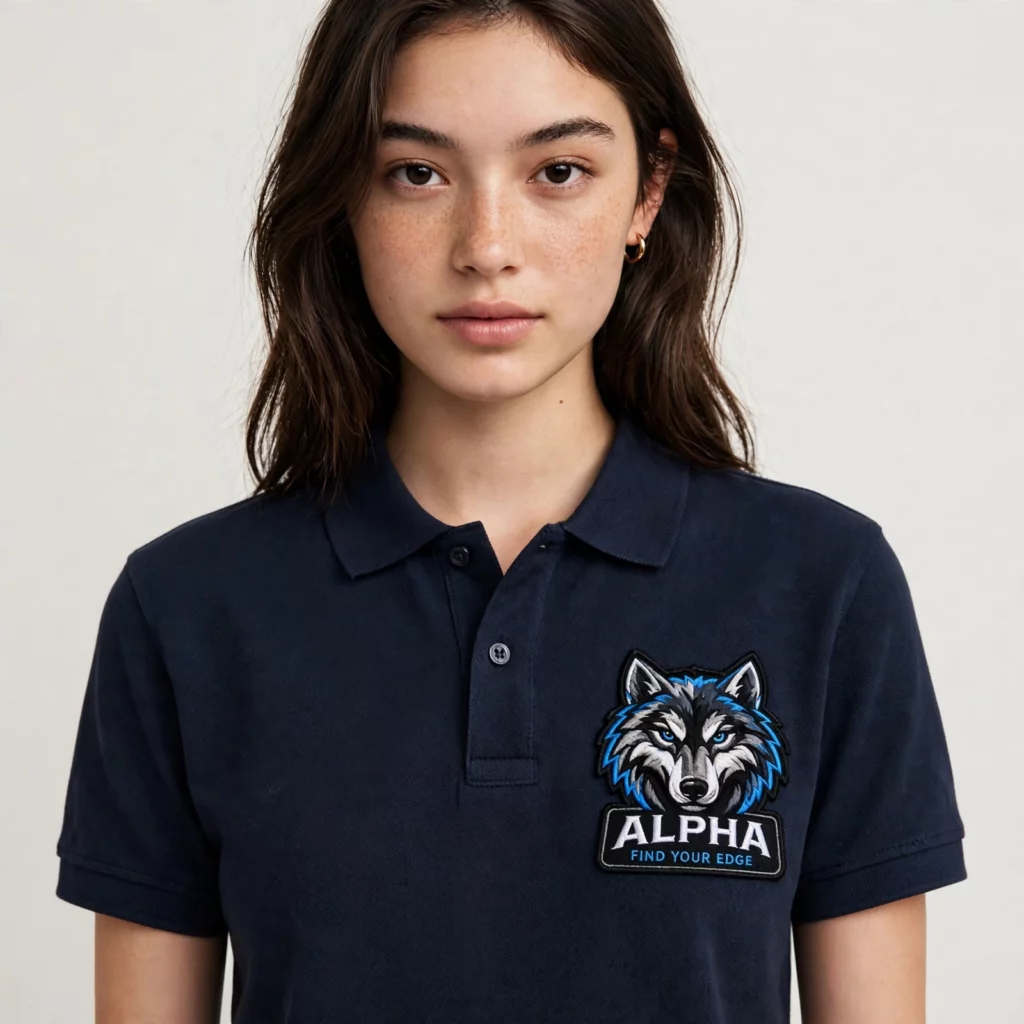
Every successful badge starts with a clear idea. Sports clubs might feature a mascot or team symbol, while academic societies could incorporate books, creative illustrations, or subject-related imagery. Volunteer groups may prefer graphics representing their community activities.
Consider the message you want to communicate before selecting the artwork. A membership emblem should identify the group, whereas a commemorative piece might highlight a particular event or milestone. Establishing this purpose makes the creative process easier and prevents unnecessary details from overcrowding the final result.
Choose Colors That Complement Your Identity
Color selection influences the appearance and readability of a patch. Existing team colors provide a useful starting point because they maintain consistency across uniforms and promotional merchandise.
Choose shades that contrast clearly with the background. For example, white lettering on navy fabric can improve visibility, while green and cream may suit nature-inspired clubs. Limiting the palette to a few complementary tones often produces a cleaner appearance than combining too many competing shades.
Before approving the artwork, review how the selected colors look together and against the garment where the badge will be attached.
Select an Appropriate Shape and Size
The size should be appropriate for the intended location. While shield-shaped patterns frequently go well with sporting clothing, circular badges are ideal for traditional symbols. There is more space for names or brief messages in rectangular shapes.
Larger patches can hold more intricate illustrations, while smaller ones work well for initials and basic symbols. Before deciding on a size, measure the accessible area to make sure the final product won’t obstruct movement, pockets, or seams.
Keep Lettering Clear and Readable
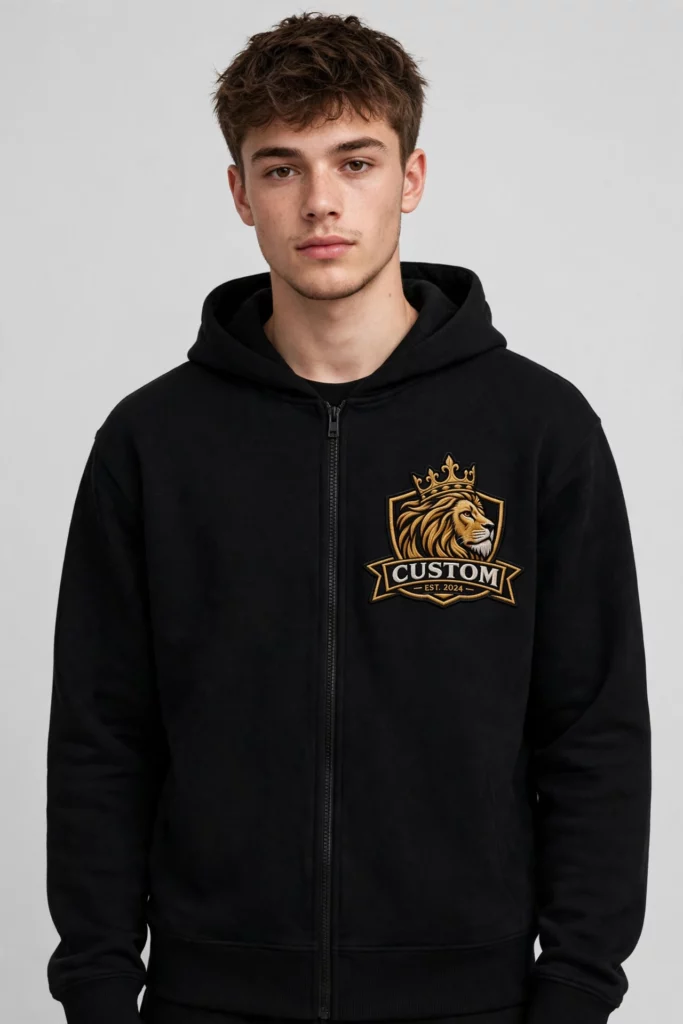
Club names, founding dates, and short mottos can add meaning to a badge. However, including too much text may make the finished artwork difficult to understand.
Prioritize essential information and use a font that remains legible at the intended dimensions. If the full name is lengthy, consider an established abbreviation or initials.
Leave enough spacing between letters and avoid decorative typography that obscures important wording. Reviewing the artwork at its actual size can reveal readability problems that may not be obvious on a computer screen.
Compare Different Patch Materials
Several construction methods are available, each offering a different finish.
Embroidered patches feature raised stitching and suit bold symbols, mascots, and traditional insignias.
Woven patches use finer threads, making them useful for smaller lettering and detailed lines.
Printed patches reproduce complex illustrations, gradients, and multiple colors.
Your choice should depend on the artwork, budget, and intended application. Comparing samples can help determine which material best represents your concept.
Select a Suitable Attachment Method
Iron-on backing offers convenient application when the receiving fabric can tolerate the required heat. It may work well for compatible cotton garments and selected uniform materials.
However, delicate textiles, waterproof coatings, and certain synthetic fabrics can be damaged by high temperatures. Check the garment label and follow the supplier’s instructions before applying adhesive-backed badges.
For clothing exposed to frequent washing or strenuous activity, additional stitching may improve durability when appropriate. Testing the application process on a spare garment can prevent problems during larger projects.
Plan Your Order Efficiently
Before requesting a quotation, confirm the final dimensions, artwork, colors, backing type, and required quantity. Ask about minimum order requirements, sample availability, production schedules, and delivery estimates.
Smaller clubs may need only enough pieces for current participants, while larger teams might require additional stock for future members. Estimating demand beforehand helps control expenses and reduces unnecessary leftovers.
Keep a copy of the approved artwork and specifications. This record simplifies repeat orders and helps maintain consistency when replacements are needed.
Conclusion
Clubs, sports teams, and community organizations can creatively express their shared identity with custom patches. A polished outcome is the product of meticulous planning, appropriate materials, well-balanced colors, and clear artwork.
You can design unique badges for uniforms, special events, and membership mementoes by taking the group’s mission into account and testing samples before to manufacturing. A well-thought-out logo can serve as a permanent reminder of collaboration, commitment, and common experiences.
Recommend0 recommendationsPublished in apparel