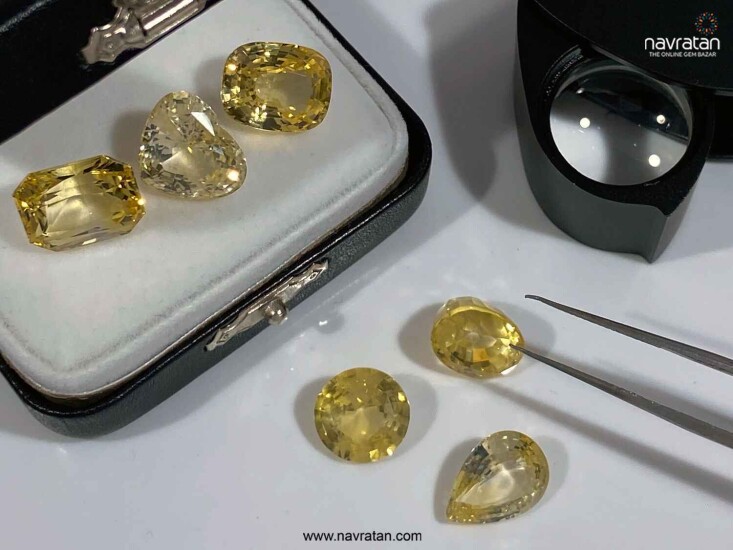
The yellow sapphire stone has been appreciated for centuries for its striking color and natural beauty. However, it can sometimes be hard to tell whether a sapphire is natural or treated. As many sapphires found in stores are treated in some way, it becomes difficult to figure out which stones are natural and which are not.
It is essential to know some details that help distinguish one stone from another, to learn how to recognize a natural stone and understand its true value. It is important to pay attention to several aspects, such as consistency of the color, clarity, and inclusions. We will tell you more about some interesting facts connected to natural yellow sapphires in this blog post.
To know how rare yellow sapphire is
Naturally occurring original Pukhraj stones seem fascinating due to their rarity in nature. More than a million years ago, they formed under the earth. There is a vibrant color spectrum in them, which gives you a range of lemony yellow to rich Canary tones. It’s a pride in their natural beauty. If no artificial treatment is done with these gems, they exhibit a unique characteristic that makes them different from other treated sapphires.
Presence of Inclusions: Nature’s Fingerprint:
One of the ways in which a natural yellow sapphire gemstone can be distinguished from a treated one is through its inclusions. The presence of this internal feature is said to be “nature’s fingerprint.” This “nature’s fingerprint” is a valuable clue about the origin of sapphire. During the journey of their geology, it is proven that these natural sapphires can have minute crystals, also known as mineral needles, in them. However, if you talk about the treated sapphires, they may be deficient in such a distinctive inclusion, and they look totally different when displayed.
Intensity and Color consistency
When we talk about the natural Original Pukhraj Stone, there is a consistent colour distribution. However, in treated gems, they may show some irregular tones, and this is due to the artificial treatments on them. The heat treatment given to the sapphire is very common, and it is due to raising the intensity of the colour, but it results in a less uniform appearance. The reliable sapphire has a rich intensity overall in the gem, and it radiates a natural shine that fascinates the owner of the gem.
To analyse the cut and polish
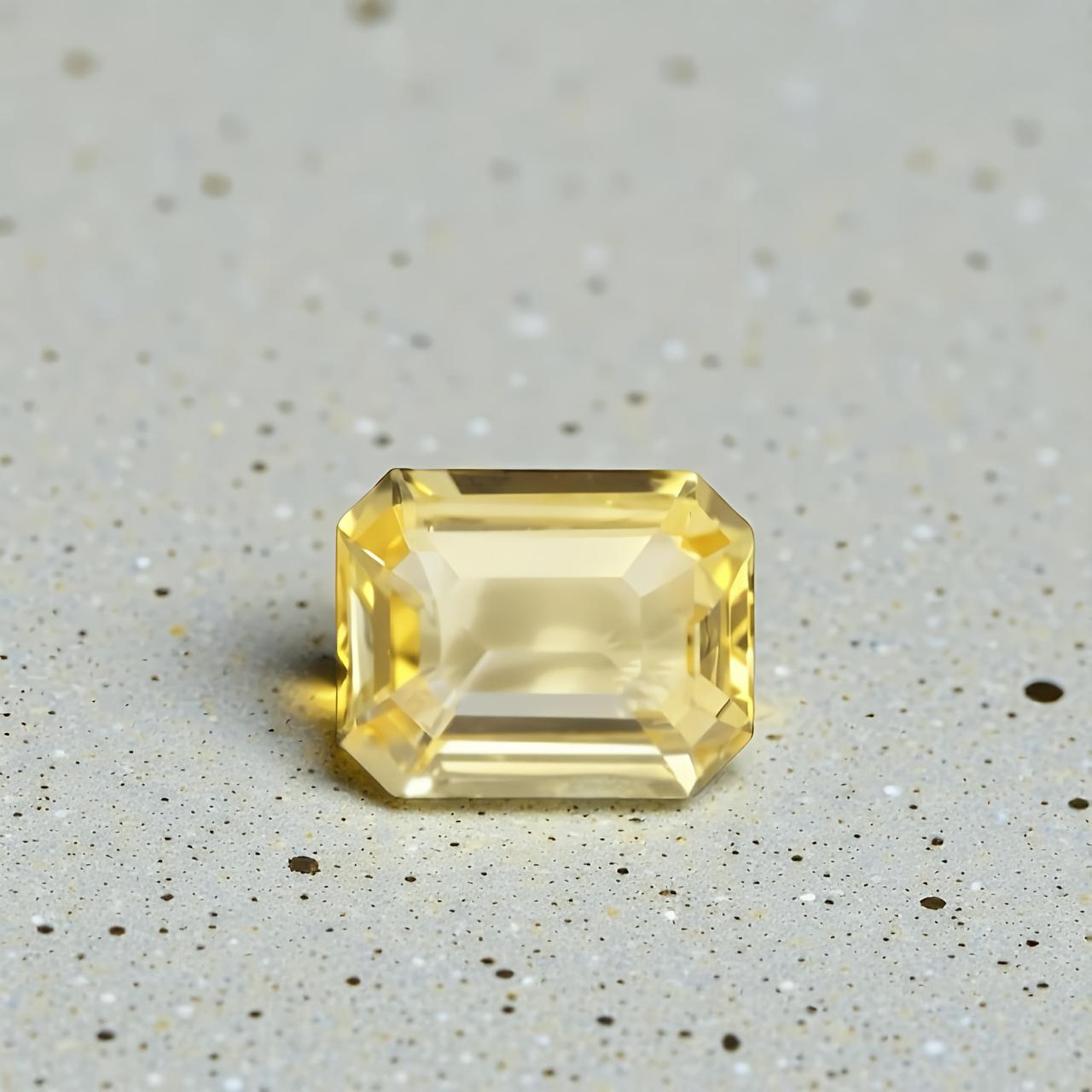
The reliability and authenticity of a 3-carat Pukhraj stone or a 7.25-carat yellow sapphire can also be revealed by the craftsmanship done by the gem cutter. To highlight the gem’s unique features, natural sapphire is usually cut to enhance its inherent beauty. If we talk about the treated stones, one can observe the irregular cutting or polishing.
Examining the Certificate of Authenticity
Always prefer to have a certificate of authenticity checked if there is any doubt. If reputable gem laboratories issue the sapphires, they provide a detailed report about the gem’s origin, its characteristics, and the treatments done on them. Make sure that the certificate is issued by a recognized and reputable authority, as it confirms the natural status of your yellow sapphire gemstone.
Conclusion
You need to determine the gem’s inclusions, its cut, the certificate, and the colour consistency. At Navaratan, we reveal the unknown facts that are hidden within the sapphire. Visit our wide range of collections if you love the fascinating world of authentic sapphires and their natural brilliance.
Recommend0 recommendationsPublished in Uncategorized