
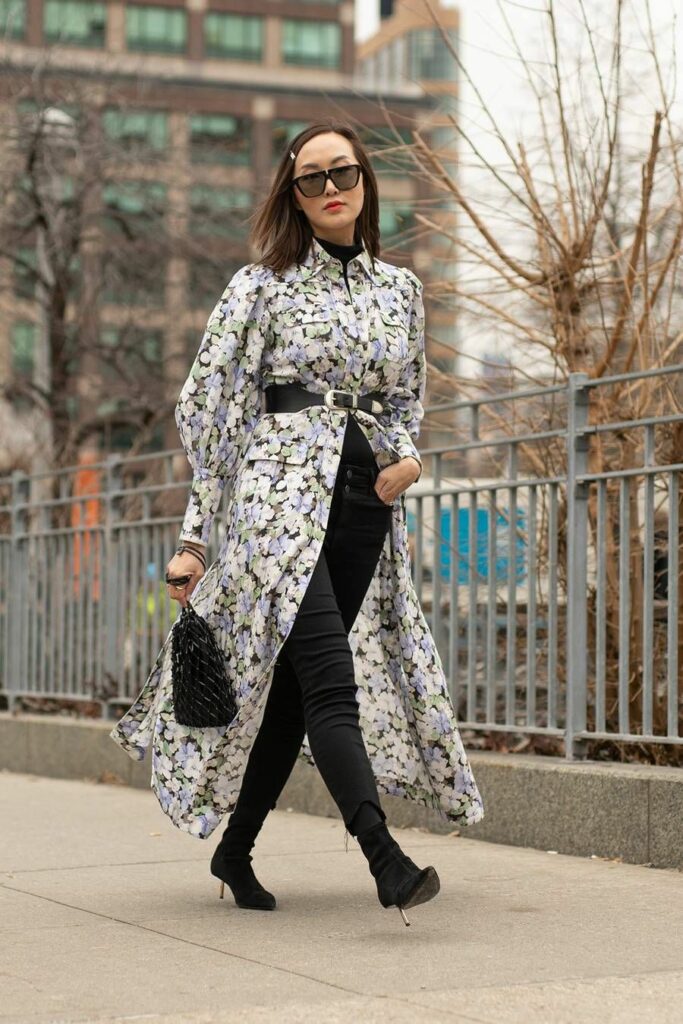
Kimono robes are fashionable for several reasons. One, they are constructed after the traditional clothes, which are characterized by structure and elegance. Full sleeves, a flowing figure, and considerate belts make the figure look designed and not sluggish. Kimonos, unlike shapeless robes, encase the body and provide motion in a manner that is fashionable.
Second, the kimono shape has been adopted by fashion houses and designers and incorporated into street wear, resort wear, and runway reconstructions. Current printed kimono robes are influenced by that; they no longer seem like a garment one throws on just because the clothes are there, instead, they feel like an item one wants to wear.
Finally, fabrics matter. Kimono robes crafted out of expensive fabric, such as satin, silk blends, superior cotton, or lightweight viscose, are smooth even in informal clothes.
Satin and Silk Blend Kimono Robes – Chic and Easy-going.
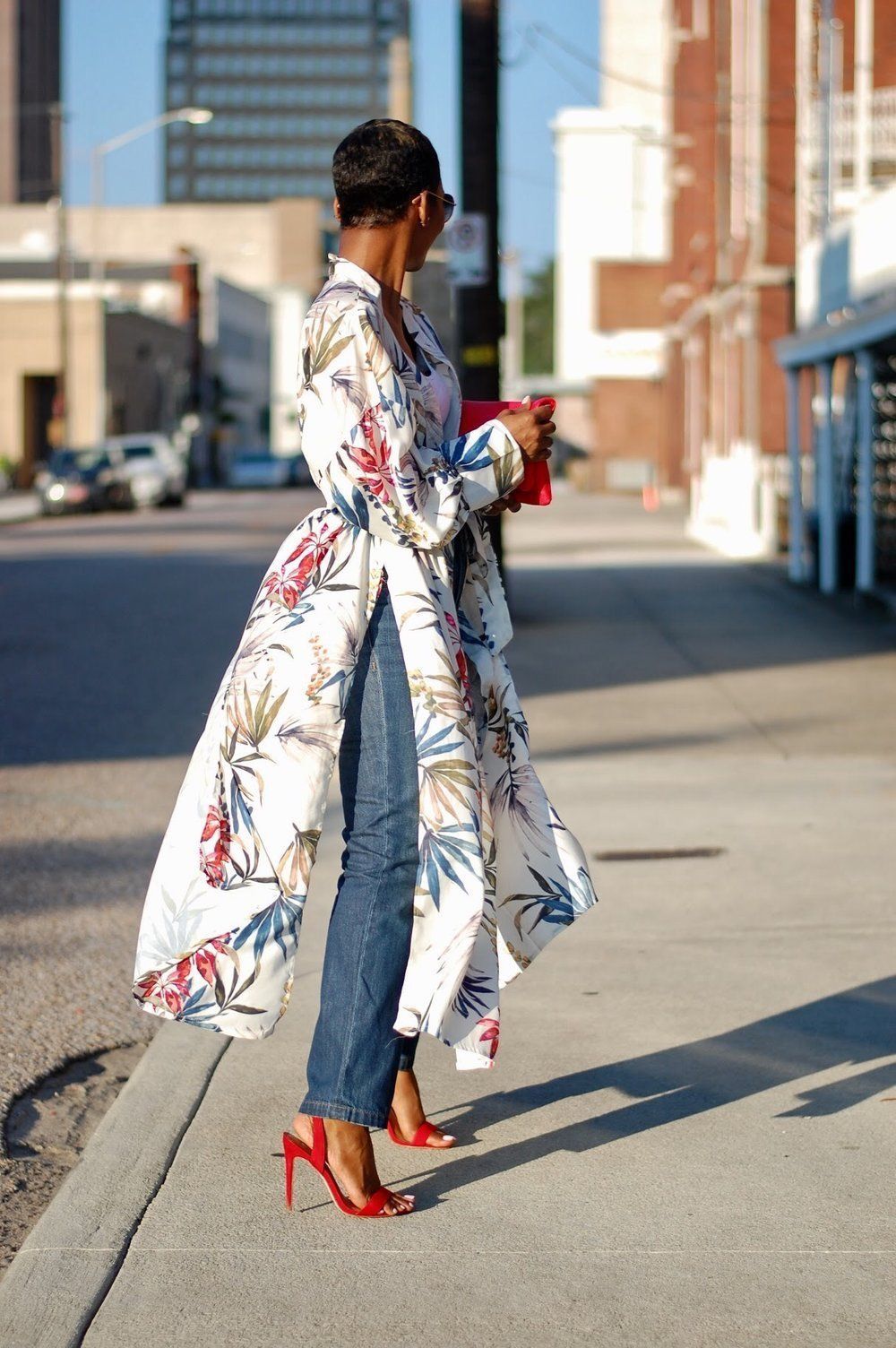
Mixed satin and silk fabrics are smooth to the touch and reflect the light immediately, giving the appearance a greater prestige. These robes are spent-a-moment deliberate as opposed to functional.
Satin kimono robes are effective, especially when:
Coupled with little sleep clothes such as camisole sets or tank and shorts.
Loosely unbuttoned as an overlay over lounge or leggings.
Purchased in rich jewel, delicate pastel, or sophisticated neutrals.
They are trendy as the shine and flow of the clothing resemble silk pajamas or posh dressing coats – but with a touch of modernism that is up-to-date, not old-fashioned.
Kimonos that are printed with artistic designs, decorative, and vivid.
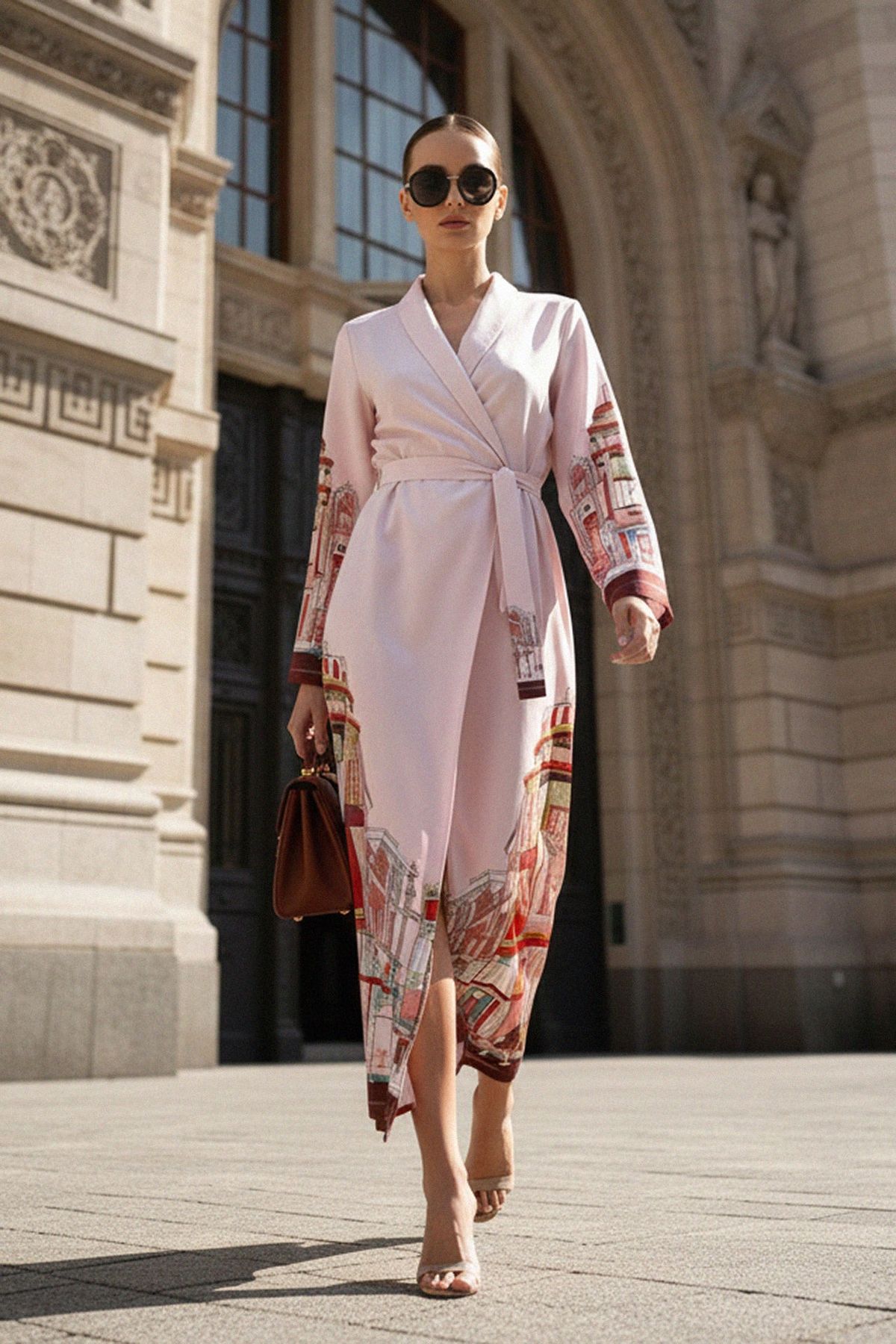
Prints take a robe to a higher level of comfort. Robe’s intention is provided by artistic patterns, e.g., abstract florals, daring geometrics, brush-stroke motifs, or prints that are inspired by artisans. Even combined with basic pieces, they appear like statement pieces.
They are particularly effective in situations where:
The print has a style consciousness – harmonized colors, considered scale.
Your robe is used as an outerwear garment (e.g., with a tee and lounge joggers)
You wear it in the form of a belt or knot.
Kimono robes are printed to touch well, not costume-like, and add a personality to your home style.
Smooth and Meditative Minimal Tonal Kimono Robes.
Fashion robes do not all require bold patterns. Oatmeal, cream, charcoal, and muted sage solids are minimalist tonal kimono robes, which are quietly high. These robes appear like expensive sweater jackets or loosely fitting duster coats when trimmed without much sewage and careful consideration of the material weight.
These robes shine when:
Torn in lounge-wear in matching or contrast colors.
At home, you desire a sophisticated, mod style.
Play with texture (e.g., cotton + rib knit)
They are used in interiors, as well as outdoors, also good on days of transition, when you are passing between rooms and times.
Velvet & Textured Kimonos– Statement Comfort.
Plush terry, textured weaves, and velvet add a richness to the touch that is luxurious and cozy at the same time. Such fabrics put the kimono shape into the realm of fashion, as they are not flat, not utilitarian, and not two-dimensional.
These robes are ideal when:
You desire additional coziness and high fashion.
You like cordial evenings and pampering.
You prefer pieces that have a feel as well as touch with the skin.
Even normal colours are trendy with rich textures.
Belted and custom-made Kimono Robes – Structured Beauty.
Kimono robes are available with specified belts, seams, or paneling that provide the garment’s structure. This makes it even more blurred with fashion since the robe now begins to look more like a jacket or duster that is inspired by a robe than the regular sleepwear.
The structured kimonos are a good match with:
Extended belts, which outline the waist.
Layering dresses over leggings or knit slacks.
Monochromatic loungewear that is easy to wear.
Silhouettes are formed by defined shapes with the appearance of something more deliberate rather than casual.
The Profiles of How to Wear Kimono Robes in a Day-to-Day Wear.
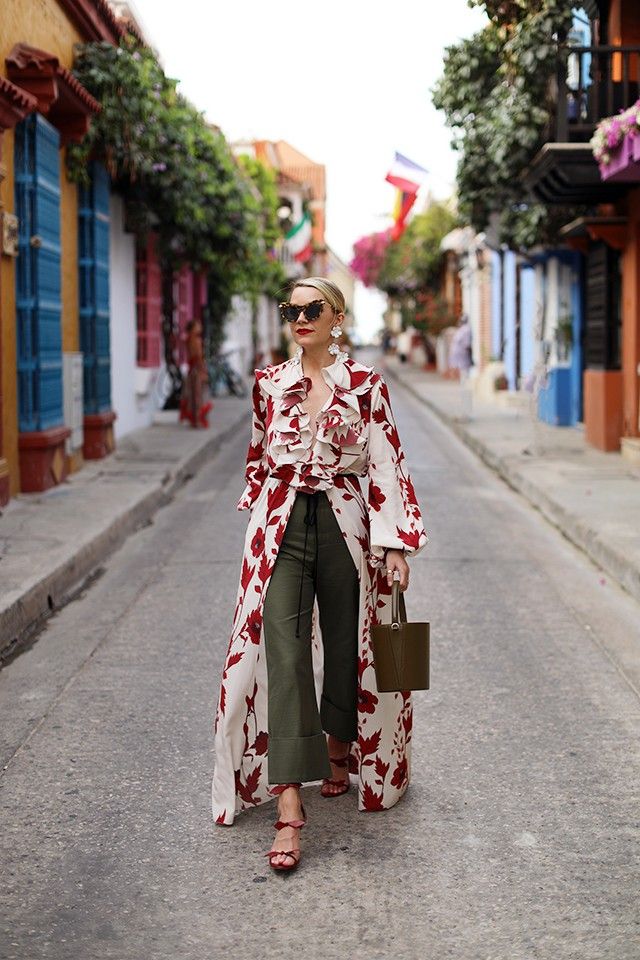
Kimono robes do not have to remain attached to the bedroom. This is what can be done to make the difference between sleepwear and fashion easy:
Layer Over Basics: Wear your robe, which is printed, unbuttoned over a tank and lounge pants or leggings, and it feels like it’s being pulled right in.
Add Basic accessories: Minimal jewelry, soft slips, or slides will add height to the outfit with ease.
Wear as a Wrap: Tie the belt loosely so that it is comfortable, or knot it so that it takes the outline of an outerwear style.
Match Tones: The appearance of the robe in harmony with the base layers gives the impression of a purposeful outfit and style.
Final Thought
Kimono robes are more fashionable than sleep robes as they are welcoming to structure, personality, and style. Their figure is naturally graceful, their designs add personality, and their materials are of good quality, but they do not feel practical. Comfort, in 2026, does not imply the lack of style; instead, it implies edited comfort, and the transition of kimono robes in print is on the front line.
When your home clothes are carefully considered, all the time (slow mornings, lax evenings, etc.) will feel like you have more roots, more certainty, and more beauty.
Recommend0 recommendationsPublished in Uncategorized
