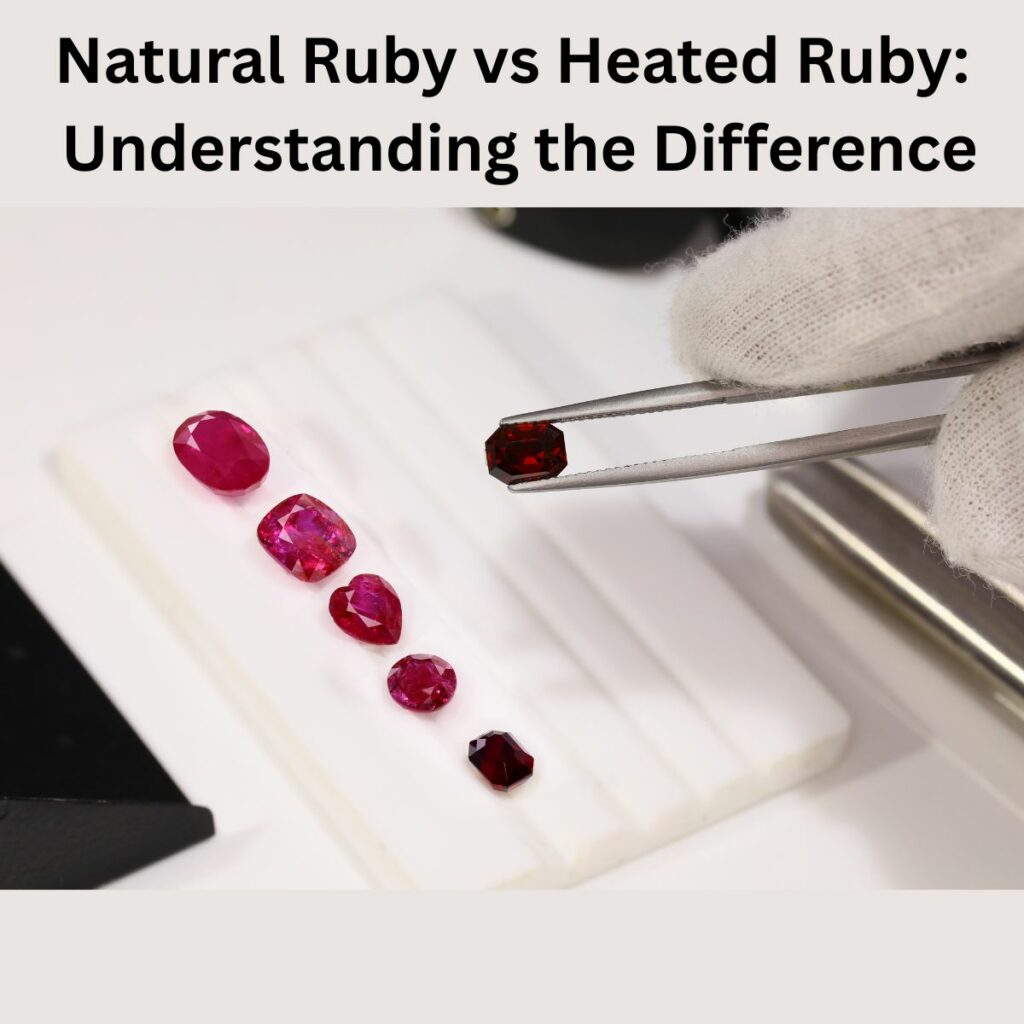
The primary difference between a natural ruby and one that has been heated is the fact that a heated one is treated with heat to enhance its clarity and color and clarity, whereas a natural one is not treated. Both are real gemstones; however, untreated gems are rarer and typically fetch a greater cost for a ruby.
If you’re considering buying a ruby stone, a ruby ring, or manik stones, knowing the difference can assist you to make the right decision about your investment.
What Is a Natural Ruby?
The natural gem is a gem that is formed deep in the Earth without enhancement techniques. The colors, inclusions and form are all natural.
Benefits of Natural Ruby
Rare and extremely collectible
Greater long-term investment value
Preferred by collectors of gemstones
It is often recommended for astrological use.
Potential for higher resales
Natural red rubies that have a vibrant colour and very few inclusions are among the expensive gemstones found in the world.
What Is a Heated Ruby?
The term “heated” ruby refers to a natural stone that was heated in order to enhance its quality and appearance. The process of heating is a widely recognized practice within the gemstone sector.
Why Are Rubies Heated?
The gem dealers can heat rubies up in order to:
Improve the color of your skin
Eliminate visible imperfections
Increase the transparency
Enhance market appeal
Over 90% of the rubies on the marketplace have been subjected to one form or another of heating treatment.
Natural Ruby vs Heated Ruby: Key Differences
Feature Natural Ruby Heated Ruby
Treatment Treatment is not available. Heat-treated
Rarity Extremely rare Common
Appearance Natural color, inclusions and natural coloring Clarity and color enhancement
Value Higher Less expensive than rubies untreated
Investment Potential Excellent Moderate
Ruby Stone Price Premium price Affordable
How Heat Treatment Affects Ruby Stone Price
One of the most significant influences on the ruby stone price is its treatment quality.
Untreated Rubies
Since they’re rare and untreated, rubies are sold at significantly greater price. Natural rubies of high-quality can be many times more than comparable stones that are heated.
Heated Rubies
The heated rubies are stunning with a lower cost. They’re perfect for people who are looking to purchase a stunning ruby ring, without having to pay much for the rarity.
Which Ruby Is Better for Astrology?
In order to help in astrology, numerous professionals recommend natural, non-treated manik stone as it’s believed to keep its energy from the beginning.
Though, the opinions differ according to astrologers. Some consider normal heat-treated rubies to be acceptable as long as the stone remains pure and not treated with chemicals.
Always consult an experienced Astrologer prior to purchasing a stone to use for astrological purposes.
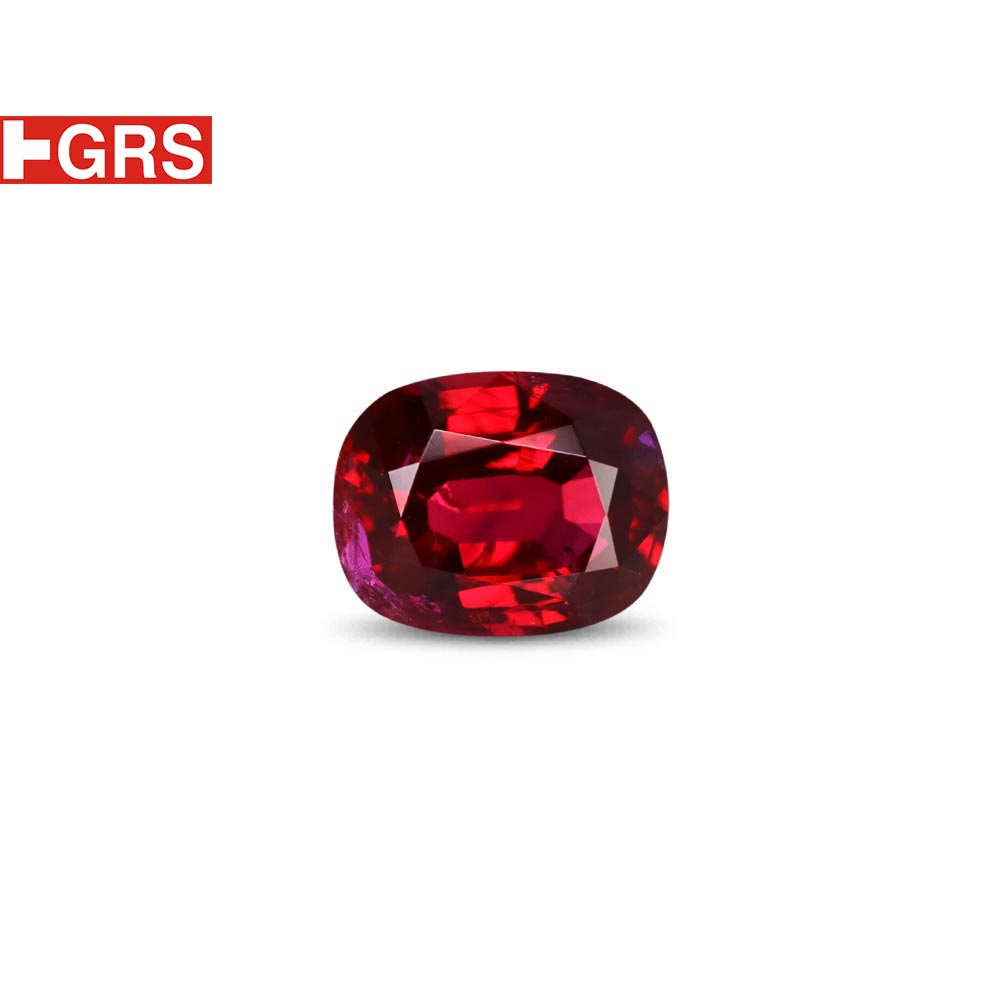
Image Resource: Navratan Gemstone
How to Identify Natural and Heated Rubies
The most secure way to do this is to obtain a diamond certificate from an accredited laboratory.
Find documents that state clearly:
Natural Ruby
Heated or Unheated Status
Origin (if there is one)
Clarity attributes
Carat weight
Do not rely on only visually inspected items, since the distinctions can be hard to spot.
Buying Tips for a Ruby Ring
When you’re looking to purchase the ruby ring, take into consideration:
Accreditation from a well-known gemological lab
Quality of color (rich red is the most sought-after)
Transparency and clarity
Treatment disclosure
Budget and the purpose
If you want to invest, pick natural stones. To be used for everyday wear the heated rubies usually offer more quality.
Frequently Asked Questions
1. Are heated rubies genuine ruby?
Yes. The heated ruby remains real natural stone. The heat treatment will only improve its look.
2. Why is a natural ruby higher in price?
Rarer are untreated rubies than heated rubies. This makes their value and worth more for collectors.
3. Which one is more valuable: natural ruby, or heated?
Natural rubies are more suitable to invest in and rarity as well as investment. However, heated rubies can provide stunning beauty for a less cost.
4. Does heat treatment affect durability?
No. When properly heated, rubies are durable and are suitable for daily jewelry usage.
5. What can I do to determine whether a diamond is heated?
Get a certificate of a gem from a reputable laboratory which provides information about the treatment.
Conclusion
If you are comparing natural ruby with hot ruby, neither is necessarily “bad.” The best choice is based on what you want to accomplish. If you’re seeking rarity as well as investment potential or even an astrological manik stone, an untreated stone is a good alternative. If you’re in search of a gorgeous and cost-effective stone to make the ruby ring, a heated ruby is a great value. Make sure you purchase certified stones and know how the treatment impacts the quality of the stone and its price prior to purchasing.
Recommend0 recommendationsPublished in Uncategorized