

In recent years, the skincare industry has seen a massive shift toward products labeled natural, organic, or plant-based. From herbal face washes to botanical serums, many consumers now believe that natural ingredients are automatically safer, gentler, and more effective for their skin. But is that really true? Are natural ingredients always better for your skin, or is the reality more complex than marketing claims suggest?
Let’s take a closer look at what “natural” really means in skincare, its benefits, limitations, and how it compares to synthetic ingredients.
What Do “Natural Ingredients” in Skincare Actually Mean?
One of the biggest misconceptions in skincare is that the term natural has a strict definition. In reality, most countries do not have a legal or scientific standard for what qualifies as a “natural” skincare ingredient. Generally, natural ingredients are derived from plants, minerals, or animal sources with minimal processing.
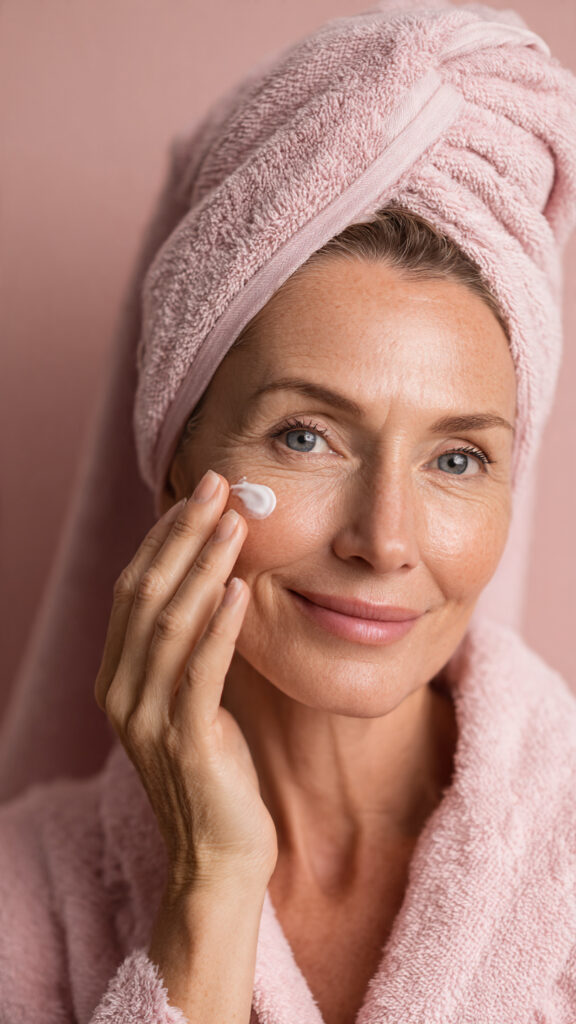
Examples include aloe vera, tea tree oil, shea butter, coconut oil, honey, clay, and essential oils. While these ingredients come from nature, they are not automatically safer or more effective just because they are natural.
Why Natural Ingredients Are So Popular
The popularity of natural skincare products didn’t happen by accident. Several factors have contributed to their growing demand.
First, consumers are becoming more conscious of what they apply to their skin. Concerns about parabens, sulfates, artificial fragrances, and harsh chemicals have led people to seek gentler alternatives. Natural ingredients are often perceived as clean, pure, and less harmful.
Second, there is a growing environmental awareness. Many people believe natural skincare products are more eco-friendly, biodegradable, and sustainably sourced, which aligns with a greener lifestyle.
Finally, marketing plays a huge role. Words like herbal, chemical-free, and plant-powered create trust and emotional appeal, even when the science behind them may be limited.
Benefits of Natural Ingredients for Skin
There’s no denying that many natural ingredients offer real skincare benefits.
Natural ingredients are often rich in vitamins, antioxidants, and fatty acids that help nourish and protect the skin. For example, aloe vera can soothe irritation, green tea provides antioxidant protection, and rosehip oil supports skin repair and hydration.
Another advantage is simplicity. Natural formulations often contain fewer ingredients, which can be helpful for people with sensitive skin who react to complex chemical blends.
Additionally, some traditional remedies backed by years of use—such as turmeric, neem, or oatmeal—can be effective for specific skin concerns when used correctly.
The Hidden Risks of Natural Skincare
Despite their positive image, natural ingredients are not risk-free.
Many natural substances can cause irritation, allergic reactions, or sensitivity. Essential oils like lavender, citrus, and peppermint are common examples. While they are natural, they can trigger redness, itching, or even burns, especially when used in high concentrations.
Another issue is stability. Natural ingredients tend to degrade faster than synthetic ones. Without proper preservatives, natural products may spoil, grow bacteria, or lose effectiveness over time.
Natural skincare products can also lack consistency. Because plant-based ingredients vary depending on harvest, climate, and processing, the quality and potency of natural extracts can change from batch to batch.
Are Synthetic Ingredients Really Bad?
The word synthetic often scares consumers, but synthetic does not automatically mean harmful. In fact, many synthetic skincare ingredients are designed to be safer, more stable, and more effective than their natural counterparts.
Ingredients like hyaluronic acid, niacinamide, salicylic acid, and ceramides are often lab-created versions of substances already found in the body or nature. These ingredients are carefully tested, standardized, and supported by scientific research.

Synthetic preservatives, for example, help prevent bacterial growth and keep products safe for longer periods. Without them, even the most natural product can become unsafe to use.
Natural vs. Synthetic: What Actually Matters for Your Skin
Rather than focusing on whether an ingredient is natural or synthetic, it’s more important to look at how it performs and how your skin reacts.
Skin type, condition, and sensitivity play a much bigger role in determining what works best. A natural ingredient that works wonders for one person may cause breakouts or irritation for another. Similarly, a synthetic ingredient may provide targeted results without causing harm.
What truly matters is formulation, concentration, and compatibility with your skin—not the label on the bottle.
The Myth of “Chemical-Free” Skincare
One of the biggest myths in the beauty industry is the idea of chemical-free skincare. Everything around us, including water and plant extracts, is made of chemicals. Natural ingredients are chemicals too—they’re just naturally occurring ones.
This misconception often leads consumers to fear safe, well-researched ingredients while trusting natural ones without questioning their effects. Understanding this can help you make more informed skincare choices.
How to Choose the Right Skincare Products
Instead of blindly choosing natural products, consider these practical tips:
Read the ingredient list carefully and look for ingredients proven to address your specific skin concern. Pay attention to how your skin reacts after use, not just the marketing claims. Patch testing is especially important for natural products containing essential oils or botanical extracts.
Look for products backed by dermatological testing and scientific evidence. A balanced formulation that combines safe synthetic ingredients with beneficial natural extracts often delivers the best results.
So, Are Natural Ingredients Always Better for Your Skin?
The simple answer is no—natural ingredients are not always better. While they can offer excellent benefits, they also come with limitations and potential risks. Synthetic ingredients, when properly formulated, can be just as safe and often more reliable.
Healthy skin doesn’t depend on choosing natural over synthetic—it depends on choosing what works best for your skin. Understanding ingredients, listening to your skin’s needs, and avoiding fear-based marketing will help you build a skincare routine that truly delivers results.
In the end, the best skincare approach isn’t about natural versus synthetic—it’s about smart, informed, and balanced choices.
Recommend0 recommendationsPublished in Uncategorized