Quick answer: Spring 2027 fashion trends emerging from Paris include dimensional texture, playful volume, netting, and olive green, according to Fashionista’s October 9 runway report. For everyday dressing, choose one idea and combine it with familiar clothes. A runway appearance signals a design direction; it does not prove that every shopper will wear it or that you need to replace your wardrobe.
Fashion Month creates a large volume of images, but the practical challenge is smaller: which detail could make your existing outfits feel interesting? This guide uses a current report as its starting point and develops original styling suggestions for readers in the USA, UK, Canada, Australia and New Zealand. The photographs illustrate general styling, rather than documenting the collections discussed.
What the latest Paris runway reports show
Fashionista’s Paris Spring 2027 roundup identified three-dimensional florals, bubble shapes, netted pieces, refreshed classic garments and olive tones among its selected directions. That is a snapshot of the runway conversation, not a definitive ranking of consumer demand. Different editors can emphasize different collections and reach different trend lists from the same season.
Use this distinction when browsing social media. A striking photograph may represent an exceptional showpiece rather than a useful wardrobe basic. Ask what exactly you like: the color, proportion, texture, or styling. Once you identify that feature, you can explore a smaller version without needing the original garment or an imitation of a designer’s work.
Try texture in an everyday proportion
Dimensional details can work as a modest accent. A fabric flower on a bag, a textured knit or a softly gathered sleeve can add depth to a simple outfit. Keep the surrounding pieces relatively calm for the first attempt, then decide whether you enjoy the result during a normal day.
Texture also changes how an outfit feels and functions. Check whether a decoration catches on your coat, presses uncomfortably under a bag strap, or makes cleaning more complicated. For work, a subtle surface detail may be easier to repeat than a large sculptural embellishment. For an evening event, you may decide that the larger statement is exactly the point.
Use olive as a flexible styling color
Olive can be treated as an alternative to a familiar neutral. Try it with cream for a lighter combination, with charcoal for a quieter outfit, or with a warm brown accessory for a softer palette. The specific shade matters: yellow-green, muted khaki, and deep olive can look very different together.
Start by holding existing pieces side by side in daylight. If a full olive outfit feels unfamiliar, test a shirt, scarf, or bag instead. Readers who prefer brighter colors can use olive as a backdrop rather than a new wardrobe rule. The purpose is to create a combination you like, not to assign a compulsory seasonal color to everyone.
Refresh the shirt you already own
A button-down shirt provides a practical place to explore changing proportions. Wear it open over a simple top, try a partial tuck, or pair a roomier shirt with a more structured lower half. Confirm that the sleeves and shoulders still allow comfortable movement rather than confusing oversized with poorly fitting.
Menswear and womenswear wardrobes both offer useful shirt options, and department labels do not determine who can wear them. Look at measurements, fabric weight, and the position of the buttons. If you already own a shirt you like, experiment with styling before shopping for a supposedly essential replacement that performs the same role.
Balance volume with deliberate fit
A fuller skirt or wider trousers do not need to be balanced by a tight top. Instead, look for a clear relationship between the pieces: a defined shoulder, a visible waist position, or an intentional difference in length. A relaxed outfit can be polished when the proportions are considered as a whole.
Test volume while sitting and walking, especially if you commute or share small spaces. Petite shoppers may adjust the length of a full garment; plus-size shoppers may prefer a particular waistband or drape. Neither body category requires avoiding volume. Comfort, movement, and personal taste provide better guidance than blanket rules about which shapes are allowed.
Approach netting with useful layers
Openwork fabric can be styled over a tank, a slip, or a coordinating base layer. Choose the amount of coverage you want before deciding on the rest of the outfit. A netted detail on an accessory may deliver the visual idea with fewer practical considerations than a full garment.
Try the layers in different lighting and check how they move together. A base that rides up or a surface that catches on jewelry can make the combination frustrating. Follow workplace or venue expectations when relevant, and remember that a runway styling choice is a creative proposal rather than an instruction to reveal more skin.
Translate runway ideas into menswear
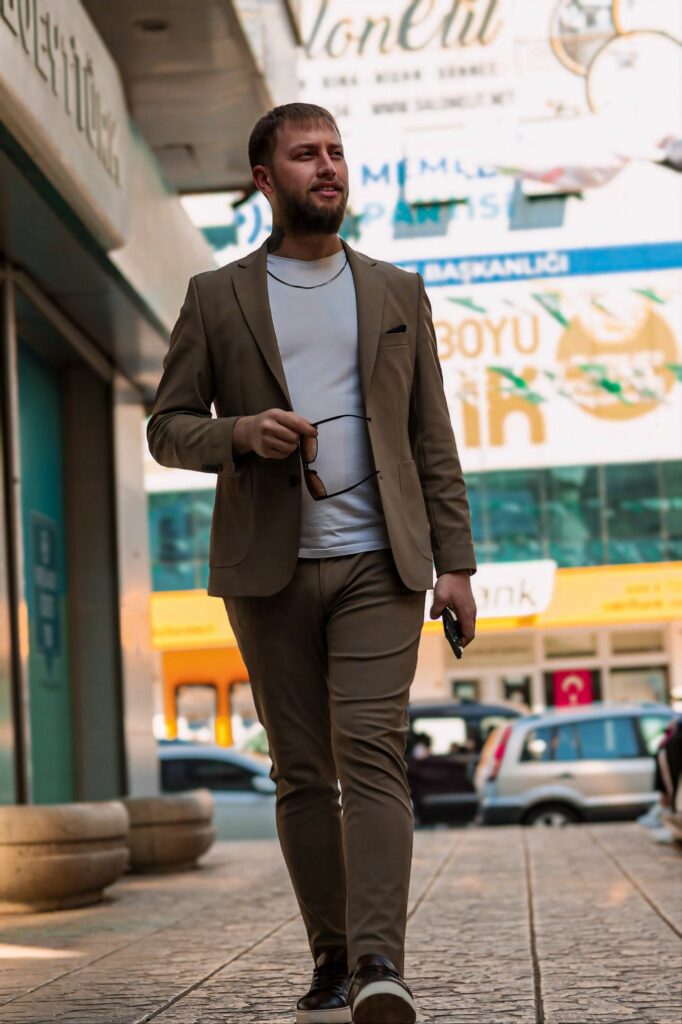
A textured knit, wider-leg trouser, or earthy color can refresh a menswear outfit without turning it into a costume. Begin with a familiar foundation, then change one element. For example, use an olive overshirt with dark trousers, or combine a clean shirt with a slightly fuller trouser silhouette.
For formal settings, preserve the requirements of the dress code first. A fashion show and a client meeting have different purposes. If you want a stronger experimental look, use a social occasion where that expression feels appropriate. Photograph the complete outfit with shoes and outerwear, because proportions often change when those final pieces are added.
Plan around your hemisphere
The Spring 2027 collection label does not mean every reader needs spring clothes immediately. In October and November 2026, much of the Northern Hemisphere is moving through autumn, while Australia and New Zealand are moving through spring. Actual temperatures still vary considerably between cities and regions.
US, UK and Canadian readers can test colors and textures through layering while keeping weather-appropriate outerwear. Australian and New Zealand readers may find lighter combinations useful sooner, depending on local conditions. Avoid using a global trend headline as a substitute for the forecast, the venue or the practical requirements of your own day.
Build a trend test before shopping
Choose a single idea and create three combinations with existing clothes. Wear the most promising one for an ordinary activity, then note what worked. If the idea still appeals after repeated use, identify a specific missing piece rather than browsing an entire trend category without a purpose.
Consider alteration, borrowing, rental, or resale when appropriate. Check measurements, condition, care requirements, and return terms. A low price does not make an item useful if it duplicates something you do not wear. A successful trend experiment should expand your outfit options while fitting the routines you already have.
Spring 2027 fashion trends questions
Are these the only trends for spring 2027? No. They are selected directions from one October 2026 Paris runway report. Other cities, designers, and publications contribute additional perspectives. The styling advice here is an interpretation, not a claim of universal adoption.
Can I wear next season’s ideas now? Yes, if the garments suit your local weather and the occasion. Color, texture, and proportion can often be adapted with existing layers, while some lightweight pieces may be more practical later.
Should I buy designer clothing to follow a runway trend? That is a personal choice, not a requirement. First identify the detail you enjoy and see whether you can express it with your current wardrobe. Fit and repeated wear are more useful goals than reproducing a label.
Reporting source: Fashionista, 10 Runway Trends to Know from Paris Fashion Week Spring 2027, October 9, 2026: https://fashionista.com/2026/10/paris-fashion-week-spring-2027-trends. Reporting checked October 21, 2026. The outfit suggestions are this article’s editorial interpretation.
Cover caption: Wearable runway styling begins with deliberate proportions and tailoring that works in everyday settings. Illustrative stock photograph, not a Spring 2027 runway image. Image source: Murat IŞIK / Pexels, https://www.pexels.com/photo/man-wearing-suit-walking-on-a-street-21418275/
Recommend0 recommendationsPublished in apparel, Pop Fashion, street style