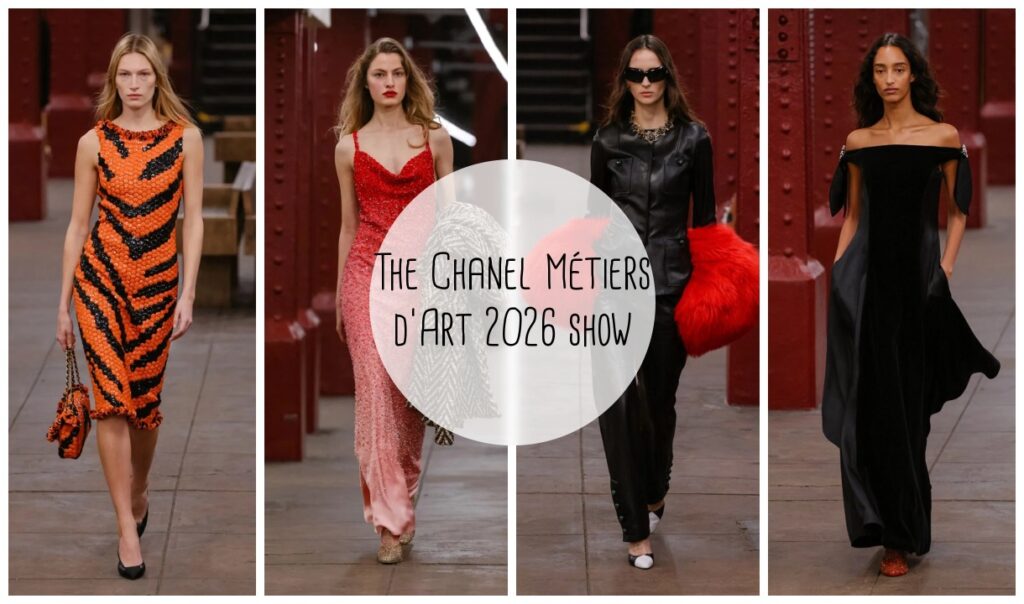

The Chanel Métiers d’Art 2026 show, held on December 2, 2025 in New York City, was a groundbreaking spectacle staged in the abandoned Bowery subway station, blending Parisian haute couture with the raw energy of Manhattan’s underground culture. It marked Matthieu Blazy’s first Métiers d’Art collection for Chanel, and it redefined the house’s codes with a modern, poetic twist.
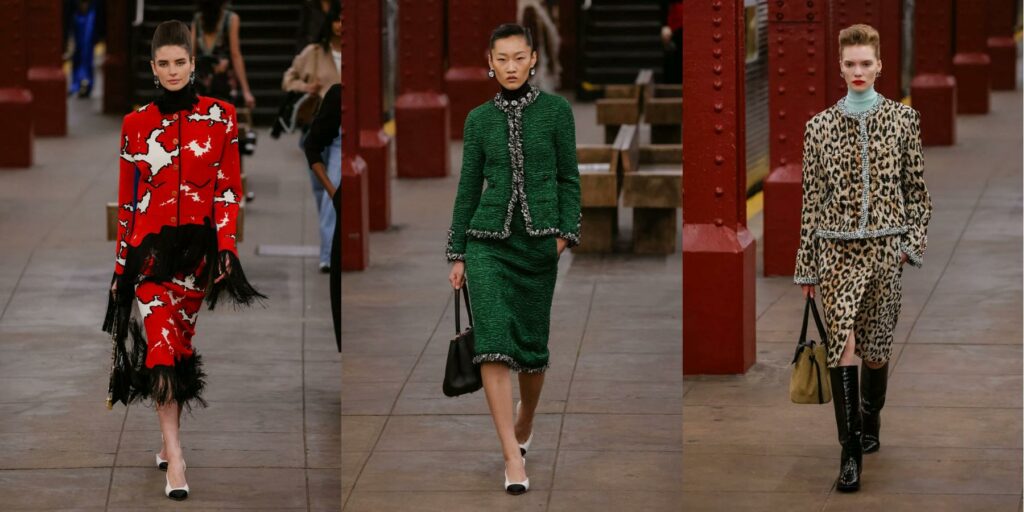
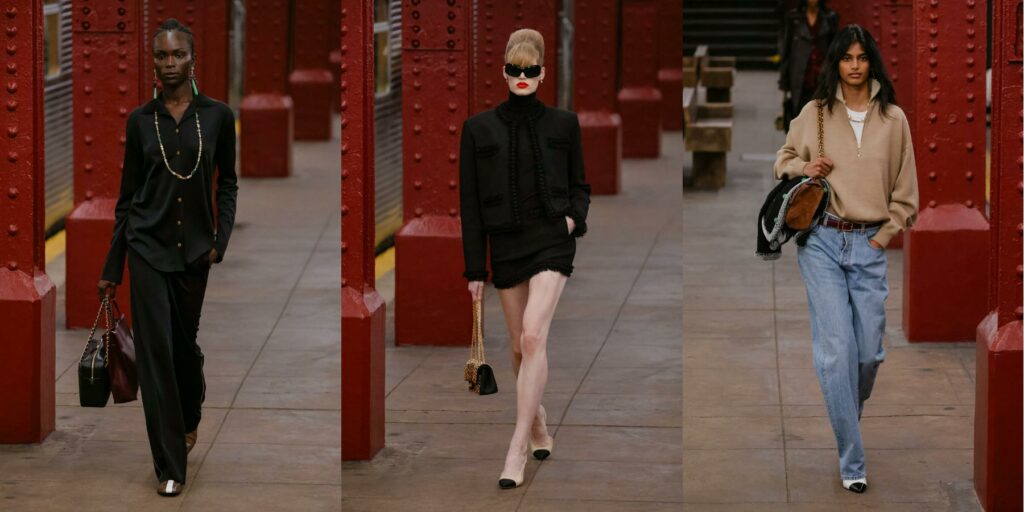
Setting the Stage: The Subway as Runway 
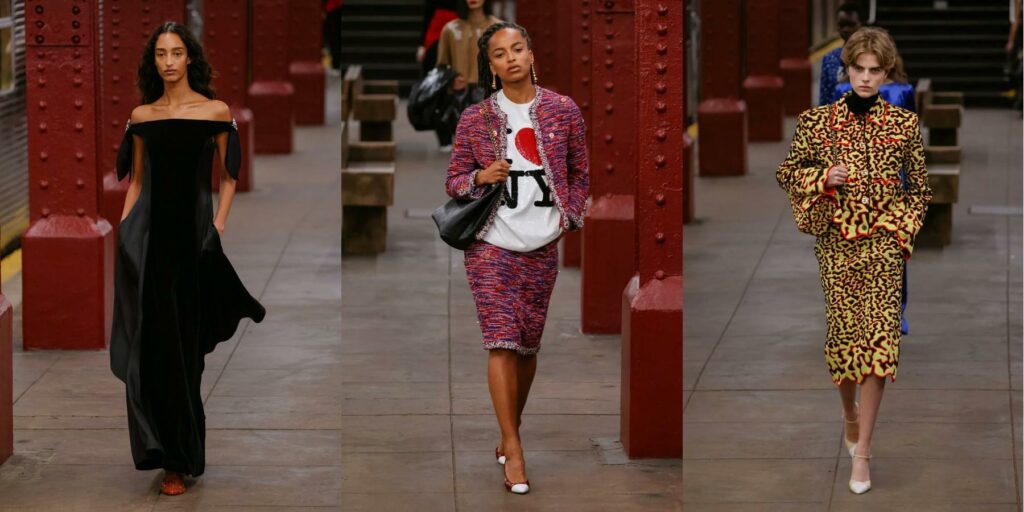
Instead of choosing iconic venues like the Guggenheim or the Met, Matthieu Blazy opted for Bowery Station, a disused subway platform in the Lower East Side. This choice was symbolic: the subway represents diversity, accessibility, and unexpected encounters, a stark contrast to the exclusivity of haute couture. Blazy himself explained that the subway is where “different social strata dissolve,” a place where opera-goers in evening gowns cross paths with students or street performers.
The gritty backdrop of graffiti, tiled walls, and echoes of urban life became a canvas for Chanel’s artisanship. It was a love letter to New York, but one that embraced its imperfections rather than polished glamour.
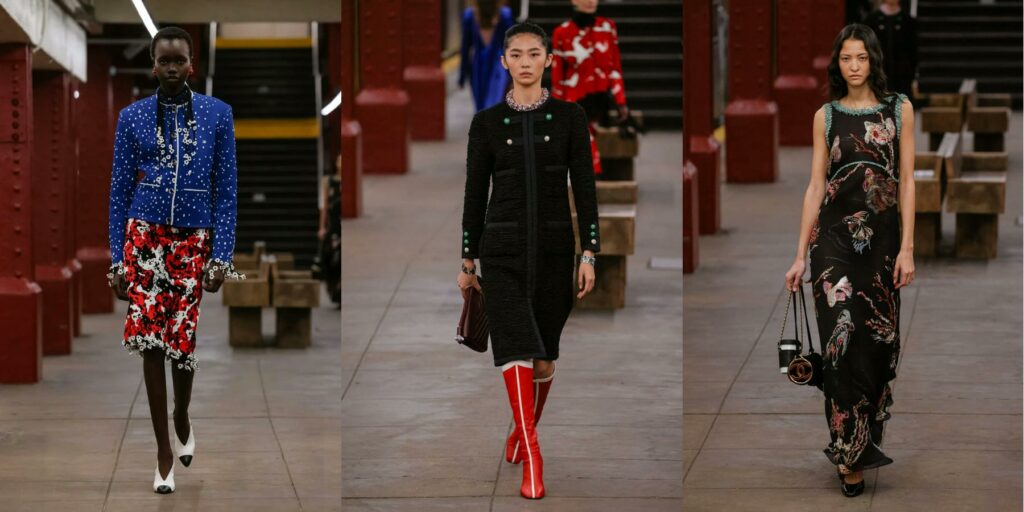
The Collection: Tradition Meets Whimsy 
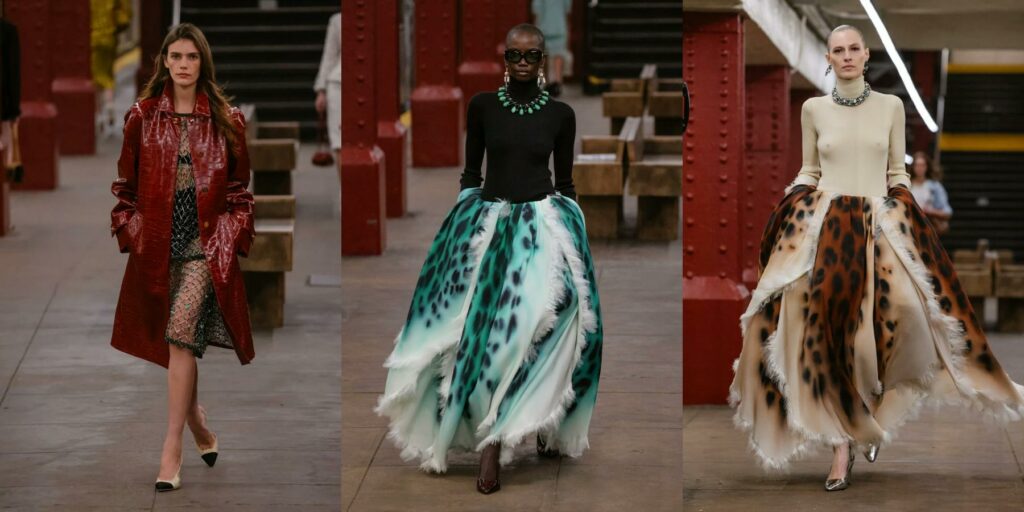
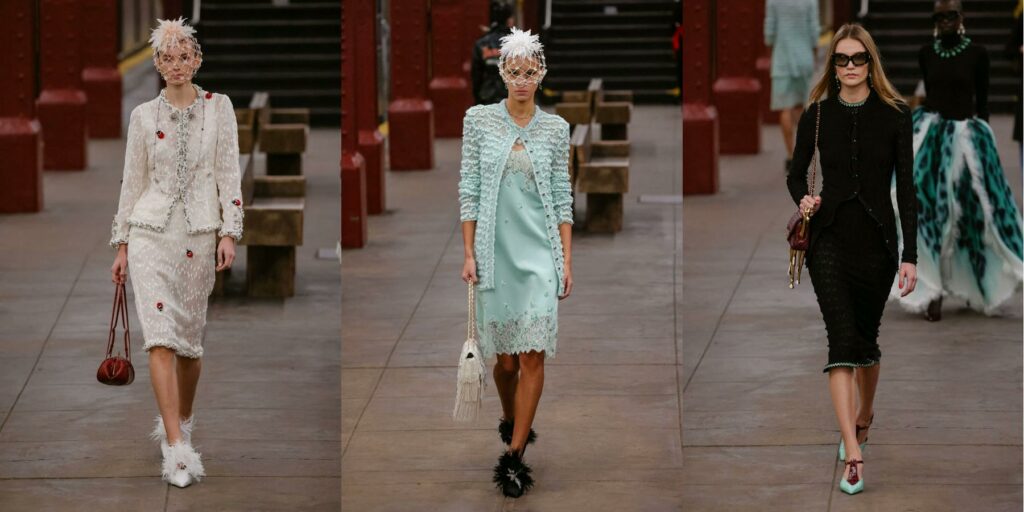
The Métiers d’Art line traditionally celebrates the craftsmanship of Chanel’s ateliers—embroiderers, feather workers, goldsmiths, and milliners. For 2026, Blazy infused this heritage with playful eccentricity and urban references:
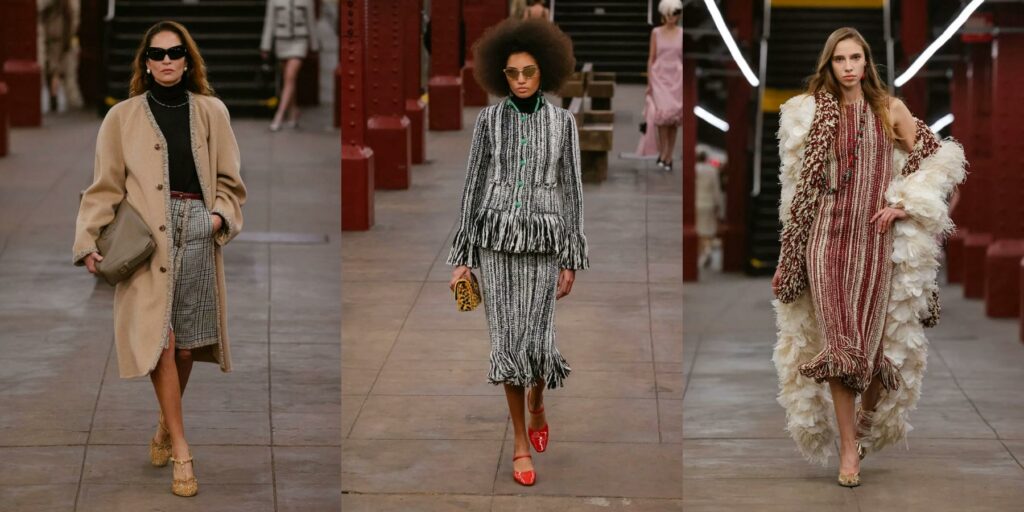
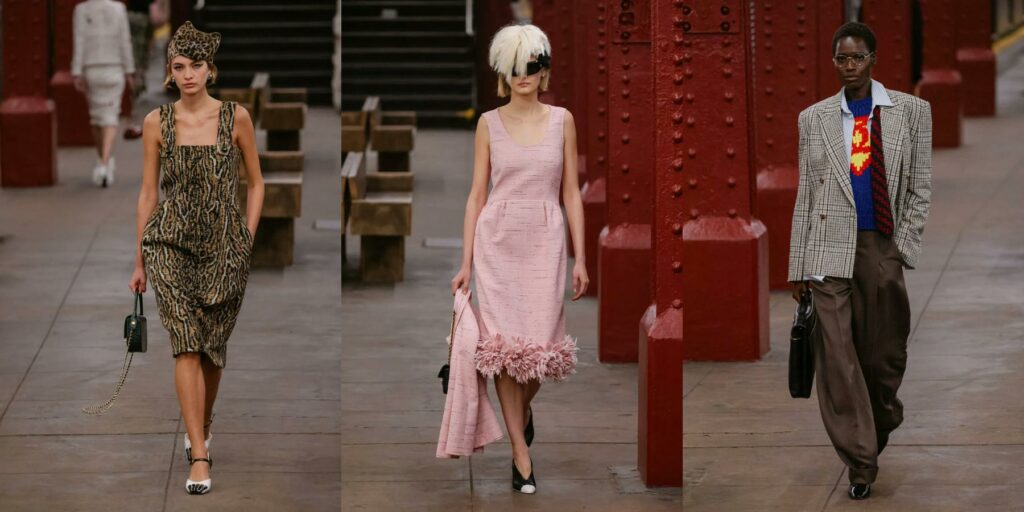
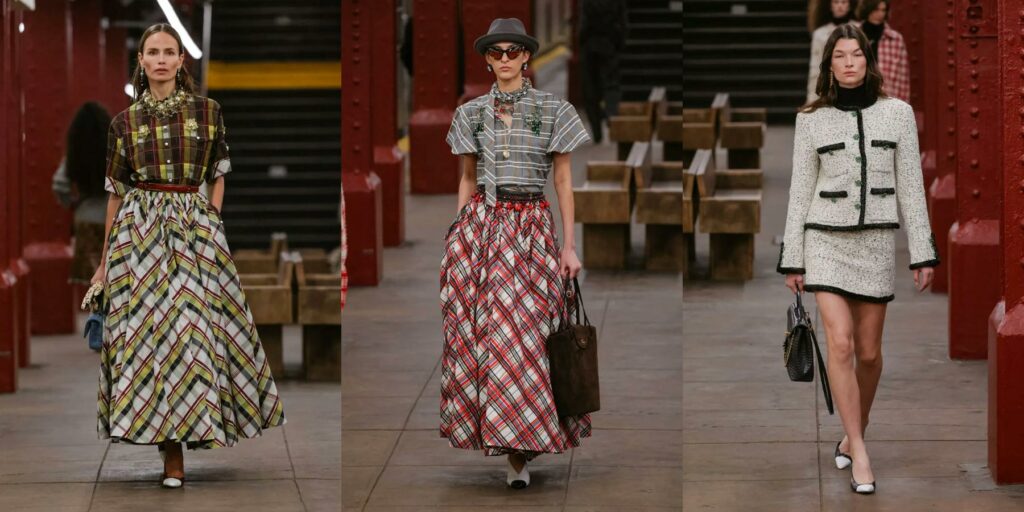
Tailored tweeds were reimagined with subway-inspired motifs, metallic threads mimicking train rails, and graffiti-like embroidery.
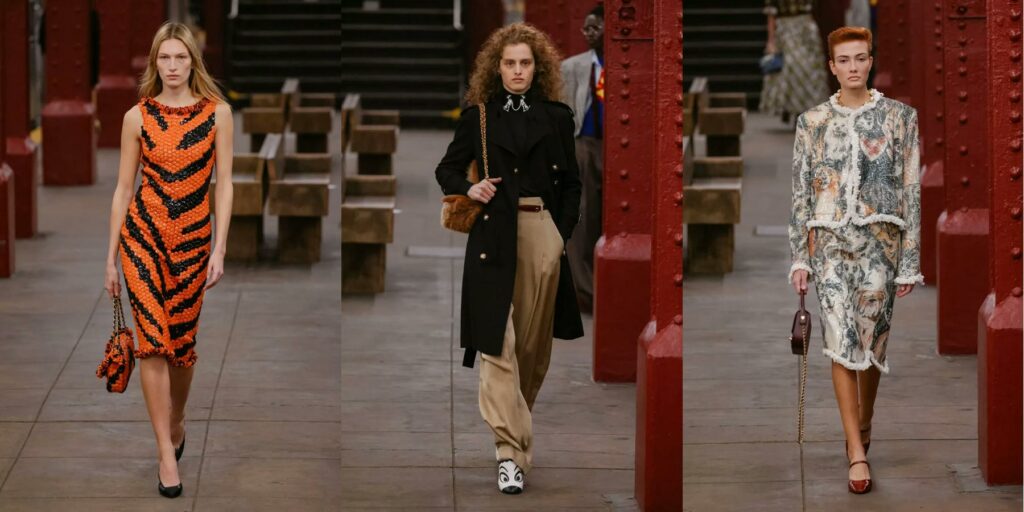
Evening gowns shimmered with sequins arranged like city lights, while accessories echoed the geometry of subway tiles.
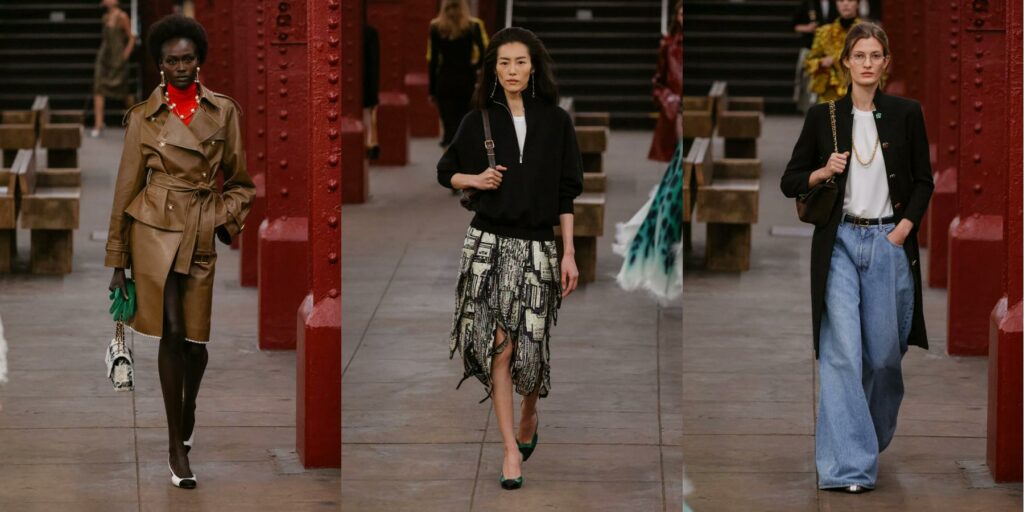
Streetwear influences appeared in oversized coats, layered knitwear, and sneakers paired with couture detailing, bridging luxury and everyday wear.
The collection balanced whimsy and practicality, offering garments that were both visually striking and wearable. Each piece highlighted the savoir-faire of Chanel’s artisans, proving that craftsmanship can thrive even in unconventional contexts.

Symbolism and Cultural Resonance 
Blazy’s decision to stage the show underground resonated with broader cultural themes. New York’s new mayor, Zohran Mamdani, had campaigned on making the city more accessible, often using the subway as a symbol of unity. Chanel’s choice of venue unintentionally echoed this political narrative, reinforcing the idea of fashion as a democratic meeting ground.
Moreover, the show reflected Gabrielle Chanel’s own spirit of transformation. While Coco Chanel herself never rode the subway, her brand has always been about breaking boundaries and redefining elegance. Blazy’s subway runway was a modern continuation of that ethos.
Reception and Impact 

The show was met with excitement and intrigue. Critics praised Blazy for re-enchanting Chanel with joy and poetry, while audiences marveled at the juxtaposition of couture in a gritty urban setting. The presence of ambassadors like A$AP Rocky and Margaret Qualley added cultural relevance, bridging fashion with music and cinema.
Ultimately, the Métiers d’Art 2026 show was more than a fashion presentation—it was a cultural statement. By merging artisanal excellence with the pulse of New York City, Chanel reaffirmed its place as both a guardian of tradition and a pioneer of modernity.
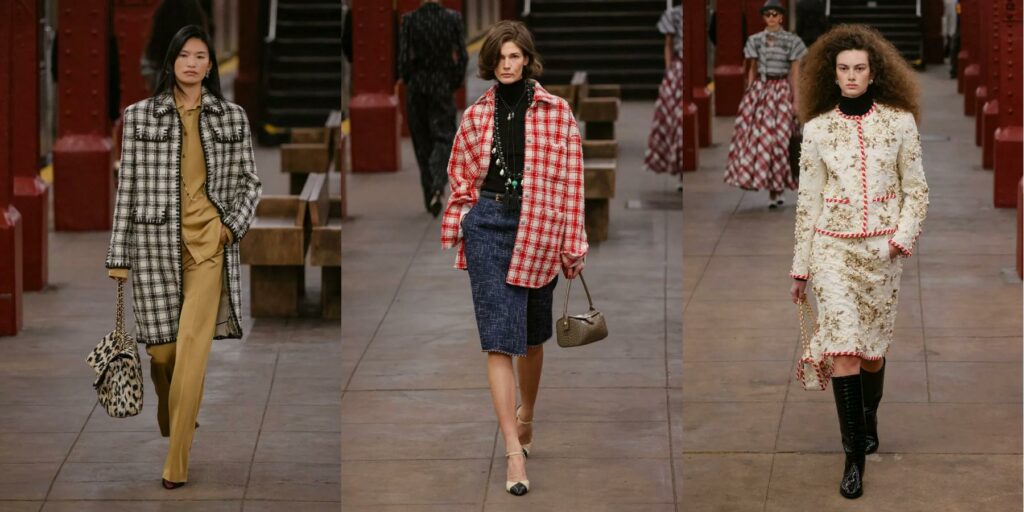
In summary: Chanel’s Métiers d’Art 2026 show transformed a subway station into a couture stage, celebrating craftsmanship while embracing urban energy. Matthieu Blazy’s debut collection for the line was a poetic, whimsical, and deeply symbolic tribute to both Chanel’s heritage and New York’s vibrant spirit.
Recommended1 recommendationPublished in Uncategorized