
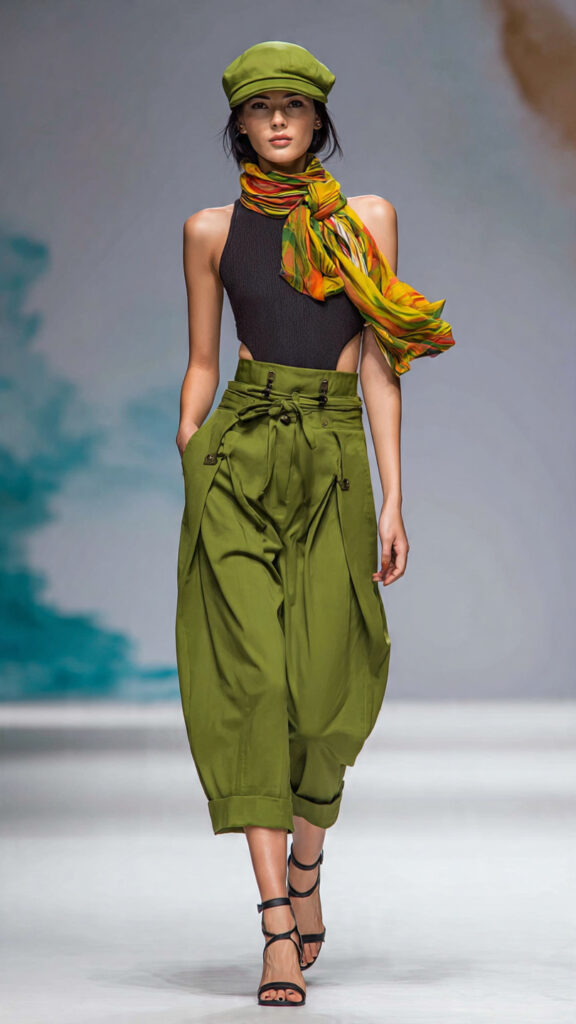
Capri pants have always lived in that interesting middle space. Not quite shorts, not quite full-length trousers. For decades, they’ve been loved, questioned, retired, revived, and reimagined. And yet, somehow, they keep coming back. To understand why, you really have to look at where they came from and how they’ve moved through culture over time.
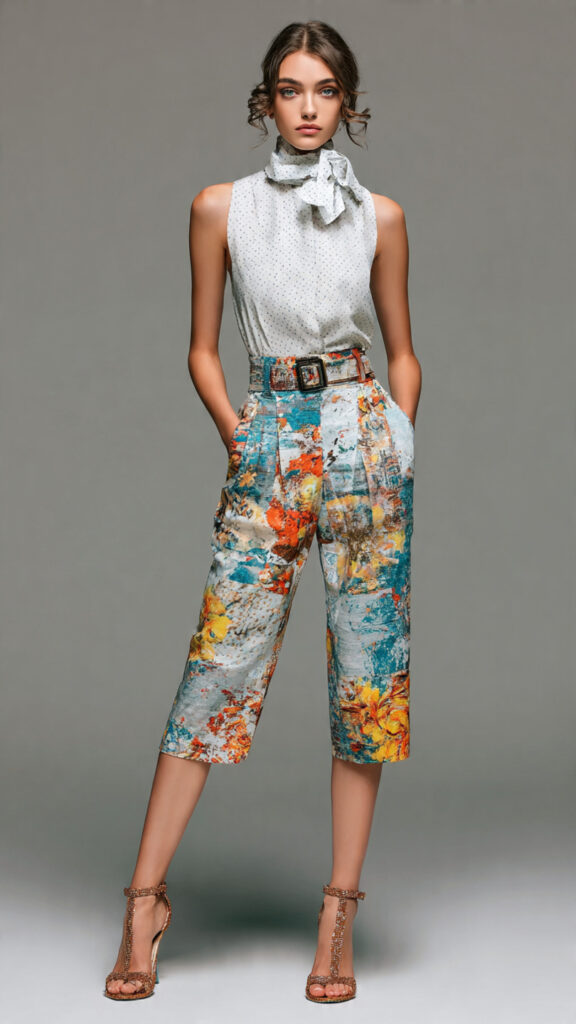
The story of capri pants begins in the late 1940s and early 1950s on the Italian island of Capri. Designer Sonja de Lennart is often credited with creating the style after noticing women rolling up their trousers while walking along the beach. The idea was simple but practical: pants that stopped mid-calf, allowing freedom of movement while still looking elegant. At the time, this was quietly rebellious. Women’s fashion was still dominated by long skirts and very structured silhouettes, so showing the lower leg—without committing to shorts—felt fresh and modern.
Capris truly entered the global spotlight in the 1950s, thanks largely to Hollywood. Audrey Hepburn wore them in Sabrina, pairing slim black capris with ballet flats and a simple top. That look became iconic almost overnight. Suddenly, capri pants were no longer just vacation wear; they were chic. Marilyn Monroe, Brigitte Bardot, and Grace Kelly all helped cement capris as a symbol of relaxed glamour. They were fitted, cropped, and unapologetically feminine, which felt empowering in its own quiet way.
By the 1960s, capri pants were everywhere. They fit perfectly into the era’s shift toward youth culture and practicality. Women were working more, moving more, and demanding clothes that kept up. Capris were easy, wearable, and versatile. They showed up in bold colors, playful prints, and stretch fabrics that felt modern for the time. But fashion is cyclical, and by the 1970s and 1980s, capris slowly faded into the background as flared pants, wide legs, and full-length silhouettes took over.
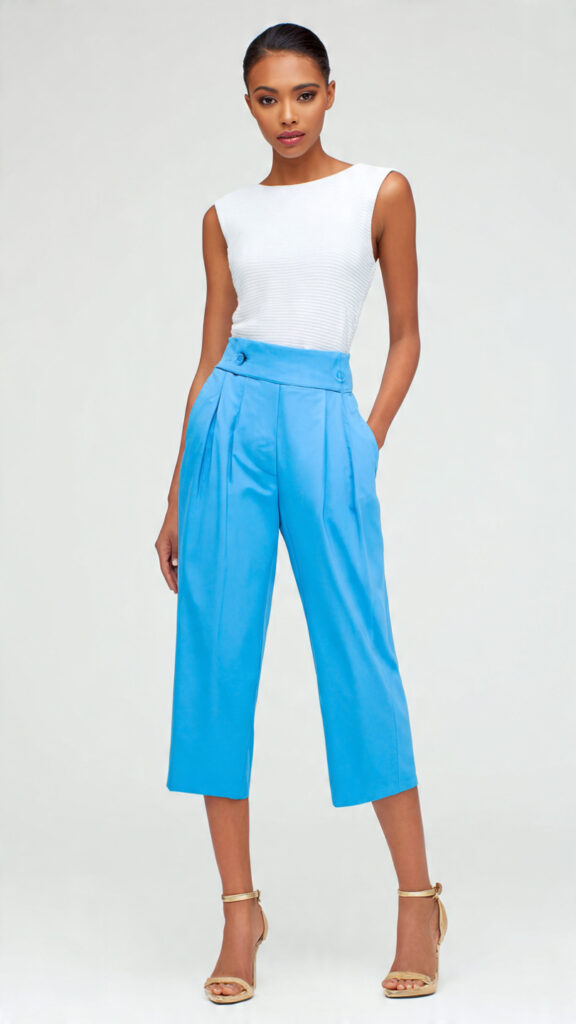
Then came the 1990s and early 2000s—and capri pants made a very different comeback. This era leaned into casual wear, denim, and body-hugging cuts. Capri pants were often paired with logo tees, platform sandals, and low-rise waistlines. They were practical, yes, but also very trend-driven. For some, this version of capris left a mixed impression, and by the late 2000s, they were again pushed aside in favor of skinny jeans and leggings.
In recent years, though, capri pants have started to reappear in a more thoughtful way. Today’s capris are less about squeezing into a trend and more about balance and proportion. Designers are experimenting with looser cuts, tailored fabrics, and higher waistlines. You’ll see them styled with oversized blazers, minimalist sandals, or sleek knit tops. There’s a nod to their vintage roots, but with a modern sensibility that feels intentional rather than nostalgic.
What makes capri pants interesting is their persistence. They never fully disappear. They just wait for the right moment to come back, slightly changed. Maybe that’s their charm. They’re practical without being boring, stylish without trying too hard. And in a world where fashion keeps speeding up, capris feel oddly grounded—like a reminder that good ideas don’t need to shout to be remembered.
Recommend0 recommendationsPublished in Uncategorized