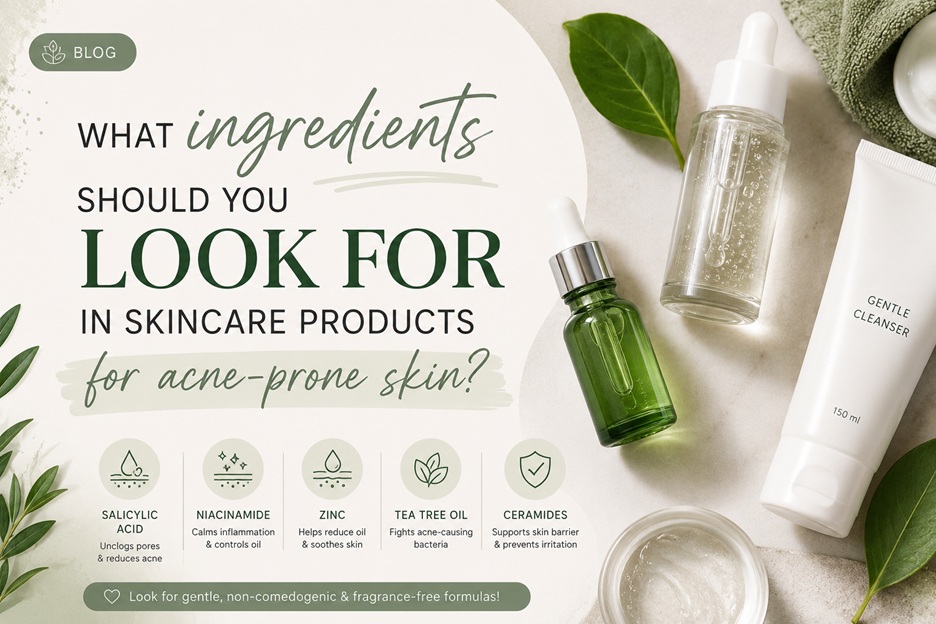
Acne-prone skin requires products that target excess oil, clogged pores, inflammation, and acne-causing bacteria without damaging the skin barrier. For people with moderate to severe acne, a dermatologist may prescribe isotretinoin 40 mg, an oral medication that works differently from topical skincare products by reducing oil production and preventing new breakouts. While isotretinoin can be highly effective for severe acne, most people with mild to moderate acne benefit from a consistent skincare routine that includes ingredients proven to support clearer skin. Choosing the right ingredients and avoiding harsh or pore-clogging skincare products can make a significant difference in managing acne and maintaining healthy skin.
Why Is Choosing the Right Skincare Ingredients Important for Acne-Prone Skin?
Not every skincare product is suitable for acne-prone skin.
Some ingredients help:
Unclog pores
Control excess oil
Reduce inflammation
Prevent future breakouts
Improve skin texture
Others may:
Block pores
Cause irritation
Trigger excess oil production
Damage the skin barrier
Reading ingredient labels helps you select products that work with your skin instead of against it.
Which Ingredients Are Most Effective for Acne-Prone Skin?
Several ingredients have strong scientific evidence supporting their use for acne management.
These include:
Salicylic acid
Benzoyl peroxide
Niacinamide
Retinoids
Azelaic acid
Adapalene
Hyaluronic acid
Ceramides
Each ingredient works differently and addresses specific acne concerns.
How Does Salicylic Acid Help Treat Acne?
Salicylic acid is one of the most widely recommended ingredients for oily and acne-prone skin.
It helps by:
Penetrating oily pores
Dissolving excess sebum
Removing dead skin cells
Preventing blackheads
Reducing whiteheads
Because it is oil-soluble, salicylic acid can clean inside the pores more effectively than many other exfoliating ingredients.
It is especially useful for:
Oily skin
Mild acne
Congested pores
Blackheads
Why Is Benzoyl Peroxide Commonly Recommended?
Benzoyl peroxide helps reduce the bacteria involved in acne development.
Benefits include:
Decreases acne-causing bacteria
Reduces inflammation
Helps shrink inflamed pimples
Prevents new breakouts
Lower concentrations (2.5%–5%) often work as well as higher strengths while causing less irritation.
Can Niacinamide Improve Acne-Prone Skin?
Yes.
Niacinamide is a gentle ingredient suitable for many skin types.
It may help:
Reduce redness
Control oil production
Calm inflammation
Strengthen the skin barrier
Improve uneven skin tone
Unlike stronger acne treatments, niacinamide is usually well tolerated and works well alongside other active ingredients.
How Do Retinoids Help Prevent Acne?
Retinoids increase skin cell turnover and help prevent clogged pores.
Common topical retinoids include:
Adapalene
Tretinoin
Tazarotene
Benefits include:
Preventing blackheads
Reducing whiteheads
Improving skin texture
Minimizing post-acne marks
Supporting collagen production
Because retinoids may initially cause dryness or peeling, they should be introduced gradually.
Is Azelaic Acid Good for Sensitive Acne-Prone Skin?
Yes.
Azelaic acid is often recommended for people who experience both acne and sensitive skin.
It can help:
Reduce acne bacteria
Calm redness
Fade post-acne pigmentation
Reduce inflammation
Improve skin tone
Many dermatologists recommend it for people with acne and rosacea.
Which Ingredients Help Repair the Skin Barrier?
Many acne treatments can dry the skin.
Barrier-supporting ingredients include:
Hyaluronic Acid
Helps:
Attract moisture
Reduce dryness
Improve hydration
Ceramides
Help:
Repair the skin barrier
Lock in moisture
Reduce irritation
Healthy skin heals more efficiently and tolerates acne treatments better.
Which Ingredients Should You Avoid If You Have Acne-Prone Skin?
Some ingredients may worsen acne in certain people.
Potentially problematic ingredients include:
Heavy mineral oils (for some skin types)
Coconut oil
Thick waxes
Highly fragranced products
Alcohol-based toners
Harsh physical scrubs
These products may clog pores or increase irritation.
Always choose products labeled:
Non-comedogenic
Oil-free (when appropriate)
Fragrance-free (if sensitive)
How Do Popular Acne Ingredients Compare?
Ingredient Main Benefit Best For
Salicylic acid Clears clogged pores Blackheads and oily skin
Benzoyl peroxide reduces acne bacteria and inflamed pimples
Niacinamide Controls oil and redness Sensitive skin
Retinoids Prevent clogged pores Moderate acne
Azelaic acid reduces redness and pigmentation in sensitive or combination skin
Hyaluronic acid Hydrates skin Dryness from acne treatments
Ceramides Repairs skin barrier Irritated skin
Using the right combination depends on your skin type and acne severity.
How Should You Build a Simple Acne Skincare Routine?
A basic routine often includes:
Morning
Gentle cleanser
Niacinamide serum (optional)
Lightweight moisturizer
Broad-spectrum sunscreen (SPF 30 or higher)
Evening
Gentle cleanser
Acne treatment (such as salicylic acid or a retinoid)
Moisturizer
Keeping your routine simple reduces the risk of irritation.
Can Using Too Many Active Ingredients Make Acne Worse?
Yes.
Layering multiple strong treatments together may cause:
Redness
Burning
Peeling
Dryness
Increased sensitivity
Examples include combining:
Retinoids + benzoyl peroxide
Multiple exfoliating acids
Strong scrubs with chemical exfoliants
Introduce one active ingredient at a time and monitor how your skin responds.
How Long Does It Take Acne Ingredients to Show Results?
Patience is essential.
Typical timelines include:
Salicylic acid: 2–6 weeks
Benzoyl peroxide: 4–8 weeks
Niacinamide: 4–8 weeks
Retinoids: 8–12 weeks
Azelaic acid: 6–12 weeks
Stopping products too early is one of the most common reasons people fail to see improvement.
When Should You See a Dermatologist?
Professional evaluation is recommended if:
Acne leaves scars.
Over-the-counter products are ineffective.
Painful cysts develop.
Breakouts become severe.
Acne affects your confidence and mental health.
Prescription medications or combination therapies may provide better results.
Buying Guide: What Should You Look for When Choosing Acne Skincare Products?
Before purchasing acne skincare products, consider these tips:
Choose products labeled non-comedogenic and oil-free if you have oily or acne-prone skin.
Look for clinically supported ingredients such as salicylic acid, niacinamide, benzoyl peroxide, or azelaic acid based on your skin’s needs.
Avoid buying products with unnecessary fragrances or harsh alcohols if your skin is sensitive.
Start with one active ingredient rather than multiple strong treatments at once.
Purchase skincare products from trusted retailers or licensed pharmacies to reduce the risk of counterfeit or expired items.
Selecting products that match your skin type and acne severity can improve results while minimizing irritation.
FAQs
Which ingredient is best for unclogging pores?
Salicylic acid is one of the most effective ingredients for dissolving excess oil and removing dead skin cells from inside the pores.
Is benzoyl peroxide better than salicylic acid?
They work differently. Benzoyl peroxide targets acne-causing bacteria, while salicylic acid focuses on unclogging pores. The best choice depends on the type of acne.
Can people with sensitive skin use retinoids?
Yes, but they should start with a lower strength or use the product only a few nights each week to reduce irritation.
Should acne-prone skin use moisturizer?
Yes. A lightweight, non-comedogenic moisturizer helps maintain the skin barrier and reduces dryness caused by acne treatments.
How do I know if a product will clog my pores?
Choose products labeled non-comedogenic, as they are formulated to minimize the risk of pore blockage.
Can I combine multiple acne treatments?
Some combinations are safe, while others may increase irritation. If you’re unsure, consult a dermatologist before layering active ingredients.
When should I consider prescription acne treatment?
If acne is severe, causes scarring, or does not improve after several weeks of consistent skincare, a healthcare provider or dermatologist can recommend prescription options.
Recommend0 recommendationsPublished in Uncategorized