
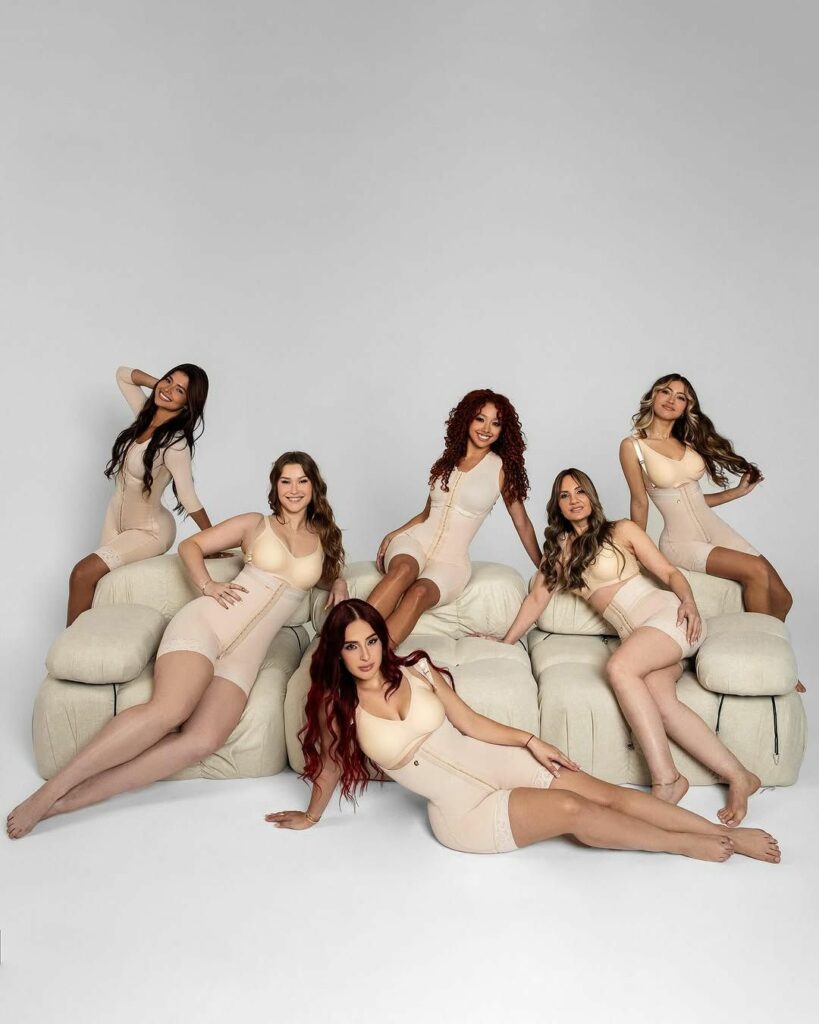
The shapewear may become a confidence-booster or a nightmare of comfort, depending on the way and time of wearing. It is the one that many women reach without thinking, even in cases where they do not need it. The thing is that shapewear is best done not as an everyday practice but as a purpose.
This guide will tell you when shapewear will actually enhance your outfit, when it would be better to forgo it, and help you make smarter decisions when it comes to dressing so that you can feel comfortable and confident.
When Shapewear Makes Sense
Body-Hugging Outfits or Underfitted
Underfitted, or body-hugging outfits, are garments that are loosely fitted at the waist, hips, and shoulders. Underfitted or Body-Hugging Outfits Body-hugging outfits or underfitted are garments that fit loosely at the waist, hips, and shoulders.
Shapewear is also most helpful when your garments are very close to the shape of your body. Consider bodycon dresses, pencil skirts, or customized trousers.
It helps by:
Smoothing visible lines
Assist in making fabric more comfortable on the body.
Developing a cleaner profile.
Shapewear in such instances acts as a foundation by which the outfit is structured.
For Special Occasions
Weddings, parties, formal dinners, or events that involve a considerable amount of photographs are occasions in which the shapewear can come in handy.
It works well because:
Dresses tend to be more organized.
You are only wearing them selectively.
You desire clothes to be in shape.
This normally requires medium compression. Overdoing it can backfire.
In the Lightweight or Clingy Fabrics.
Everything is visible in silk, satin, Jersey, and thin fabrics. Smooth shapewear assists in the form of these fabrics falling into place.
This will particularly be helpful in:
Slip dresses
Satin skirts
Fitted tops in light fabrics
In this instance, shapewear is not about shaping; it is about smoothing.
When You Want Extra Support
A few shapewear items have got light core or support, which may be comfortable under fitted garments or on occasion, long-lasting days.
When applied properly, it might serve to make it stable without being uncomfortable.
When You Should Pass on Shapewear.
And with Relaxed or Loose Clothing.
Shapewear does not work well with flowy dresses, oversized fits, wide-leg pants, and relaxed shapes.
There’s usually:
No visible difference
Added discomfort
No real styling payoff
When You Don’t Need It, Everyday Wear.
Not having to wear shapewear every day is not a part of modern fashion.
Why skip it:
Comfort matters more in 2026
Natural shapes of clothes are designed in many.
Ordinary underwear usually suffices well.
Shapewear will not be a compulsory requirement.
During Hot weather or an active situation.
Compression shapewear is constrictive and restrictive.
Avoid it when:
It’s very hot
You’ll be walking a lot
You need breathability
Comfort will be more attractive than pain.
When It Makes You feel Self-Conscious.
When you are always dealing with, tugging, or contemplating your shapewear, you are not doing the right thing.
Shapewear must not poke out at the bottom of your clothes, and it must not be a bother all day.
The Decision-Making Before You Get Dressed.
Ask three simple questions:
Is my clothing close-fitting or clingy?
Does shapewear make this garment fit better?
Is it comfortable to use during long periods of time?
When you do not find the answer to all three to be yes, then you are likely not in need of it.
The Confidence Perspective
Shapewear is not supposed to transform your body. It should go with an outfit to its rescue. Confidence comes naturally when one feels comfortable first, and that is what, in fact, makes a look appear raised.
Final Thought
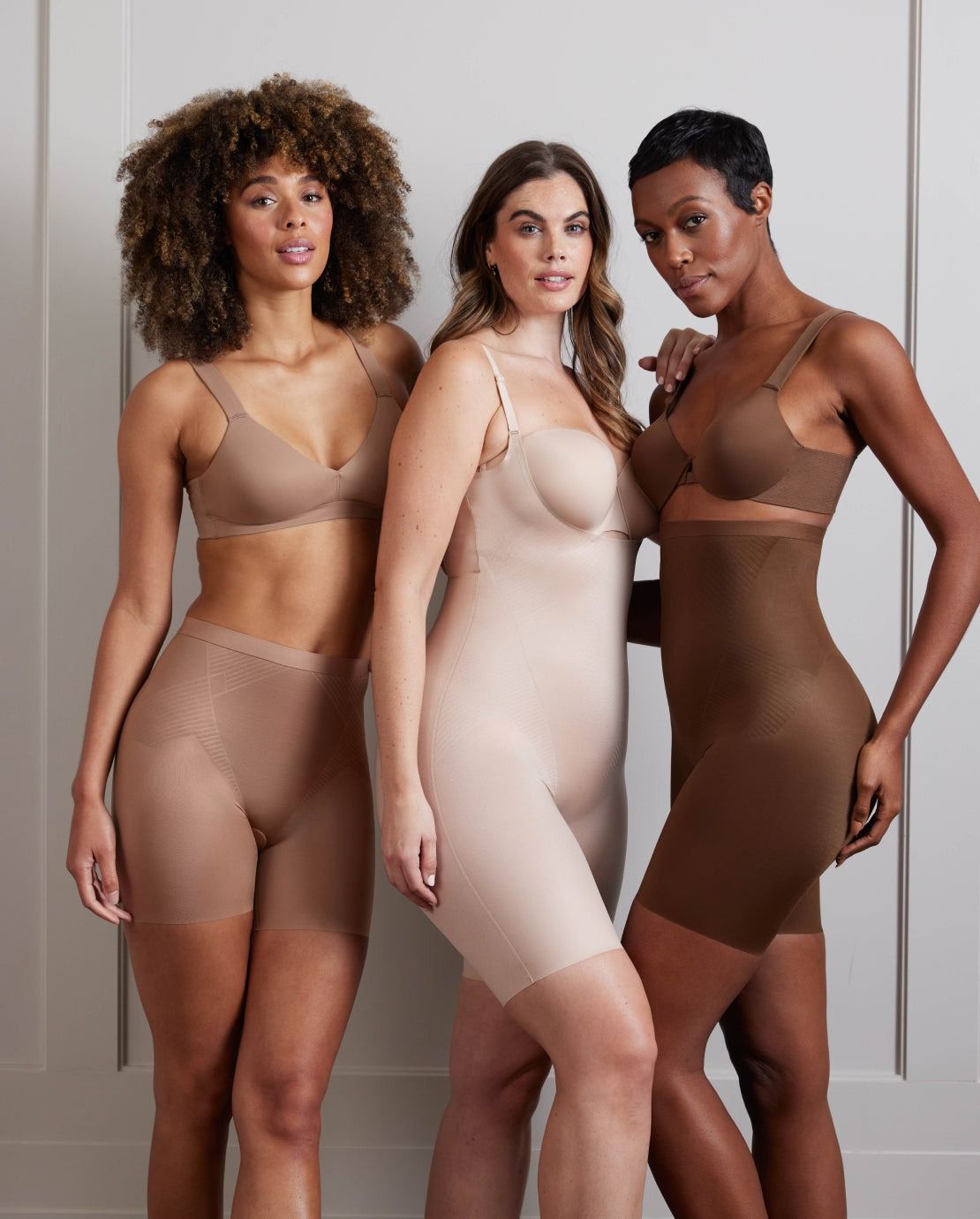
Shapewear is best when unintentional. Wear it when it complements the outfit, leave it when it does not, and never wear it where you feel like wearing it because you feel you should have.
Fashion is not about limitation; it is all about what fits you and makes you feel good in it.
Recommend0 recommendationsPublished in Uncategorized
