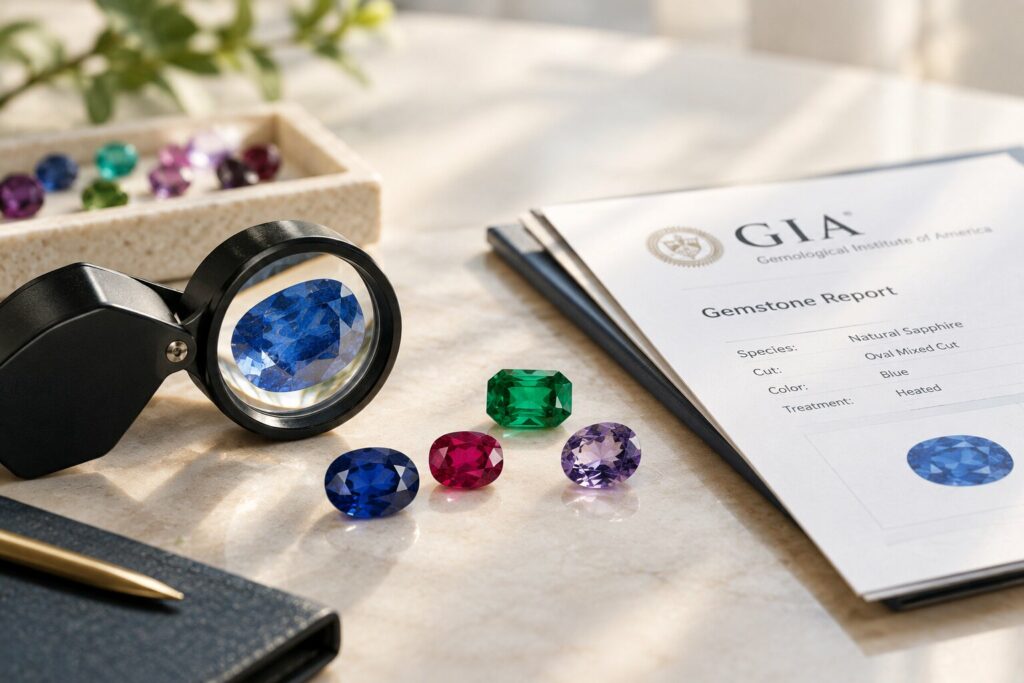
In gemstone purchasing, most buyers still base their choices on the traditional grading systems – and it’s easy to see why. When you shop for a sapphire, ruby, or emerald, looking for a certificate or grade like “AAA” gives you instant confidence in your deal. It feels safe, like a reliable guarantee that you are paying for the real quality.
But colored stones belong to a completely different world. Unlike diamonds, colored stone grading is largely unstandardized and subjective – a grade can mean vastly different things depending on who is selling them. That’s why, instead of relying blindly on arbitrary commercial gemstone grading, here is what you should actually follow before spending your money.
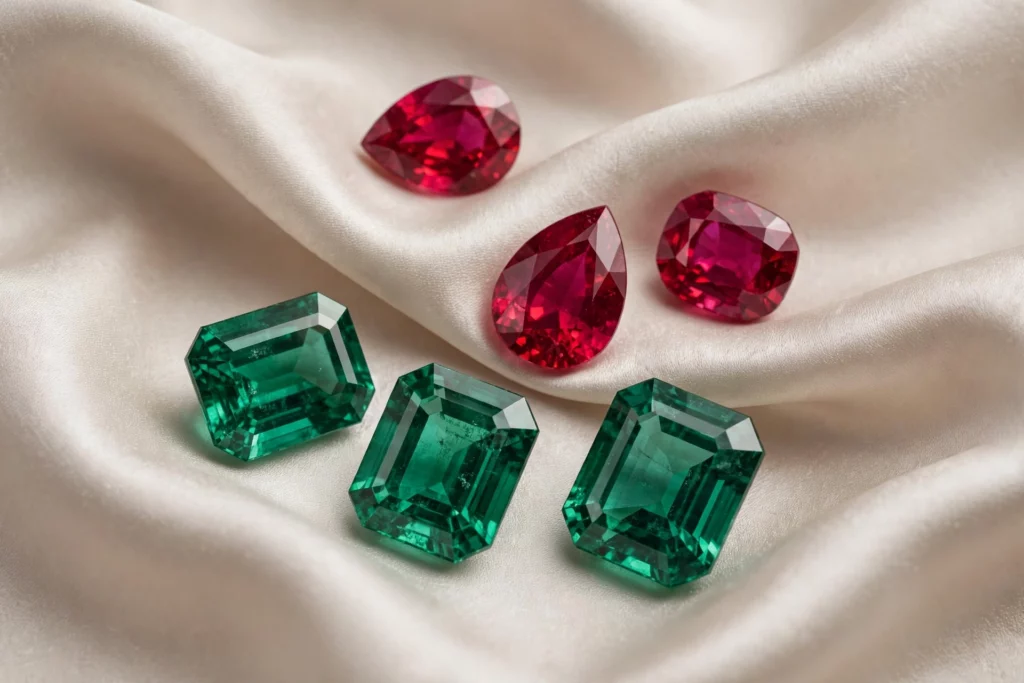
Six Reasons Gemstone Grading is Less Reliable Than It Looks
There Are No Official “Universal Rules” for Colored Gems
Unlike diamonds, whose grading system is standard across the globe, colored gems like sapphires, rubies, and emeralds don’t have a single governing body setting the rules. Instead, many sellers use letter tags to group their inventory:
- AAA means the top pick, featuring rich color and having very few visible marks.
- AA means a gem containing good color with a few natural inclusions if you look closely.
- A means a gem that possesses commercial quality, usually with lighter color or obvious natural marks.
The catch is that these letter tags are made up by individual sellers, not by any professional labs or independent experts. So, what one seller calls an “AAA sapphire,” another jeweler might find it as an “A” or “AA” stone.
Human Visual Judgement Plays a Massive Role
Grading colored gems isn’t about counting flaws under a microscope. Rather, it comes down to human eyesight and optical judgement. In colored gemstones, color (hue, tone, and saturation) is the primary driving force of value – and human perception of color varies. A sapphire can look glowing and brilliant to one person, while another might find it moderate or slightly dull.
Environmental Lighting Alters Gem Appearance
Colored gems are optical shapeshifters that tend to react heavily to their surroundings. A stone evaluated and graded under calibrated, daylight-balanced lab lighting will look completely different in real-world settings.
A gem’s tone and saturation can shift dramatically under different light sources – such as warm indoor lamps, direct midday sun, or fluorescent office overheads. A sapphire graded as “vivid blue” in studio setup conditions may look dark, murky, or washed out under ordinary home lighting.
Misleading Gemstone Clarity Terms
It is common to see retailers apply the same clarity codes as diamonds – such as VVS, which means very very slightly included, or VS, which means very slightly included – to colored gemstones. However, borrowing these metrics creates false expectations of gemstone quality.
Where a VVS diamond is nearly flawless under magnification, a VVS sapphire or ruby is evaluated on an entirely separate, more lenient scale depending on its type, which often confuses everyday buyers.
Internal “Flaws” Can Actually Increase Value
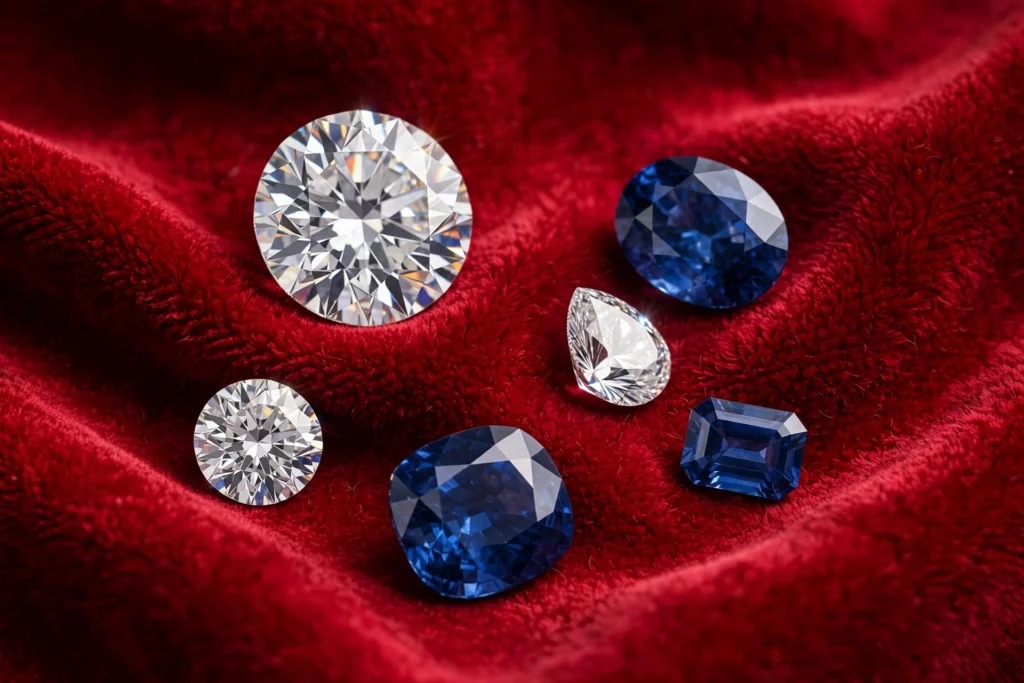
The belief that internal inclusions always lower a gem’s grade may hold true in the diamond world, but it falls apart in the colored gemstones universe. Rather, certain inclusions are actually considered a symbol of genuineness and make a stone more desirable and valuable. In colored gemstones, inclusions are often expected depending on the species. For instance, emeralds naturally contain internal features called jardin, which are highly accepted and desirable among collectors. Basic letter-grading scales often fail to account for these species differences, penalizing gems for natural characteristics.
Hidden Treatments and Processing
Treatments have become very common and widely accepted in the gemstone jewelry industry, with over 80% of colored gems undergoing post-mining enhancements. While standard heating or traditional colorless oiling practices are accepted, invasive treatments like lead-glass cavity filling or chemical diffusion can drastically lower a gem’s durability and resale value. Unfortunately, those generic letter grades rarely disclose these critical details on the surface.
What You Should Rely On Instead
Relying on sellers grading alone is not enough when buying natural certified gemstones online or offline. Here is what you should look for instead:
Independent Lab Reports: For significant, high quality colored gemstone purchases, always look for documentation from respected, accredited gemological institutions like GIA or AGL. Do not solely trust on a seller’s letter grade.
Inspect Treatment or Disclosure Details: As treatments are normalized for colored gemstones, full disclosure is critical to knowing what you are actually buying. Official lab reports clearly highlight these disclosures in the remarks section.
Verify the Certificate Online: Visit the official lab website and enter the report verification number to ensure the physical or digital document perfectly matches the laboratory’s online database.
Shop with Transparent Sellers: The safest way to protect yourself from fraud is to choose a reliable supplier that deals in genuine, authentic gemstones for sale and clearly explains their individual grading definitions upfront.
Final Takeaway
These commercial grading systems or generic gemstone certifications are just a way for buyers to find initial confidence in their selection. A letter grade on a tag can be a convenient starting point, but the true confidence comes from a verified laboratory documentation or having a seller whom you can trust blindly.
As a quick rule of thumb, treat a lab report as one piece of input. Your stone itself provides the clearest answers to all your questions – you just need to know how to inspect its inner body.
So, if you are looking for authentic, ethically sourced gems with transparent details, browse natural and certified gemstones at GemstonesForSale. Explore our fully disclosed, hand-inspected loose gemstones for your next custom jewelry design.
Recommend0 recommendationsPublished in Uncategorized