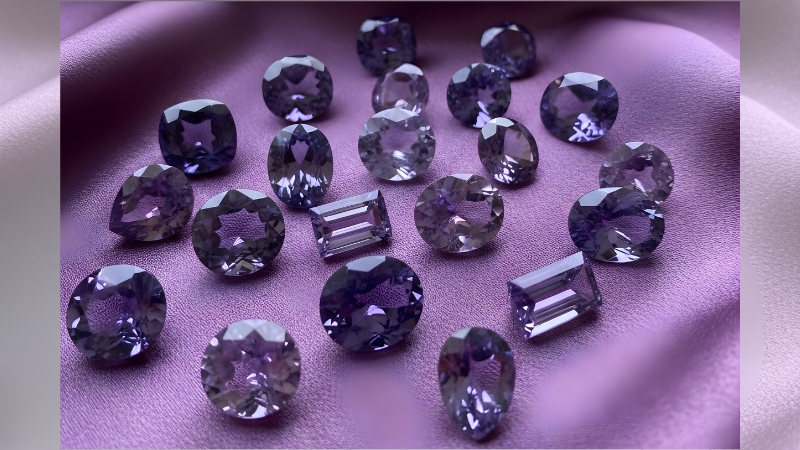
Ever seen a gemstone that makes you pause mid-scroll and think, wait… what color is that? That’s exactly the effect purple tanzanite has. It doesn’t scream for attention. Instead, it quietly pulls you in with its moody glow, rare charm, and almost mystical presence.
Most people know tanzanite for its blue or violet shades. But purple? That’s where things get interesting. This color doesn’t show up just because someone asked for it. Nature chooses it. And honestly, nature is very selective here.
So, why does this shade feel so exclusive? Why do collectors chase it, designers treasure it, and gem lovers treat it like a hidden secret? The answer goes deeper than beauty. It lives in geology, rarity, and a once-in-a-lifetime origin story.
Let’s uncover why purple tanzanite truly earns its crown as the rarest color in tanzanite and why owning one feels like holding a small miracle.
A One-Place-on-Earth Gem That Plays by Its Own Rules
Tanzanite comes from one single location on the entire planet, the Merelani Hills near Mount Kilimanjaro in Tanzania. That alone makes every tanzanite stone special. However, nature didn’t stop there.
The crystal chemistry needed to produce purple tanzanite requires a very specific balance of vanadium, temperature, and pressure. Even the slightest shift creates blue or violet instead. So, while miners uncover tons of rough, only a tiny fraction shows natural purple tones.
This rarity instantly sets purple tanzanite apart from other color variations.
Why Purple Is Naturally Scarcer Than Blue or Violet
Here’s the truth. Most tanzanite rough appears brownish before heating. Jewelers heat it carefully to reveal blue or violet hues. However, purple tanzanite does not respond the same way.
Purple tones emerge only when nature aligns perfectly. Heating the gem removes purple undertones instead of enhancing them. That’s why collectors value naturally occurring purple shades so highly. Nature decides this color, not treatment.
This scientific reality makes purple tanzanite genuinely rare, not artificially scarce.
The Color Shift Factor That Changes Everything
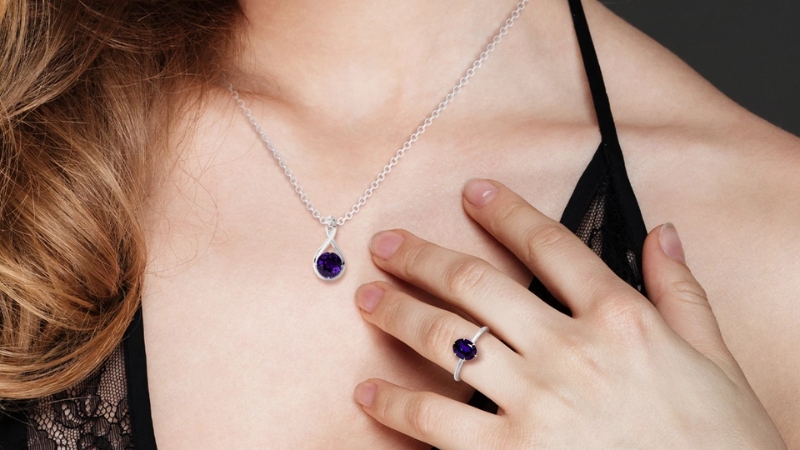
Tanzanite displays pleochroism, which means one tanzanite stone shows different colors from different angles. Purple versions display an even more dramatic shift, often revealing flashes of lavender, plum, and soft violet.
That visual complexity explains why designers love showcasing this color in tanzanite earrings, where light movement enhances its magic. The same effect makes a tanzanite necklace look richer and deeper compared to simpler blue stones.
This optical behavior contributes heavily to the rarity conversation around purple tanzanite.
Market Reality: Supply Is Shrinking Fast
Mining experts estimate that tanzanite reserves may deplete within a few decades. Since purple material already appears in extremely low quantities, availability drops even faster.
Serious collectors track purple tanzanite like limited-edition art. Jewelers rarely receive matching sets, which explains why symmetrical tanzanite earrings in this color command premium pricing.
Once mines close, prices will rise naturally. That’s simple supply and demand.
Why Collectors and Stylists Obsess Over This Shade
Unlike blue, purple feels emotional, expressive, and quietly luxurious. Fashion insiders choose purple tanzanite for statement jewelry because it blends elegance with individuality.
You’ll often see this shade featured in high-end tanzanite necklace designs or custom tanzanite pendant pieces meant to stand alone. The color doesn’t shout. It whispers confidence.
That subtle power keeps this gemstone trending without ever feeling overdone.
How Purple Tanzanite Compares to Other Colors
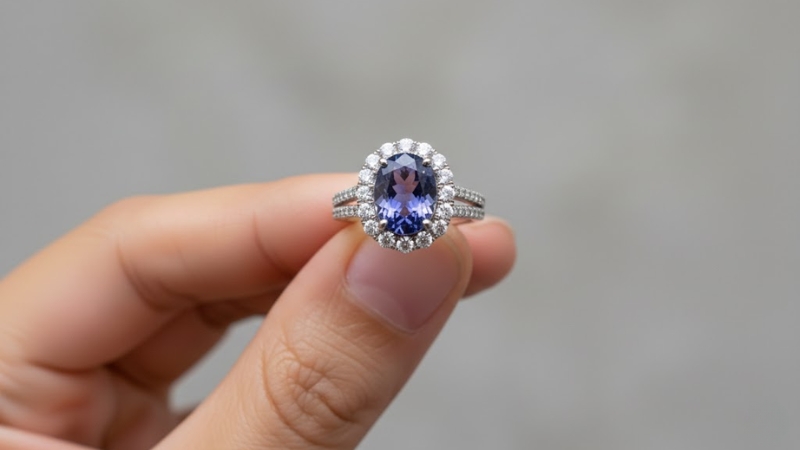
Blue tanzanite dominates the market. Violet follows closely behind. However, purple tanzanite sits at the top of the rarity pyramid.
Blue appears frequently after heating. Violet appears occasionally. Purple requires perfect natural conditions and minimal interference. That’s why gem labs classify it as exceptionally rare.
Every serious tanzanite stone grading report confirms this difference clearly.
Buying Advice From a Realistic Perspective
If you plan to invest in purple tanzanite, focus on authenticity and origin. Always verify natural color and treatment details. Trust retailers known for transparency and gemstone expertise.
Many buyers turn to established names like GemsNY because they curate responsibly sourced stones and educate customers honestly. People often mention their trust in GemsNY Reviews, especially when shopping for rare colors.
They also carry designs that gemstone NYC shoppers genuinely admire for craftsmanship and clarity.
The Graphics Team is to use proper citation for borrowed/third-party images
Best Jewelry Styles That Highlight Purple Tanzanite
Certain designs truly enhance this color:
• Tanzanite earrings with minimal metal allow light play
• A classic tanzanite necklace highlights depth and tone
• A solitaire tanzanite pendant creates timeless impact
Each design brings out the emotional richness that makes purple tanzanite unforgettable.
Caring for This Rare Tanzanite Beauty Properly
Tanzanite ranks softer than sapphire or diamond. Handle every tanzanite stone gently. Store pieces separately and avoid harsh chemicals. Clean using lukewarm water and a soft cloth only.
Protecting your purple tanzanite ensures it stays stunning for generations.
The Final Word: Rarity With Real Meaning
Purple tanzanite earns its title honestly. Nature limits its creation. Science confirms its scarcity. Collectors respect its uniqueness. Stylists love its quiet confidence.
If you crave a gemstone that feels rare, personal, and emotionally rich, purple tanzanite delivers something no other color can replicate. It doesn’t follow trends. It defines them.
And that’s exactly why this color remains the rarest of them all.
Recommend0 recommendationsPublished in Uncategorized